The recent musings from *Sailing Scuttlebutt* regarding sailing's persistent 'posh narrative' strike a chord with anyone who's spent a lifetime on the water. From the hallowed halls of yacht clubs to the grand prix circuit, we've long grappled with an image problem that, frankly, often feels out of step with the grit and grind of competitive sailing today.
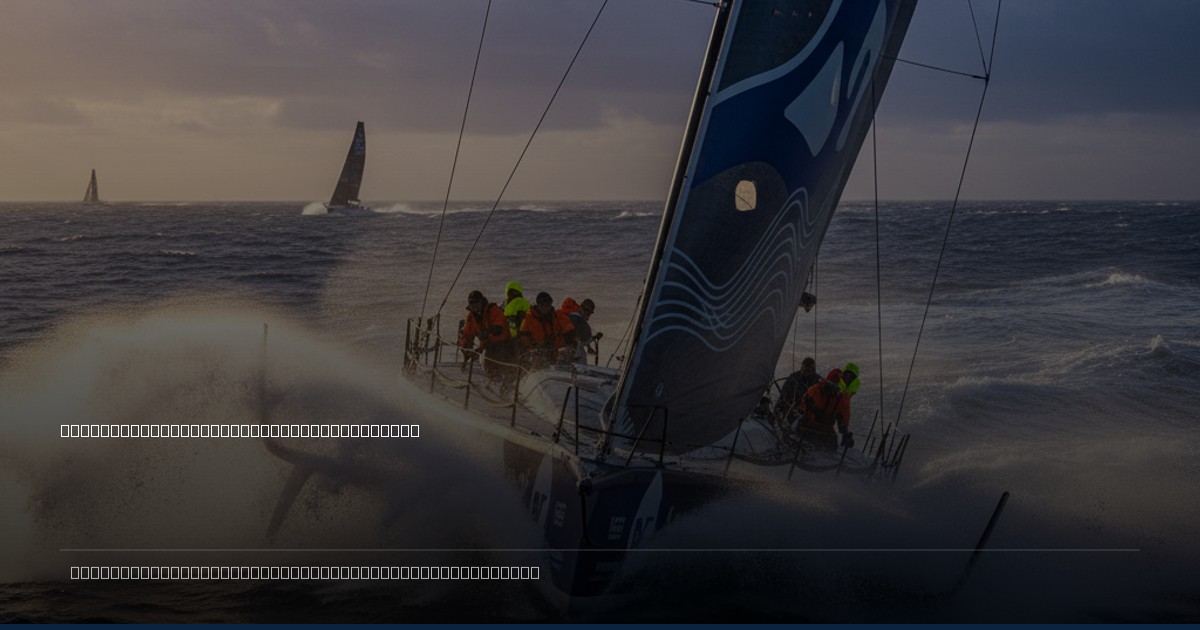
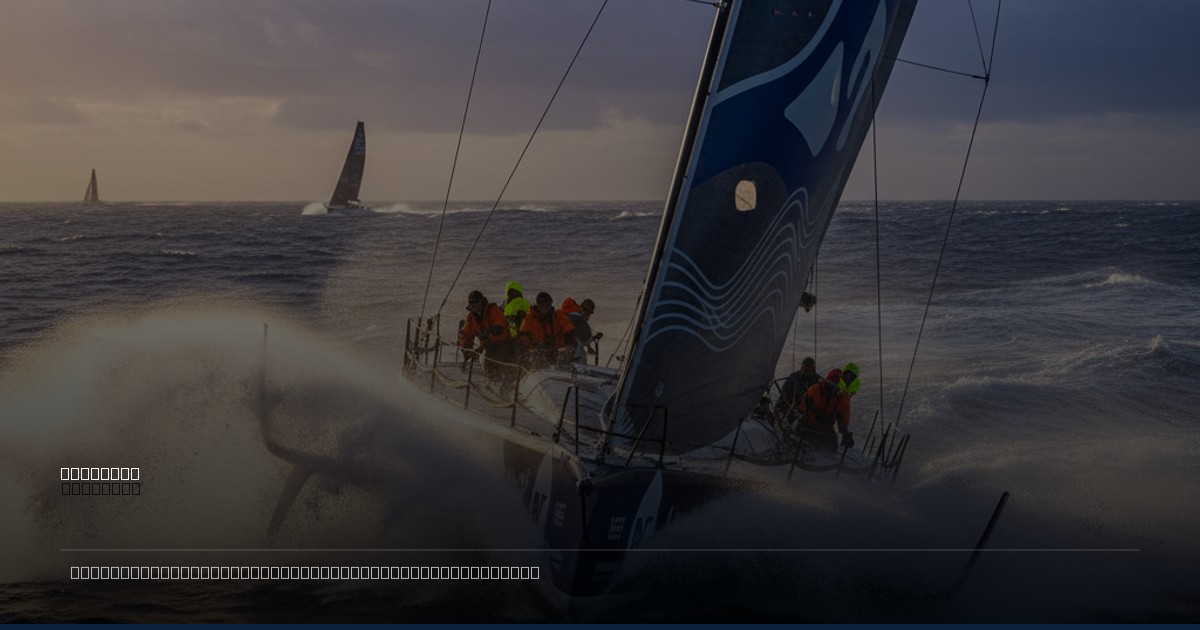
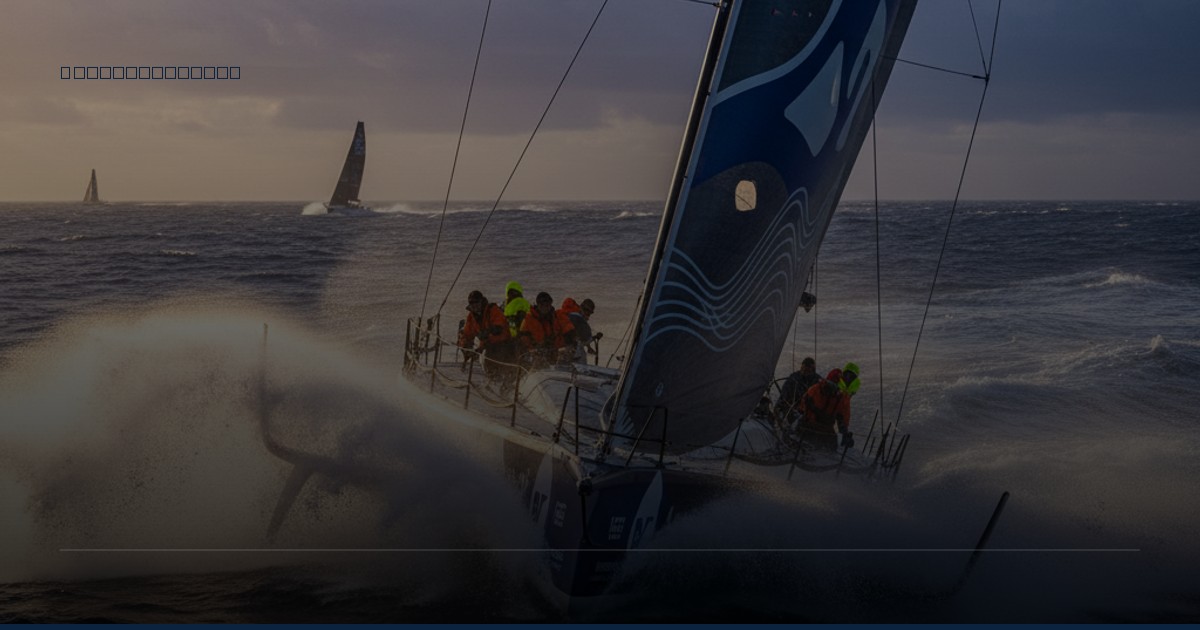
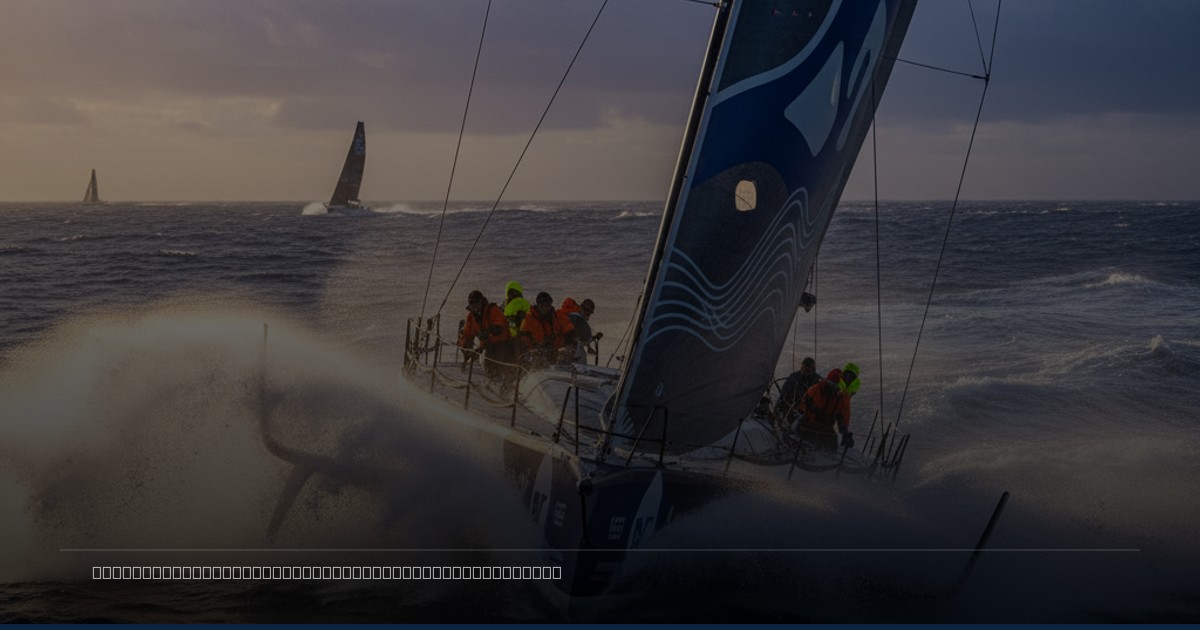
Indeed, the historical ties to wealth are undeniable. The America's Cup, for instance, has always been a billionaire's playground, a technological arms race funded by fortunes that dwarf national budgets. We've seen campaigns like Emirates Team New Zealand and INEOS Britannia pour hundreds of millions into R&D, pushing the envelope with hydrofoiling AC75s, wing sails, and bespoke Harken winch systems. This isn't a hobby; it's high-performance engineering at its most extreme, demanding the athleticism of an Olympic decathlete from sailors like Peter Burling and Ben Ainslie.
Yet, the perception lingers. The Olympic committee's decision to rebrand 'yachting' to 'sailing' for the Sydney 2000 Games was a telling nod to this very issue. While the sport has become more accessible with pathways like SailGP's F50 circuit, showcasing raw talent from diverse backgrounds, the prevailing media narrative often defaults to the 'champagne and caviar' stereotype. It's a disservice to the thousands of sailors, from dinghy racers to offshore navigators battling tidal gates and complex weather routing, who define this sport through skill, resilience, and an unwavering connection to the sea, not just their bank balance.