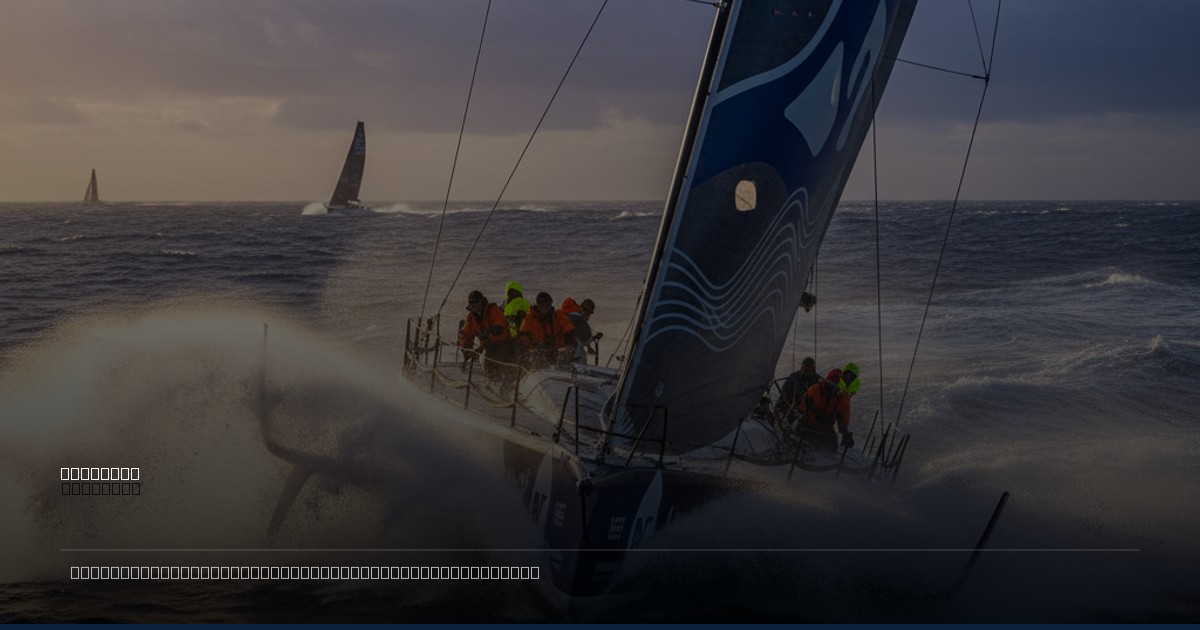
The International Maxi Association (IMA), founded in 1979, conjures images of a golden era – a time when IOR-maxis like *Kialoa*, *Boomerang*, and *Il Moro di Venezia* were the undisputed titans of offshore racing. These weren't just boats; they were engineering marvels of their day, pushing the boundaries of monohull performance and captivating a global audience. The names alone still resonate with a certain gravitas, a reminder of an age when raw power and meticulous design, often under the strictures of the IOR rule, defined the pinnacle of yacht racing.
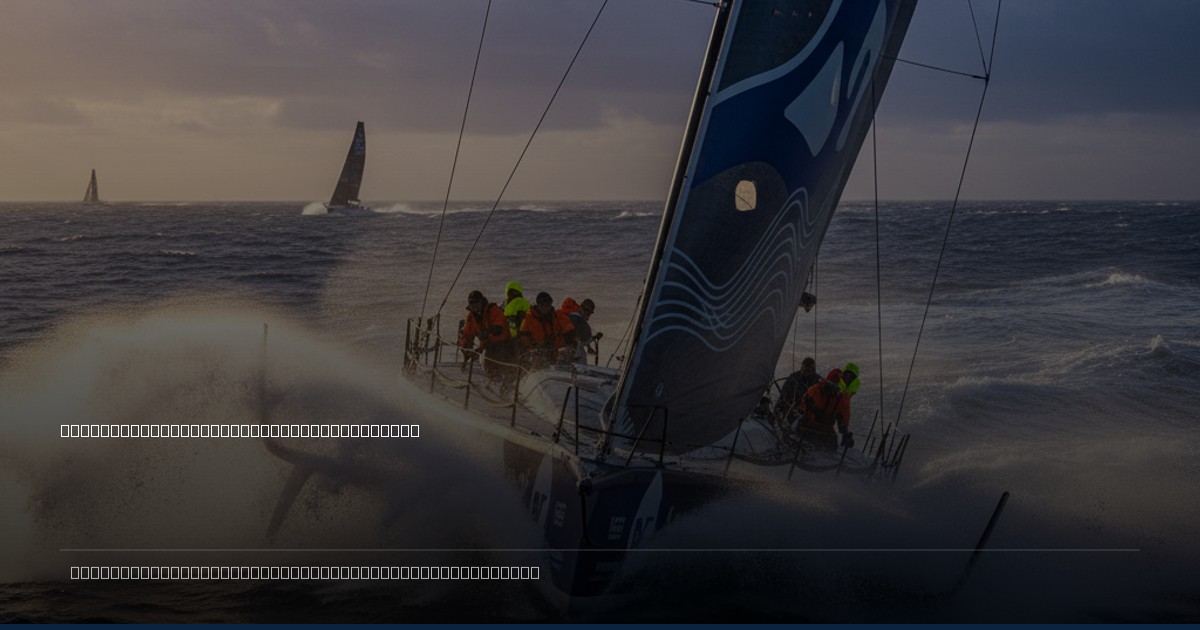
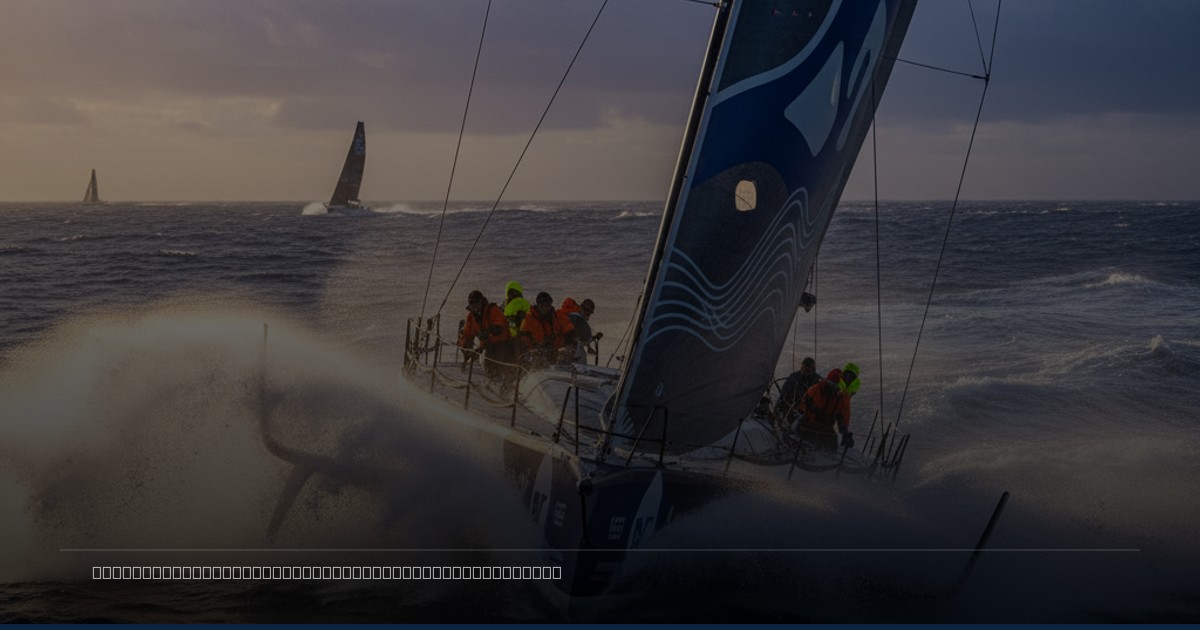
Fast forward to today, and the landscape of maxi yachting is undeniably different. While the spirit of competition remains fiercely intact, the technology has undergone a seismic shift. We're no longer just talking about deep keels and towering Southern Spars rigs. The conversation now includes canting keels, advanced hydrofoils, and sophisticated North Sails inventories that would have been unimaginable to the designers of the original maxis. The very definition of 'maxi' has expanded, embracing not just traditional monohulls but also high-performance multihulls, reflecting the broader evolution of the sport seen in SailGP and the America's Cup.
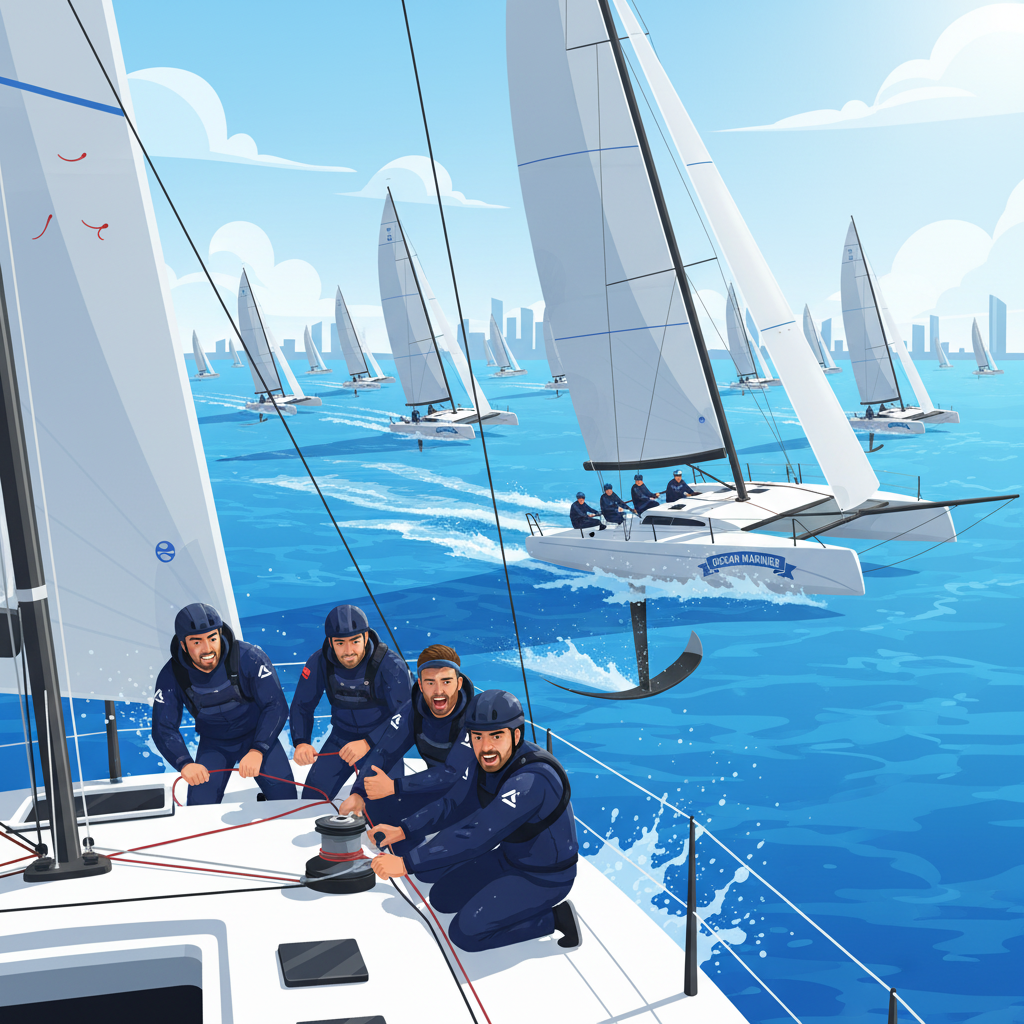
Yet, the IMA's enduring relevance lies in its ability to bridge this historical chasm. It’s not about discarding the legacy of those iconic IOR boats, but rather about fostering an environment where innovation thrives alongside tradition. The grand prix circuit, with its diverse fleet of modern maxis, demonstrates this perfectly. These aren't your parents' maxi boats, true, but they are direct descendants, carrying forward the relentless pursuit of speed and the unwavering passion for ocean racing that has defined the class for over four decades. The IMA ensures that whether you're admiring a meticulously restored classic or a cutting-edge carbon missile, the essence of maxi yachting – powerful, prestigious, and utterly compelling – remains undimmed.