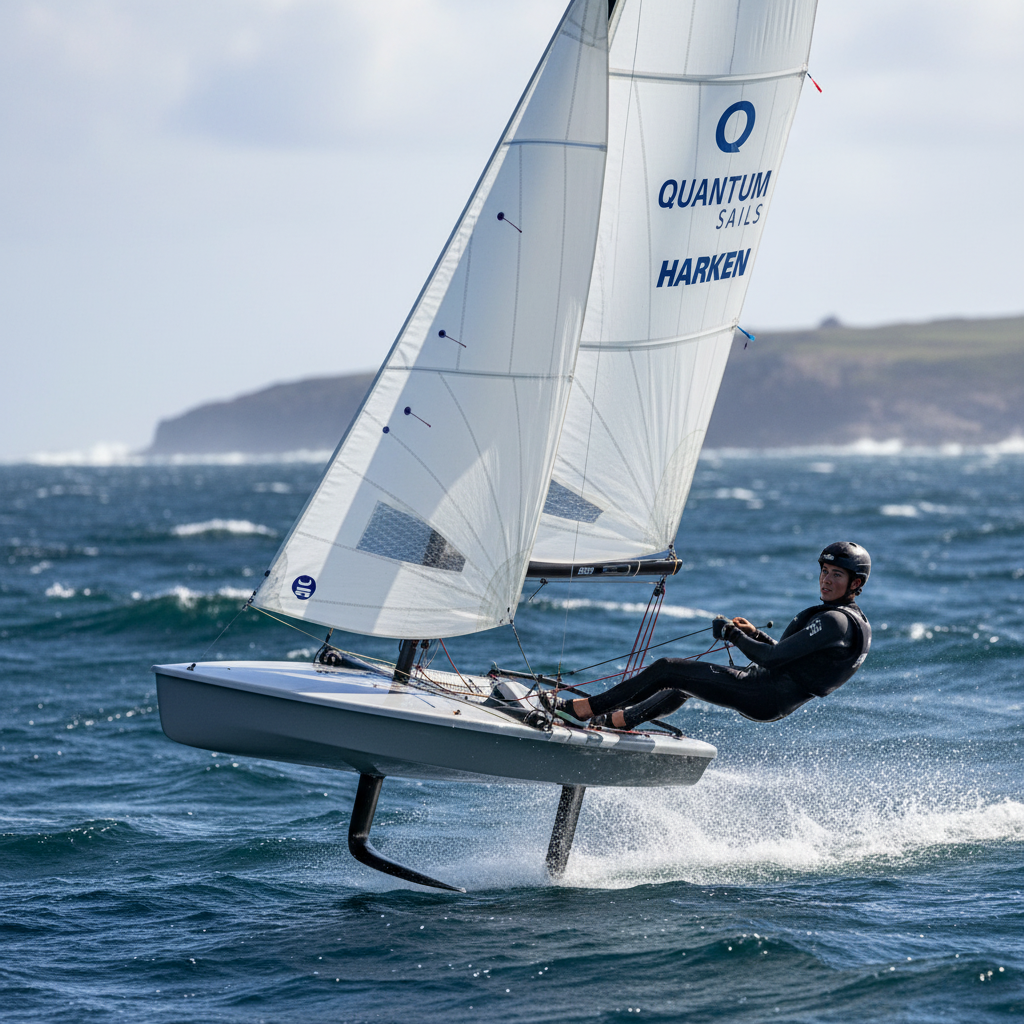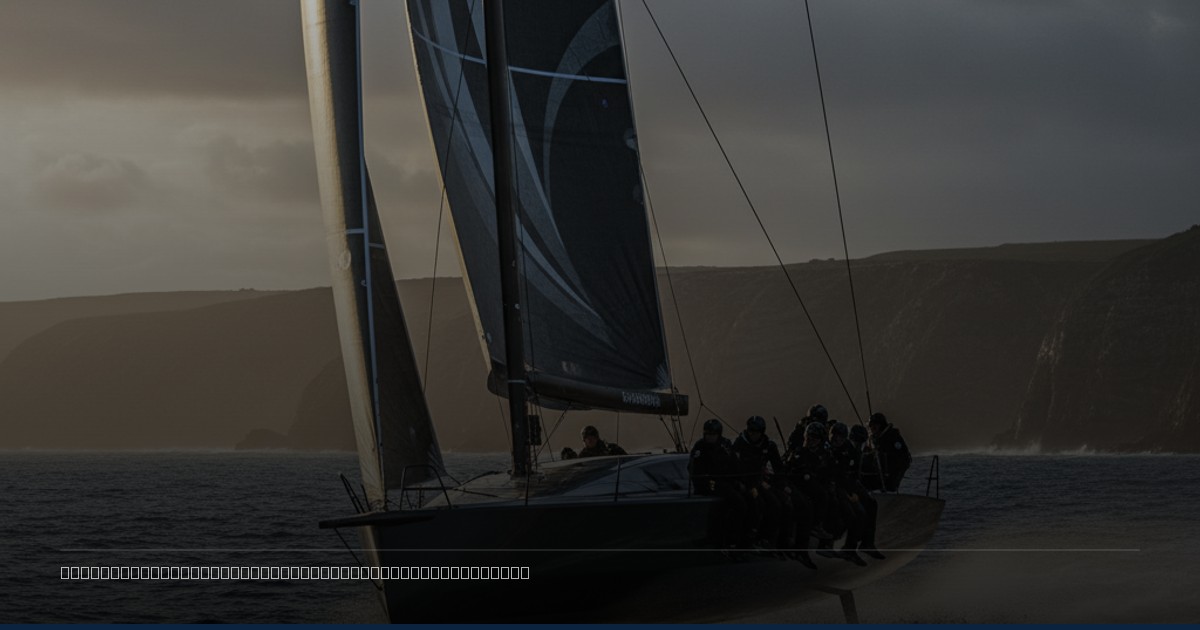
The perennial question of how to attract and retain the next generation of sailors echoes through yacht clubs and boardrooms, a topic Craig Leweck at Scuttlebutt astutely highlights. For too long, the conversation has been dominated by the allure of cutting-edge hardware – the latest North Sails 3Di, the finely tuned Harken deck gear, the optimized Southern Spars rig. Indeed, the technological arms race, particularly evident in the America's Cup and SailGP, is a powerful draw for some, showcasing the pinnacle of marine engineering and athletic prowess.
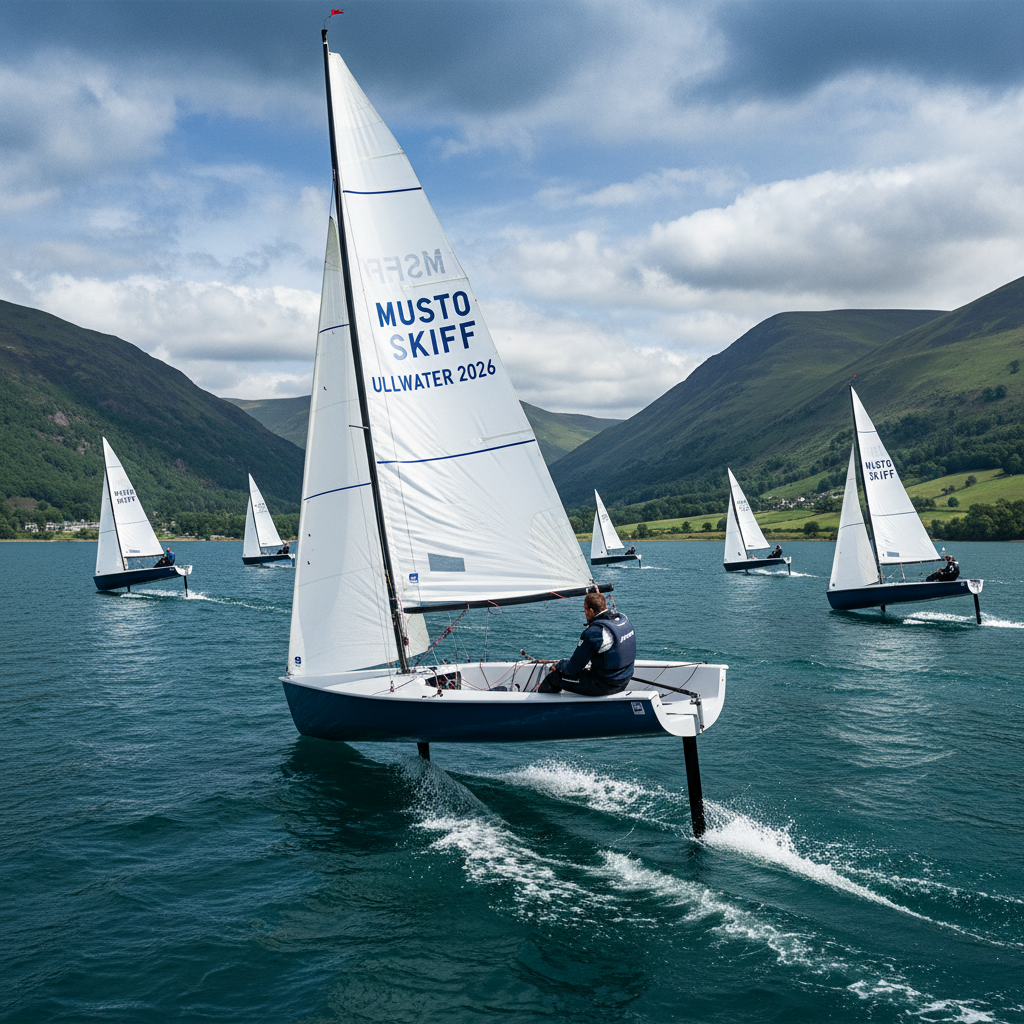
Yet, as any veteran of the grand prix circuit or even a seasoned club racer knows, the true magnetism of sailing extends far beyond the boat itself. It's the camaraderie in the pit lane at a SailGP event, the shared agony and ecstasy of a transatlantic crossing, the post-race debriefs with your crew. It's the community. Unlike basketball, where the rules and equipment are standardized, sailing offers a dizzying array of disciplines and classes. This diversity, while a strength, can also be a barrier if not framed within a welcoming and accessible social fabric.
Consider the multi-million dollar campaigns of Emirates Team New Zealand or INEOS Britannia. While their pursuit of speed is undeniable, their long-term sustainability, and indeed the health of the sport, hinges on inspiring the next Peter Burling or Ben Ainslie. This isn't solely about providing pathways to professional sailing; it's about making sailing a compelling lifestyle choice. It's about recognizing that a strong community, whether around a local dinghy fleet or a global offshore race, is a more potent attractor than any incremental gain in foil efficiency. The industry must shift its focus from merely selling equipment to cultivating connection, ensuring that the human element remains at the core of our sport's future.