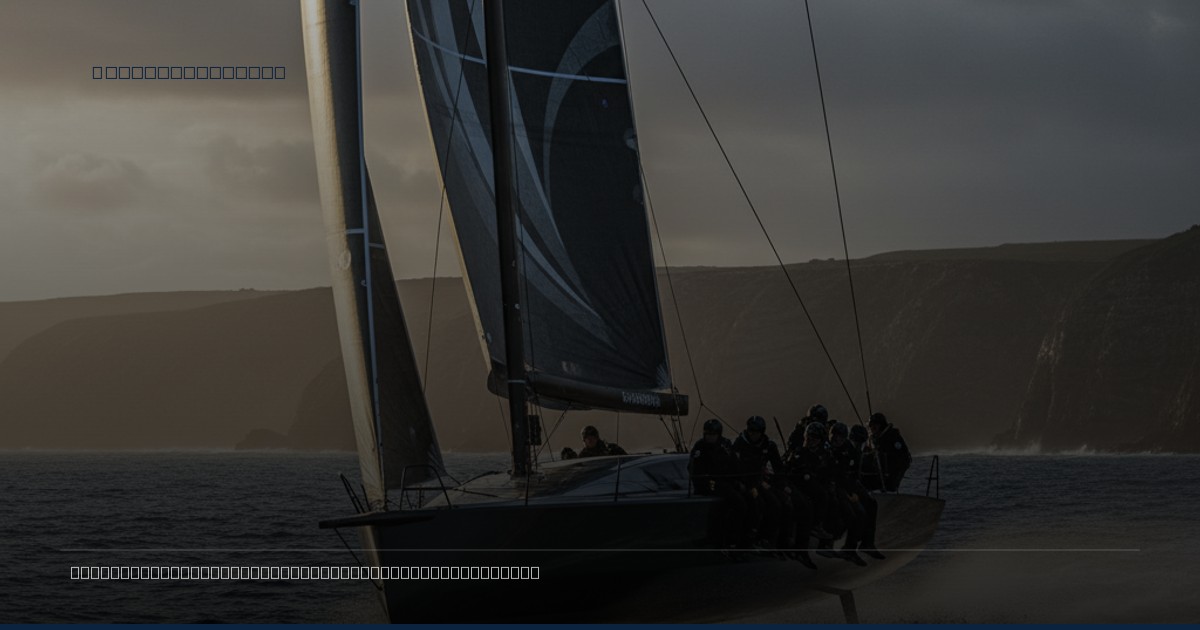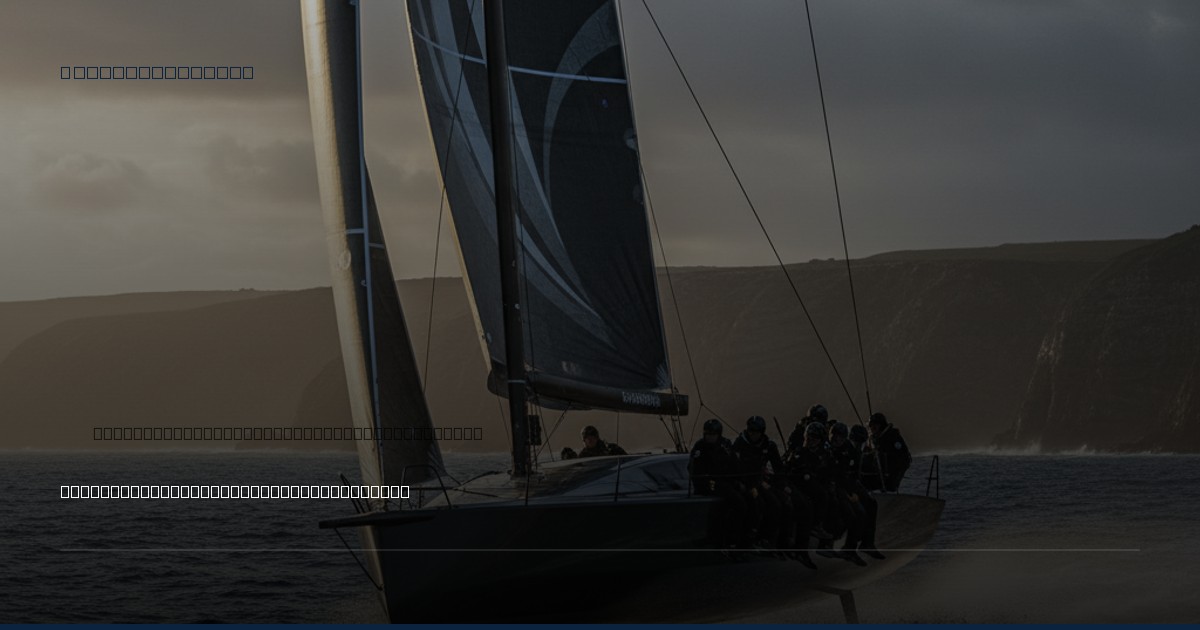
While the world of competitive sailing increasingly fixates on the blistering speeds and technological marvels of foiling catamarans and monohulls, a different kind of spectacle is brewing in Palma. The 30th anniversary of the Superyacht Cup Palma Richard Mille, come late June, will see two titans of classic yacht design, the J-Class yachts *Svea* and *Rainbow*, go head-to-head. This isn't just a race; it's a living testament to sailing's rich heritage, a powerful reminder of the era when these magnificent sloops vied for the America's Cup.
For those of us who've witnessed the evolution of the sport from the IACC yachts of the early 2000s to the AC75s of today, the sight of these J-Class yachts under full sail is a visceral experience. *Svea*, flying the Swedish flag, has proven her mettle on the circuit, her Southern Spars rig and North Sails wardrobe a familiar sight. *Rainbow*, however, will be making her debut under new ownership, her fresh livery undoubtedly adding to the anticipation. The sheer scale of these vessels, the intricate dance of their massive soft sails, and the raw power they harness from the wind offer a stark contrast to the precision-engineered, high-frequency movements of a SailGP F50.
Watching these 130-foot-plus behemoths navigate the waters of Palma, with their deep keels and immense displacement, is a masterclass in traditional seamanship. Forget the lightning-fast maneuvers of a Ben Ainslie or a Peter Burling on an AC75; here, the tactical decisions – the laylines, the wind shifts, the tidal considerations – are played out over a grander, more deliberate canvas. It's a different kind of chess match, one that demands patience, brute strength, and an intimate understanding of the elements. This clash of J-Class giants in Palma promises to be a captivating spectacle, a beautiful blend of history and high-stakes competition that even the most ardent foiling enthusiast can appreciate.