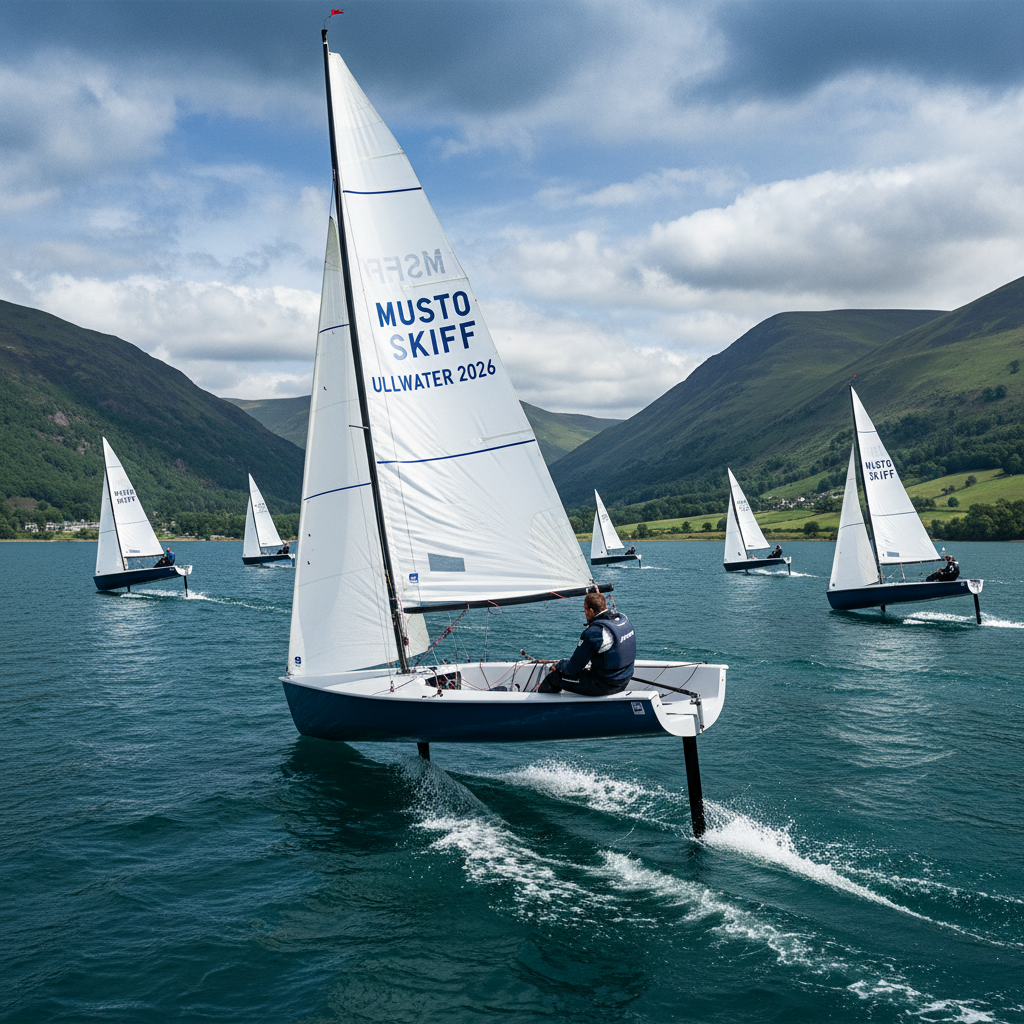
While the grand prix circuits like SailGP and the America's Cup captivate with their multi-million dollar budgets and cutting-edge foiling technology, the bedrock of competitive sailing, the dinghy classes, continue to innovate in their own vital ways. The recent announcement from the UK Musto Skiff Class Association regarding their 2026 training initiatives at Ullswater is a prime example of this essential development.
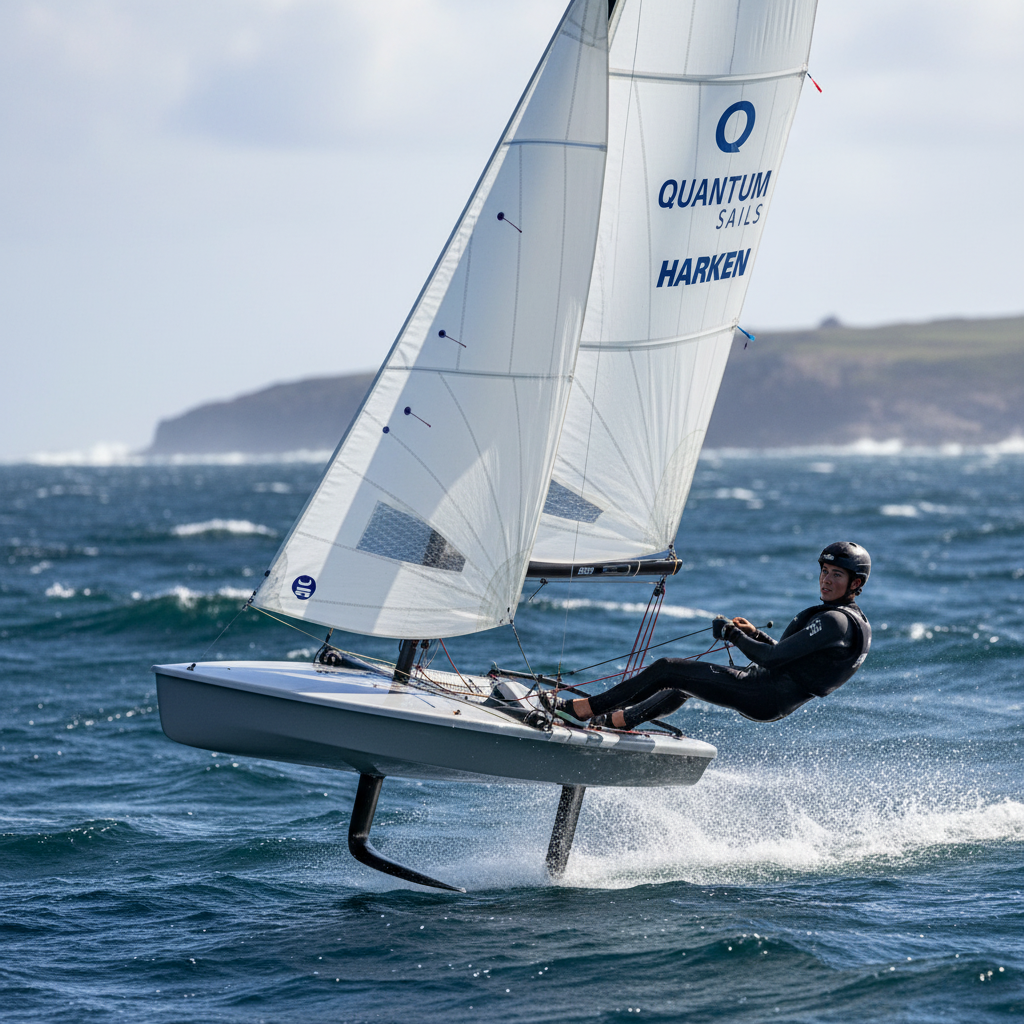
For those of us who cut our teeth on trapeze wires and asymmetric kites, the Musto Skiff represents a pure, exhilarating form of sailing. It’s a single-handed rocket, demanding precision, athleticism, and an intuitive understanding of wind and water. The class’s decision to prioritize structured training for 2026, with the steadfast backing of Noble Marine Insurance, is a shrewd move that will pay dividends for years to come.
This isn't just about throwing a few coaches at a fleet; it's about building a pipeline of talent, refining technique, and fostering a deeper understanding of race strategy. Imagine the impact on sail trim, boat handling in a blow, and tactical decision-making around the marks. For aspiring competitive sailors, these structured programs, often led by seasoned campaigners, are invaluable. They bridge the gap between enthusiastic amateur and polished competitor, much like the development pathways that feed into Olympic campaigns.
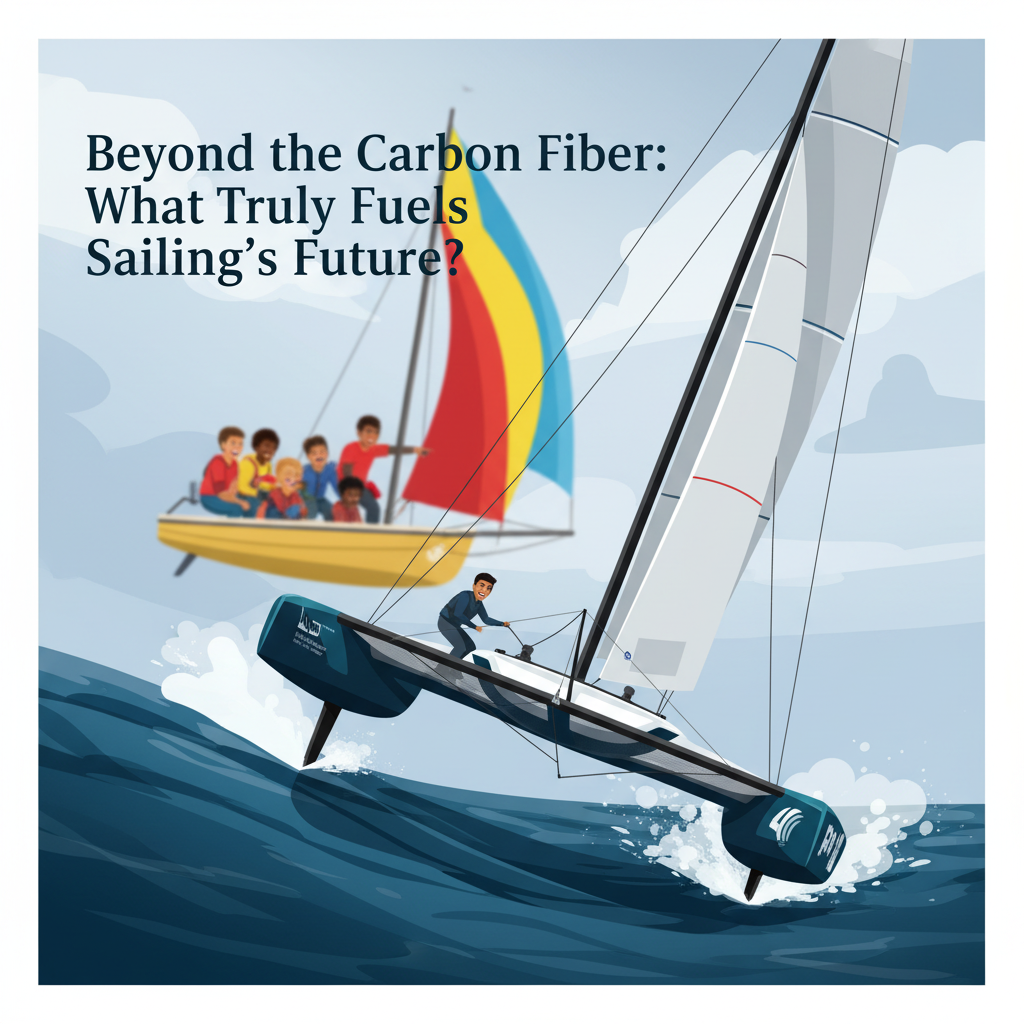
In an era where the focus often drifts to the latest carbon fiber wizardry from Southern Spars or the intricate hydraulics from Harken, it's refreshing to see a class commit to the fundamental art of sailing. This commitment ensures the Musto Skiff remains a vibrant, challenging, and ultimately rewarding platform for sailors, bolstering the competitive spirit that underpins our sport, from Ullswater to the Hauraki Gulf.