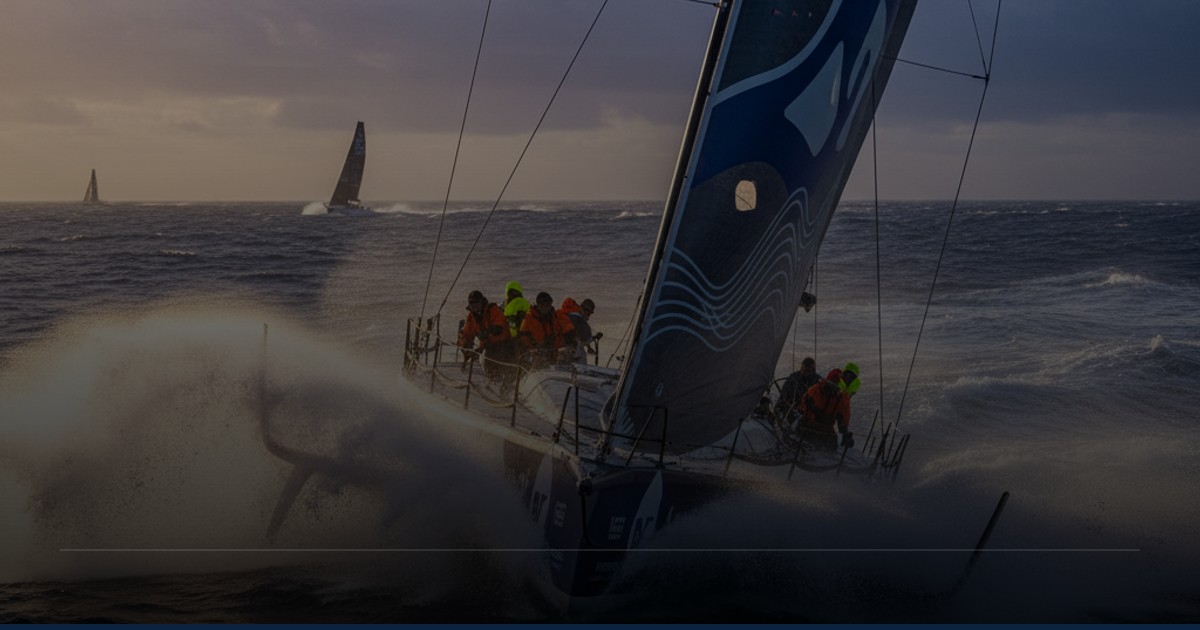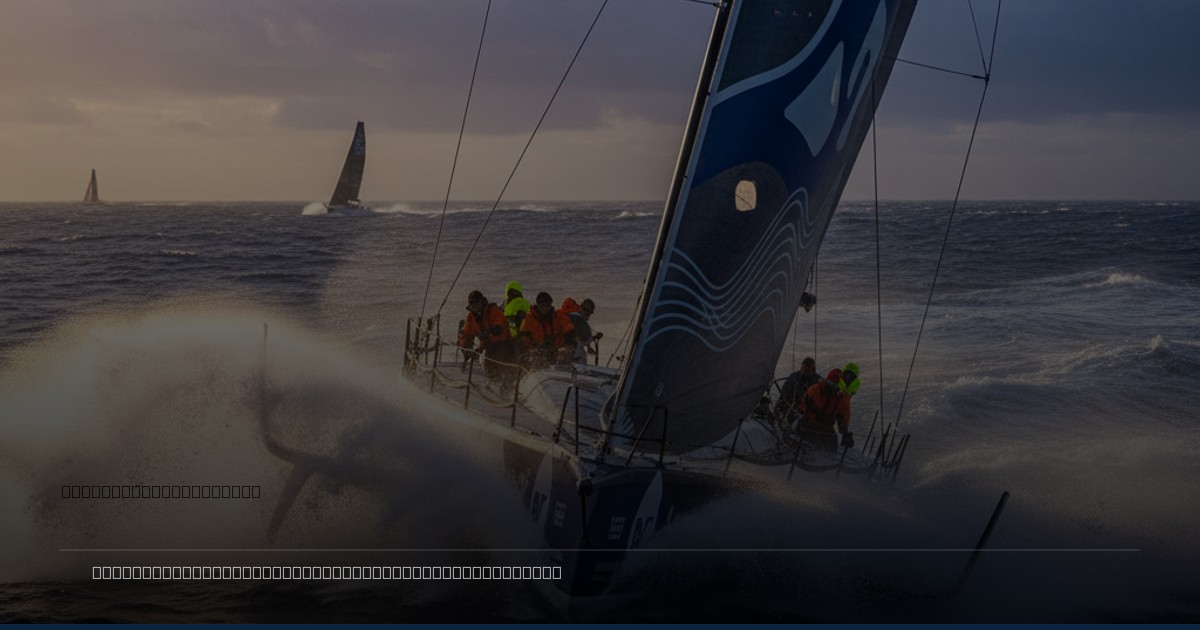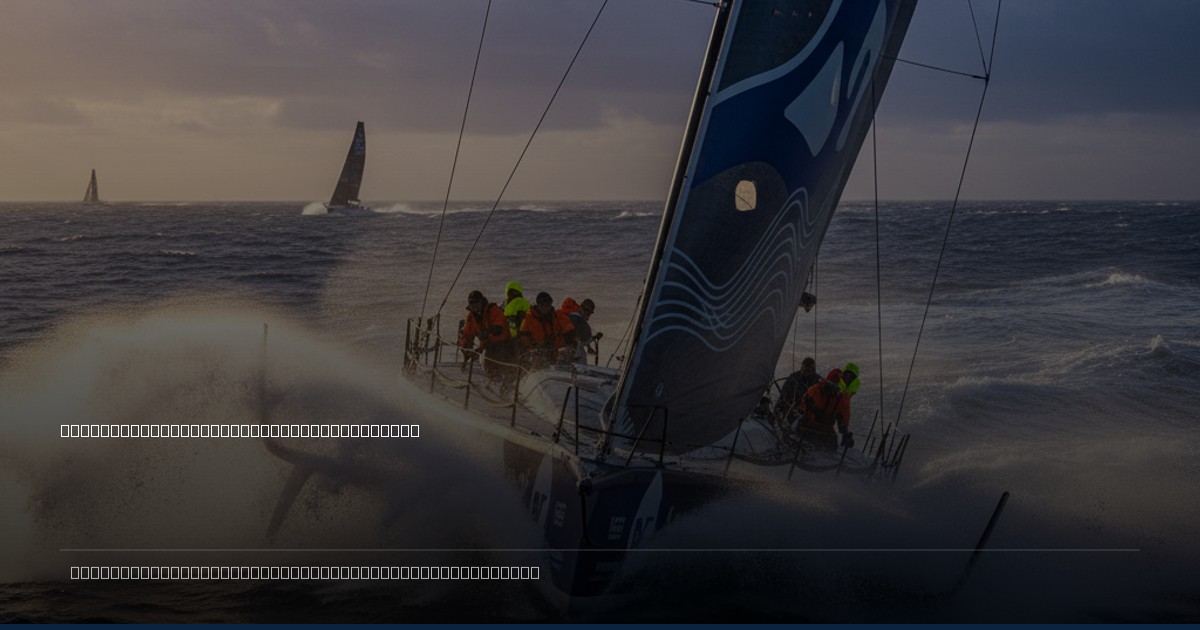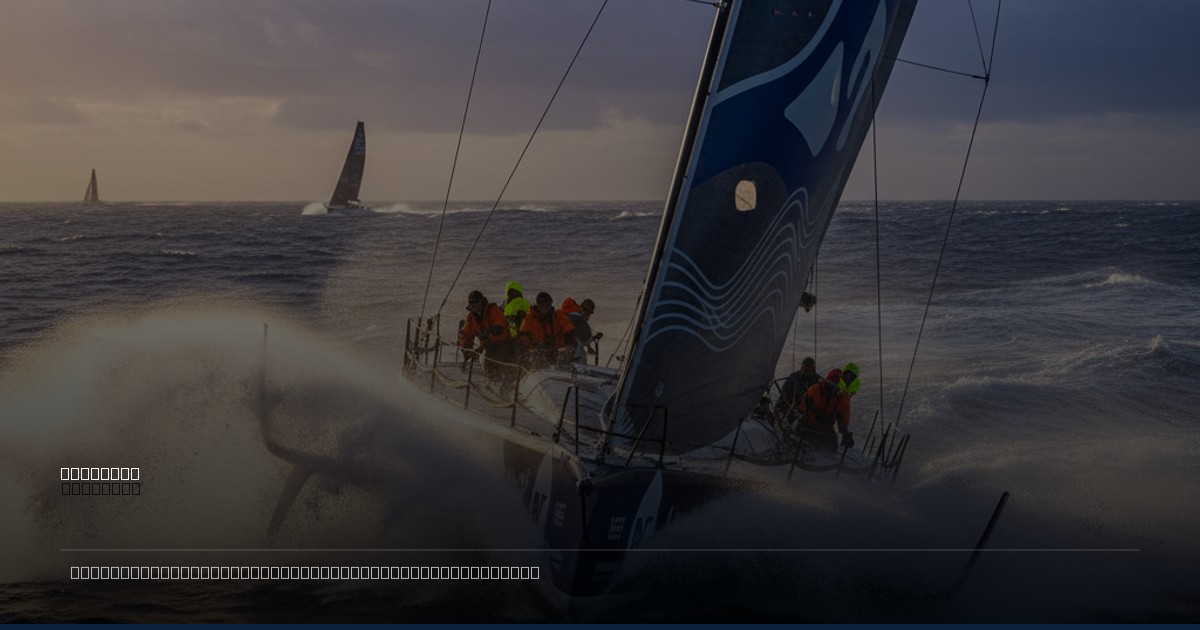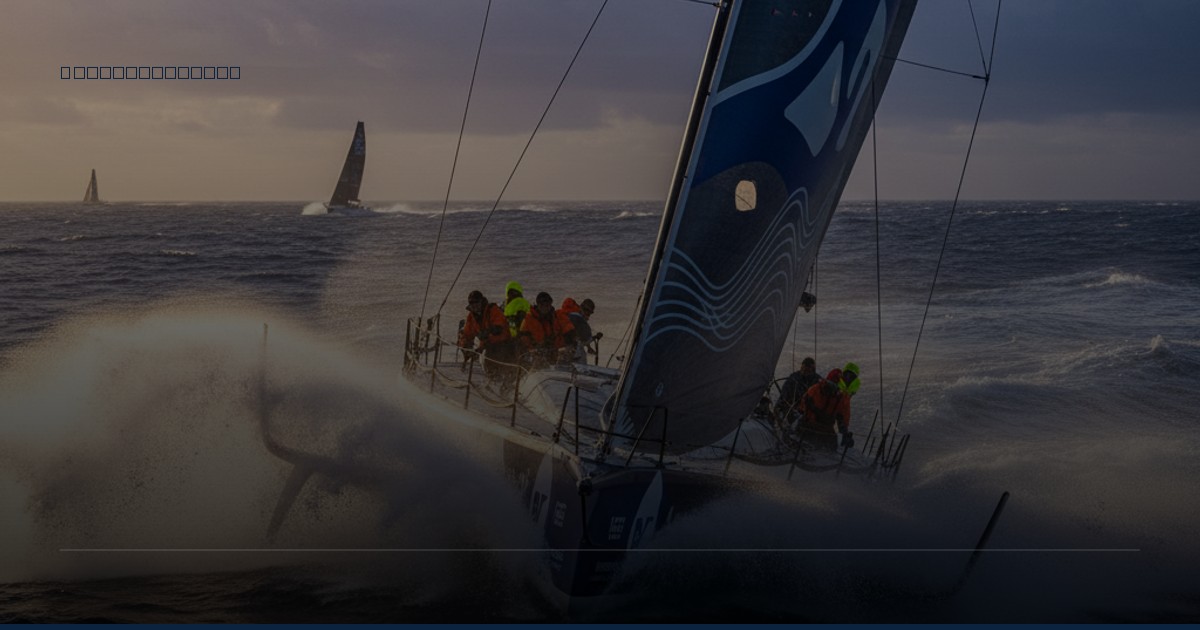
The siren song of the offshore race, with its promise of open water and untamed challenge, often gives way to the stark reality of unrelenting miles and dwindling reserves. Stuart Greenfield, a name synonymous with coaxing peak performance from grand prix programs and America's Cup challengers alike, recently pulled back the curtain on the subtle art of sustained offshore speed – a discipline far removed from the short-course sprint.
Greenfield's insights, honed over countless transoceanic passages, underscore a fundamental truth: pure boat speed, while crucial, becomes secondary to crew management and psychological resilience as the watch system grinds on. It's not about wringing every last tenth of a knot from a North 3Di main when the helmsman is hallucinating. Instead, the focus shifts to preserving the human element, ensuring that the team remains a cohesive, functional unit, capable of making sound decisions when the wind shifts or a Harken winch begins to groan under duress.
His 'thirteen ways' are not merely technical tweaks or sail trim secrets. They delve into the often-overlooked nuances of nutrition, sleep management, communication protocols, and even the judicious use of humor to break the monotony. These are the intangible assets that allow a crew to push through the inevitable troughs of an offshore race, to find that extra gear when the finish line is still a distant mirage. It's about empowering the watch captain to make strategic calls on sail changes or course adjustments, knowing that the rest of the team is aligned and capable of executing flawlessly, even when fatigue threatens to unravel the best-laid plans. This holistic approach to offshore racing is precisely what separates the podium contenders from those who merely finish.