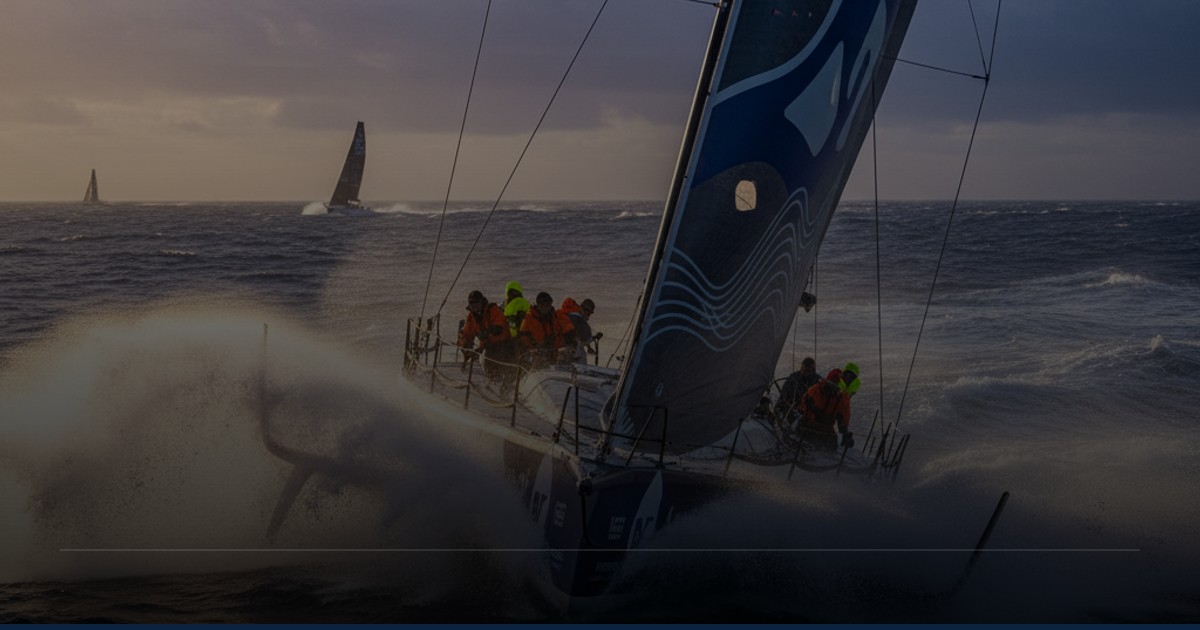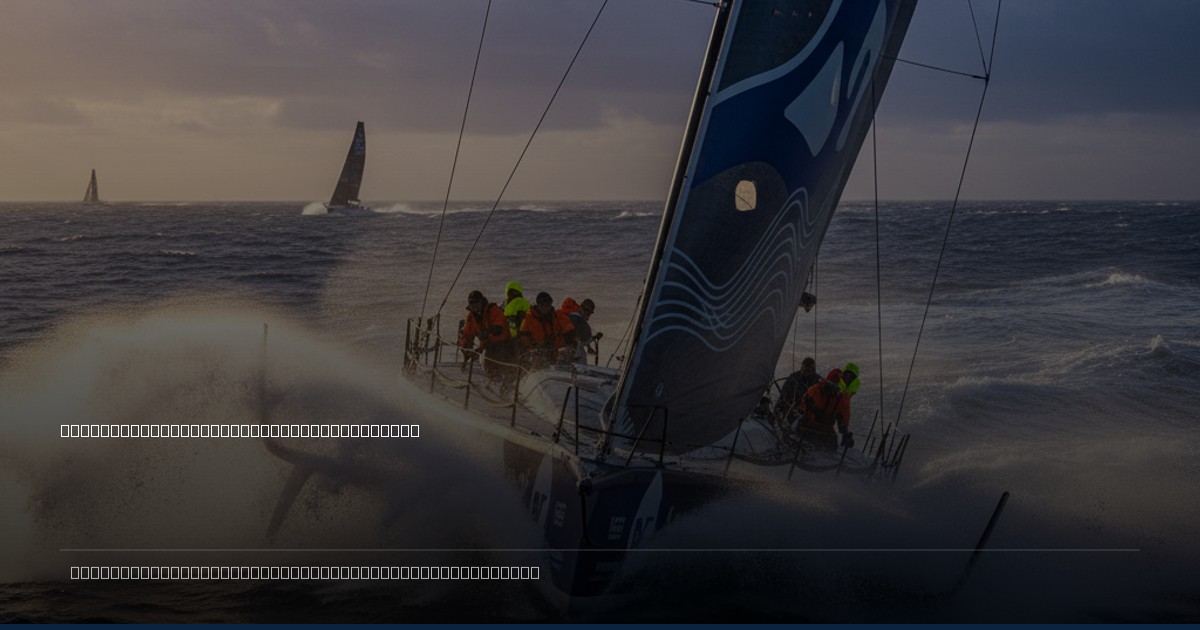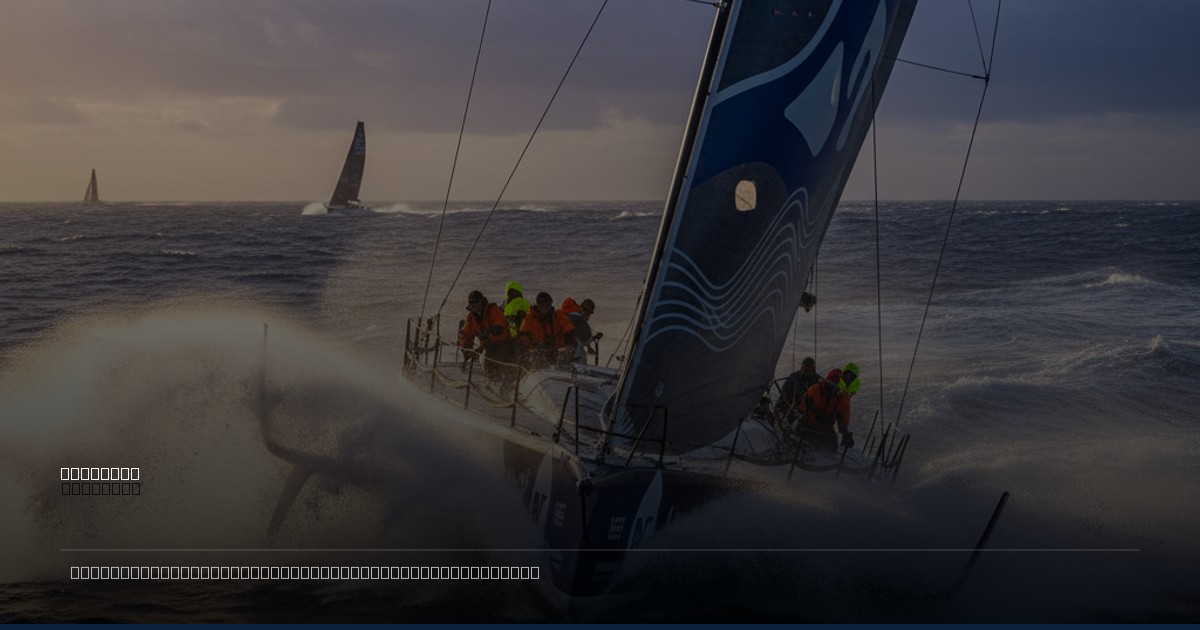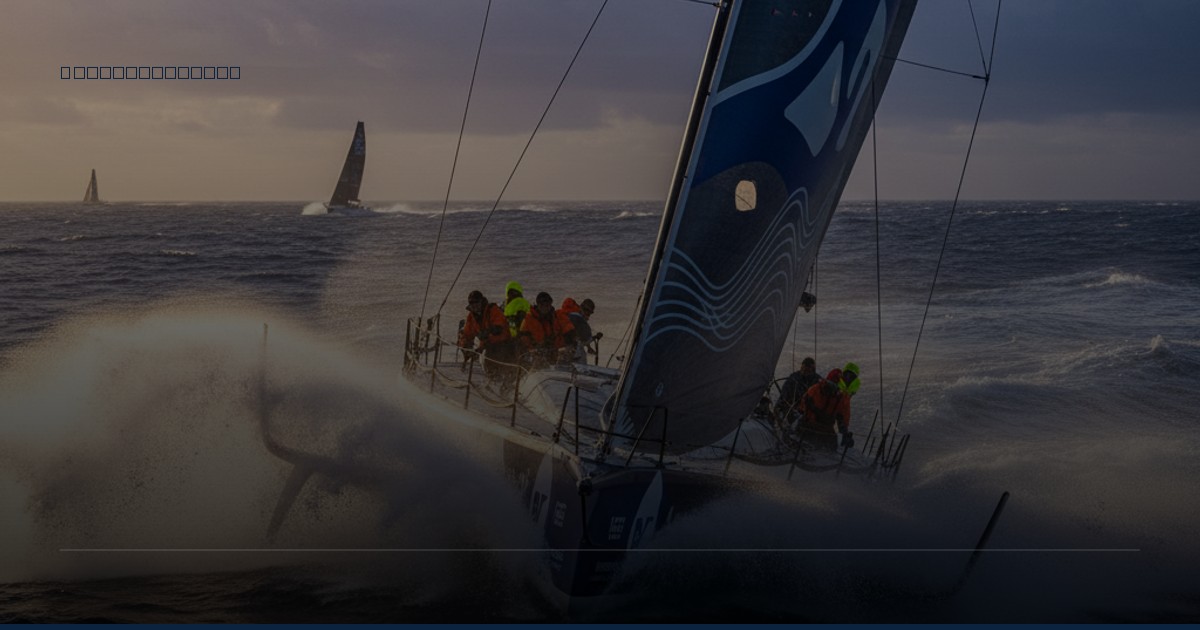
In the relentless pursuit of speed on the open ocean, countless hours are poured into sail design, hull optimization, and crew training. Yet, as veteran offshore coach Stuart Greenfield incisively points out, many otherwise well-sailed boats are leaving precious knots on the table, not due to a lack of effort or skill, but a fundamental misunderstanding of their own instrument data.
Greenfield's observation, echoed by anyone who has spent significant time in the demanding world of grand prix offshore racing, is stark: the numbers displayed on your Harken displays or B&G MFDs are only as good as their calibration and interpretation. A boat that *feels* fast might, in reality, be significantly underperforming its polars because the wind angle is off by a few degrees, or the boat speed sensor is fouled. This isn't just about minor discrepancies; it's about making tactical decisions – when to tack, when to peel a sail, what trim adjustments to make – based on flawed information.
The implications for a transatlantic crossing, a grueling leg of The Ocean Race, or even a coastal classic, are profound. Imagine Emirates Team New Zealand making a critical call on a foiling gybe in the America's Cup based on a wind shift that isn't truly there. Or a SailGP F50 team struggling for boat speed because their wing trim is optimized for an apparent wind angle that's misreported. The margin for error in modern competitive sailing, particularly with the razor-thin differences brought by foiling technology and advanced sail plans from North Sails, is virtually non-existent.
Greenfield's early coaching engagements often reveal this systemic issue. The 'aha!' moment, he explains, comes when crews realize their perceived performance is a mirage, built on a foundation of inaccurate data. It’s a sobering lesson for any competitive sailor, from the weekend warrior to the professional circuit: true speed begins not with a perfect sail shape, but with an unwavering commitment to accurate, reliable instrumentation. Without it, you're not just sailing blind; you're sailing slow, and often, you don't even know it.