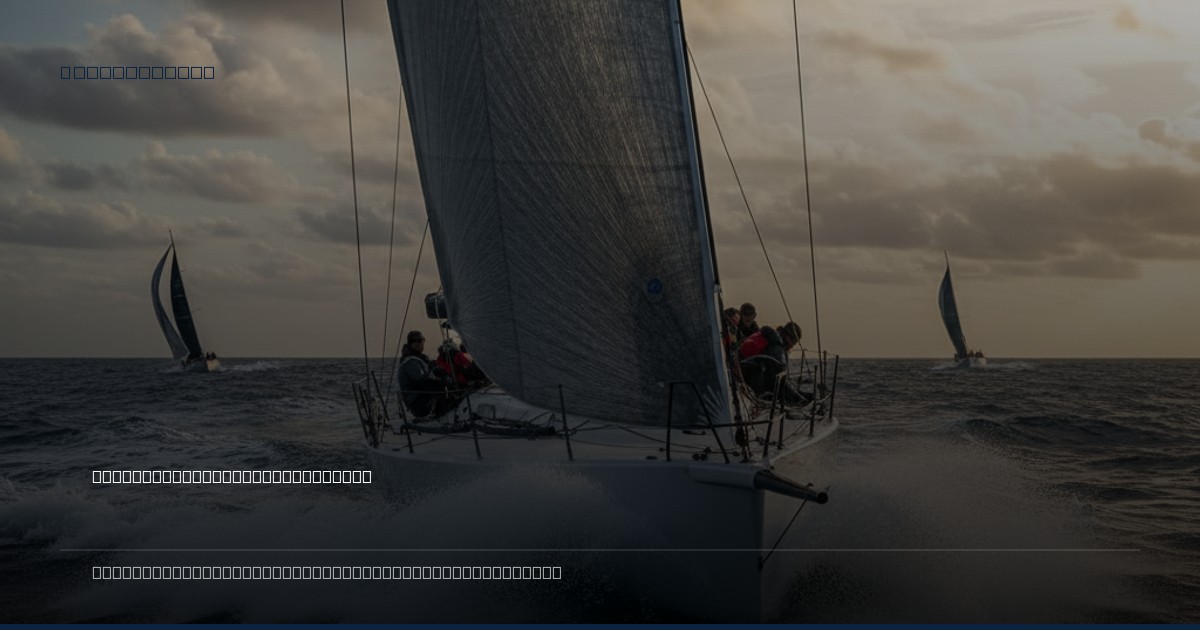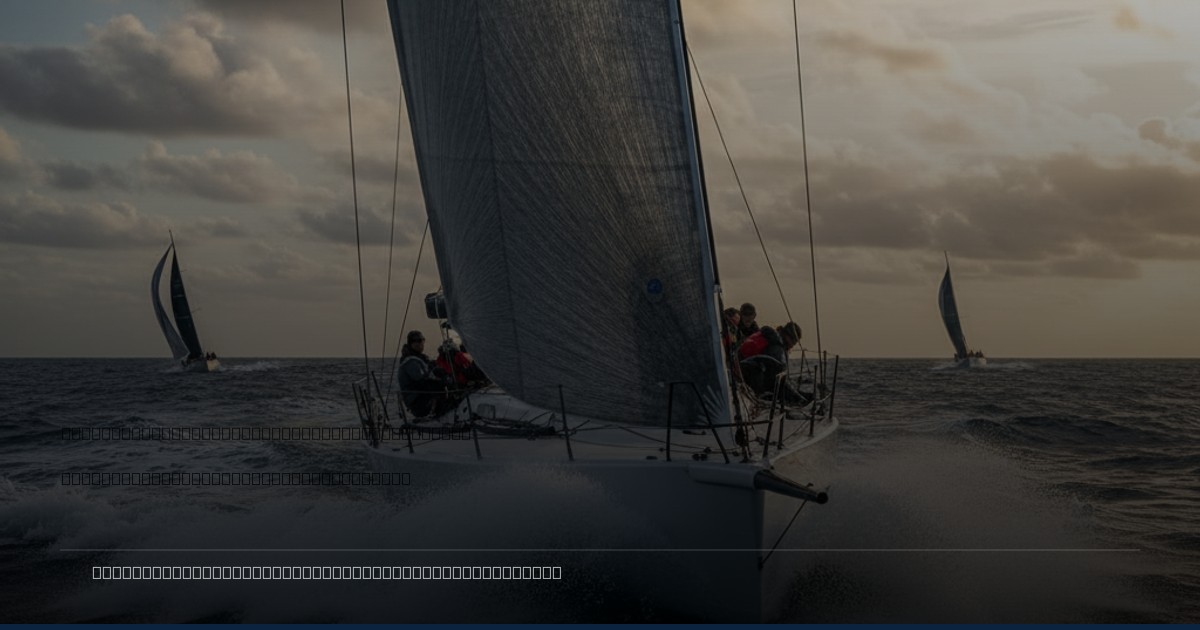
The Cote d'Azur delivered another day of classic Mediterranean bluster for the 470 fleets at French Olympic Week in Hyères, a crucial proving ground on the road to Marseille 2024. With two races for the gold fleet and three for the silver, the race committee wasted no time capitalizing on the robust breeze, ensuring a brisk pace that tested both boat handling and strategic acumen.
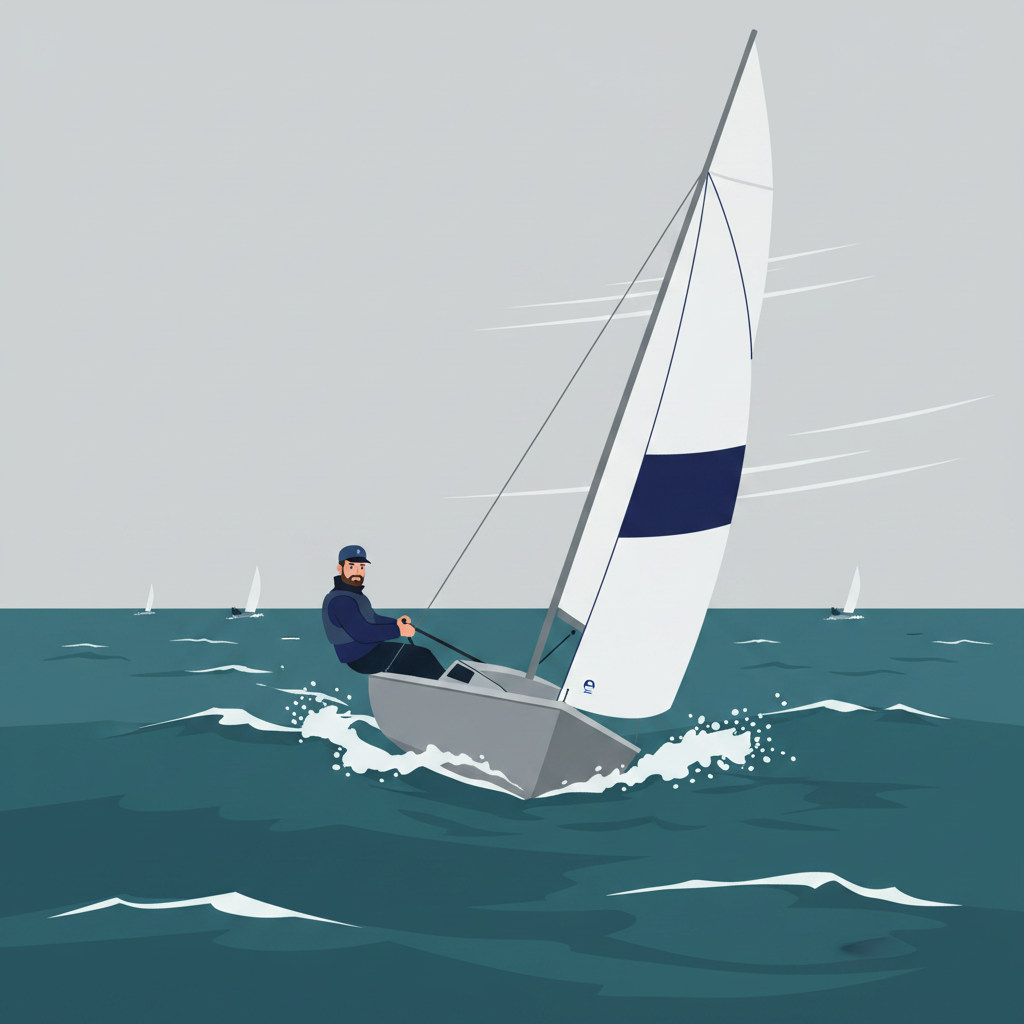
Conditions like these, while a boon for efficient race management, are a double-edged sword for the sailors. The sheer physical exertion required to keep these powerful dinghies tracking upwind and under control on the downwind legs is immense. We're talking about crews pushing Harken blocks to their limits, ensuring every ounce of sheet tension translates into speed, while the helmsmen wrestle with the tiller, feeling every gust and shift through the rudder.
This isn't just about raw speed; it's about consistency under pressure. In a fleet as deep as the Olympic 470 class, a single mistake – a botched tack, a missed shift, or a capsize – can be catastrophic for a campaign that has invested years, and often significant financial backing from national federations, into this moment. The teams that thrive in these conditions are those with meticulously prepared North Sails, perfectly tuned Southern Spars rigs, and an almost telepathic understanding between helm and crew. As the regatta progresses, the cream is undeniably rising to the top, with every point gained or lost holding immense weight in the pursuit of Olympic glory.