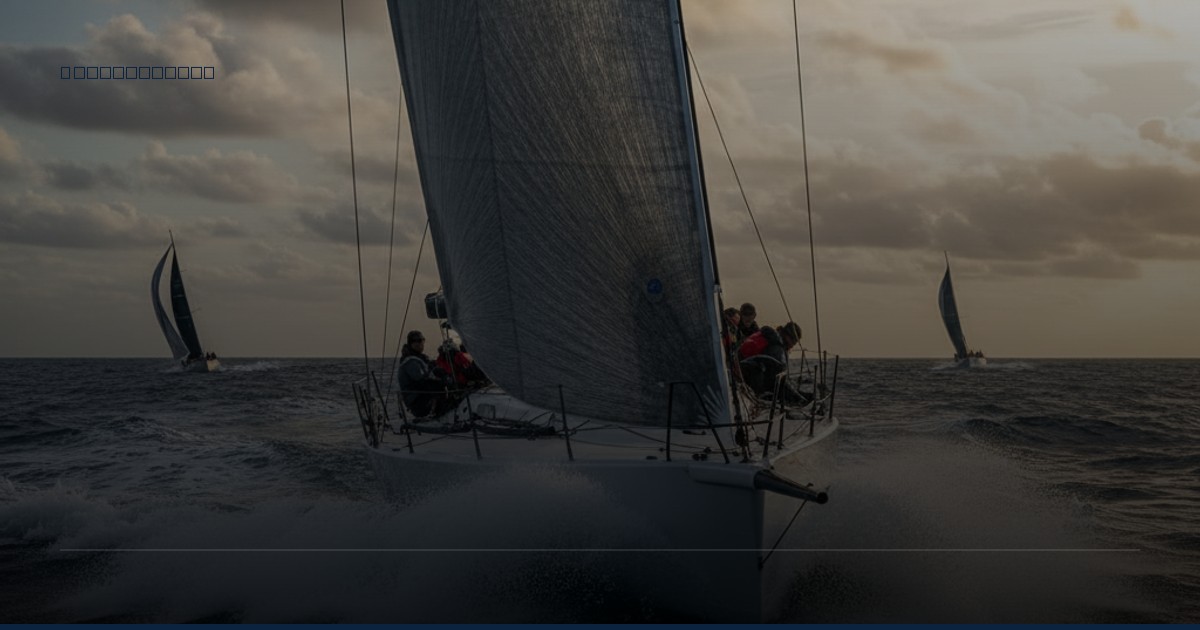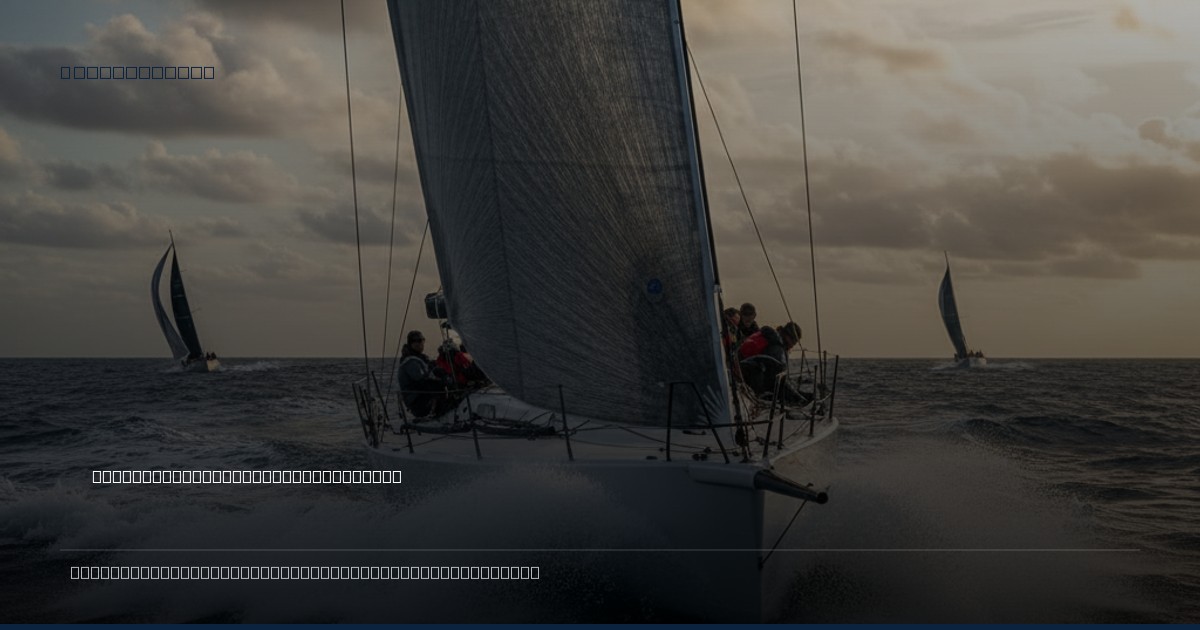
The Caribbean, a playground for the well-heeled and the adventurous, can turn from idyllic to unforgiving in a heartbeat. Such was the stark reality faced by a crew aboard a performance cruiser, as reported by James Evenson for Loose Cannon, when a building gale off Haiti exposed a critical vulnerability in a boat designed for speed, not sustained offshore punishment.
The initial flicker of the bilge pump, a subtle warning, quickly escalated into a full-blown emergency. In 35 knots, gusting to 45, with a triple-reefed main struggling to contain the immense power of a wing-like sail plan, the crew found themselves in a desperate battle. It’s a familiar scenario for any sailor who has pushed the limits offshore: the relentless pounding, the spray that never ceases, and the gnawing uncertainty of what lies beneath the floorboards. This wasn't a leisurely coastal cruise; this was a test of boat and crew against the raw power of the ocean.
While the specific boat type isn't mentioned, the narrative strongly suggests a vessel optimized for grand prix-style performance, perhaps a carbon-hulled flyer from a builder known for sleek lines and blistering pace. These are magnificent machines on a racecourse, but their inherent compromises often surface when confronted with sustained gale-force conditions. The balance between light displacement for speed and robust construction for ocean crossings is a perpetual tightrope walk for designers like those at Southern Spars or the sailmakers at North Sails, who are constantly pushing the envelope of materials and engineering.
This incident serves as a potent reminder that even the most advanced sailing technology is ultimately subject to the whims of the sea. The pursuit of speed is intoxicating, but the fundamental principles of seaworthiness – structural integrity, reliable systems, and the ability to shed water – remain paramount. As the America's Cup campaigns pour hundreds of millions into foiling marvels, and SailGP pushes the boundaries of human and technological performance, stories like this underscore the timeless truth: the ocean always has the final say.