The Caribbean, a crucible for speed and a graveyard for the unprepared. James Evenson's 'Loose Cannon' account on Sailing Scuttlebutt painted a stark picture of a high-performance vessel, built for the thrill of the regatta, finding itself in a brutal offshore reality. The bilge pump, that oft-ignored sentinel of impending doom, began its rhythmic thrum somewhere off Haiti. A minor inconvenience at first, a quick check, nothing obvious, and the relentless pursuit of miles continued.
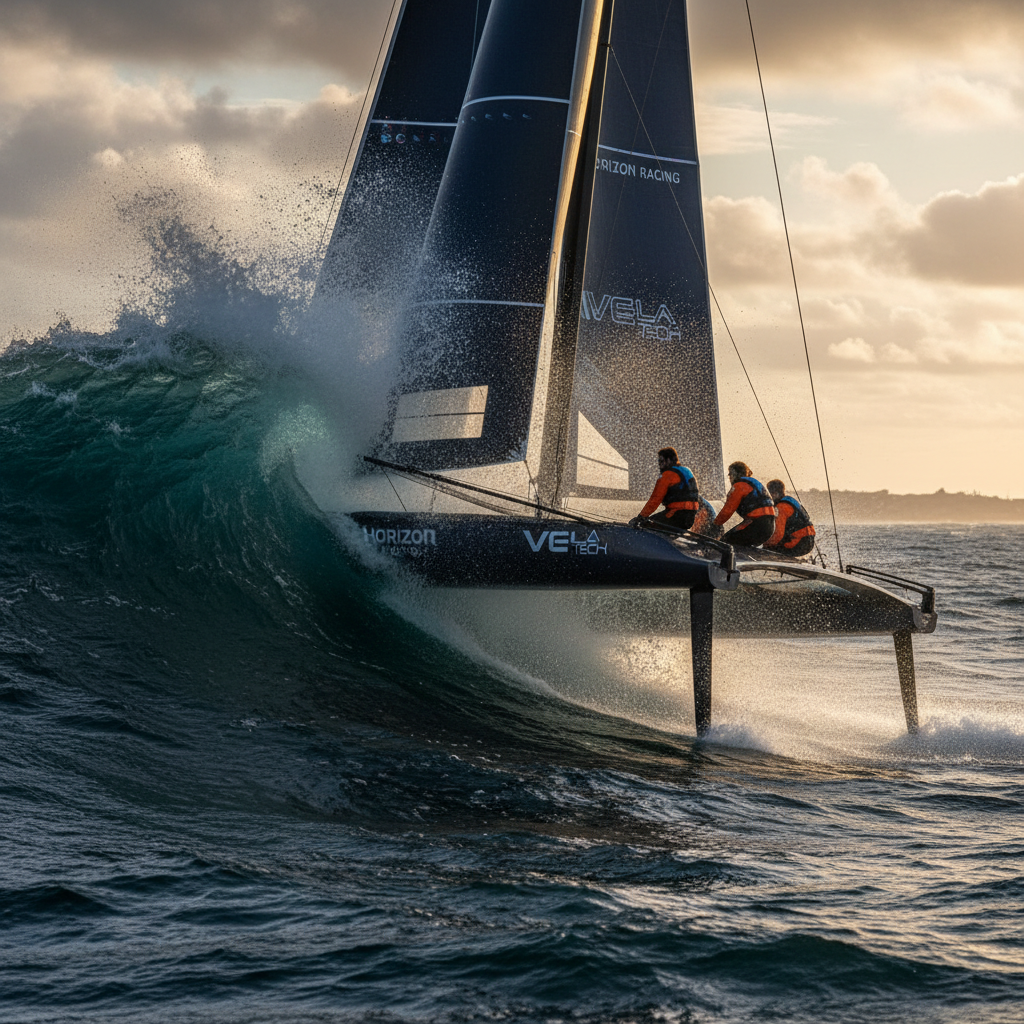
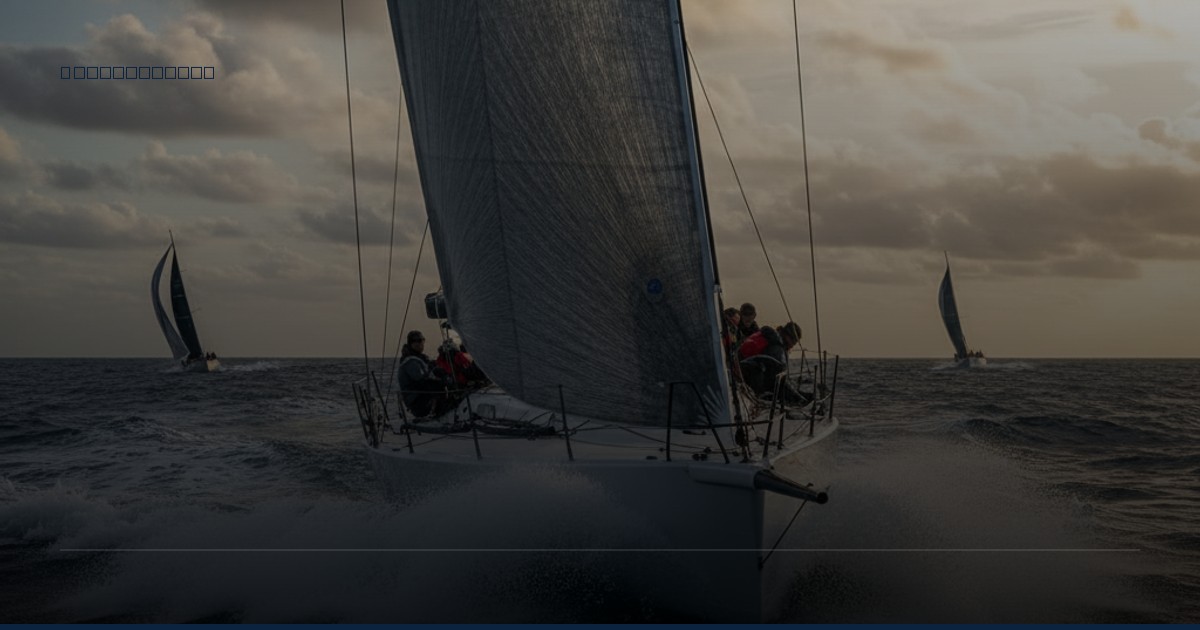
But the ocean, as any seasoned transatlantic veteran will tell you, has a way of exposing weaknesses. The wind, building from a bluster to a full-blown gale – 35 knots, gusting to 45 – transformed a fast cruiser into a fragile projectile. Triple-reefed mainsails and a prayer are scant comfort when the very structure of your vessel begins to betray you. This wasn't a grand prix circuit, a tightly controlled America's Cup arena where shore teams and chase boats are a radio call away. This was the raw, unforgiving blue water.
The narrative, though brief, echoes countless tales of boats designed for the sprint, not the marathon. We've seen it in various forms, from early foiling prototypes pushing the envelope to the relentless pursuit of lightness in offshore racers. While the cutting edge of naval architecture, exemplified by the AC75s of Emirates Team New Zealand or the IMOCAs of The Ocean Race, demands a balance of speed and structural integrity, smaller, privately-owned performance boats often walk a finer line. This incident serves as a visceral reminder that even with the most advanced Harken hardware and North Sails, a boat's ultimate seaworthiness is paramount. The allure of speed is intoxicating, but the ocean always has the final say.