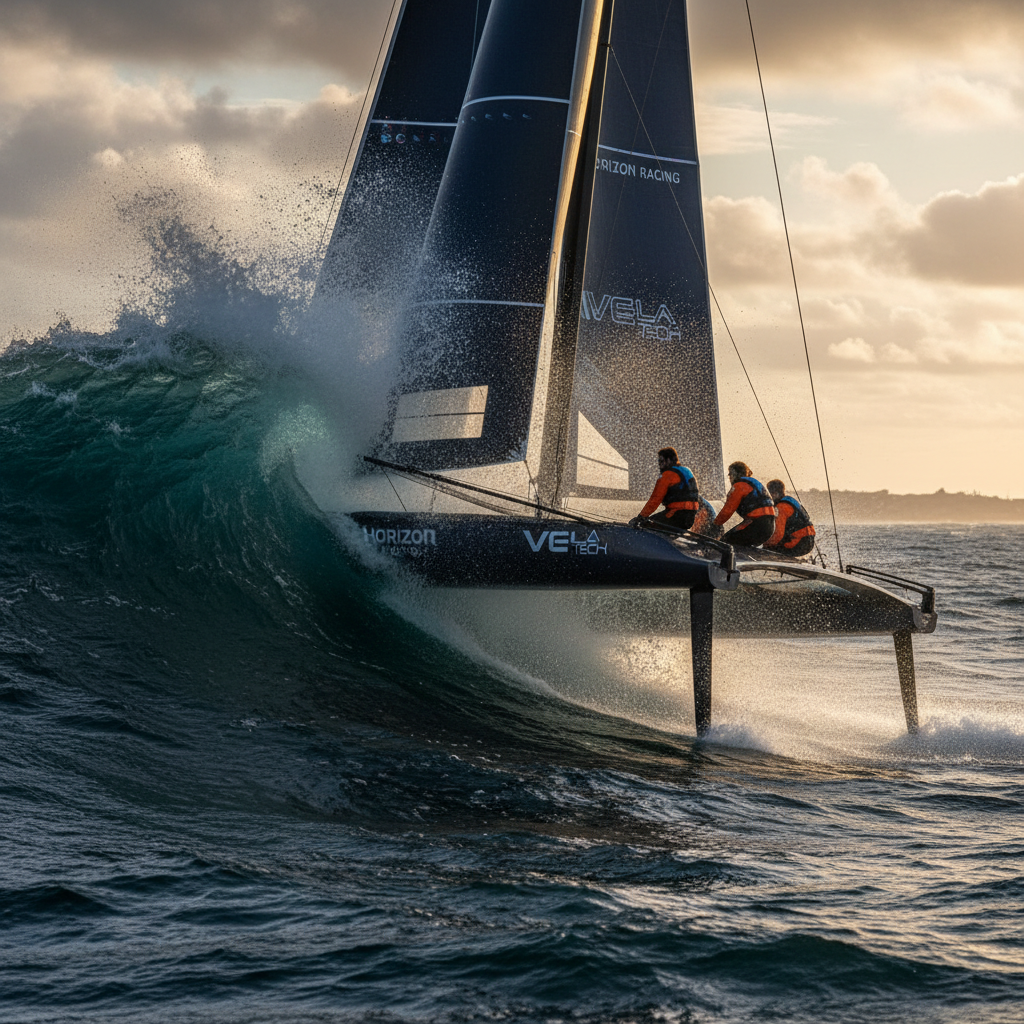
The stark reality of offshore sailing often diverges sharply from the polished imagery of grand prix circuits. While we celebrate the cutting-edge foiling marvels of SailGP and the America's Cup, the sea has a humbling way of reminding us that raw speed can be a double-edged sword when far from shore. A recent dispatch from the Caribbean, detailed by James Evenson for Sailing Scuttlebutt, paints a vivid, and frankly, chilling picture of this very truth.
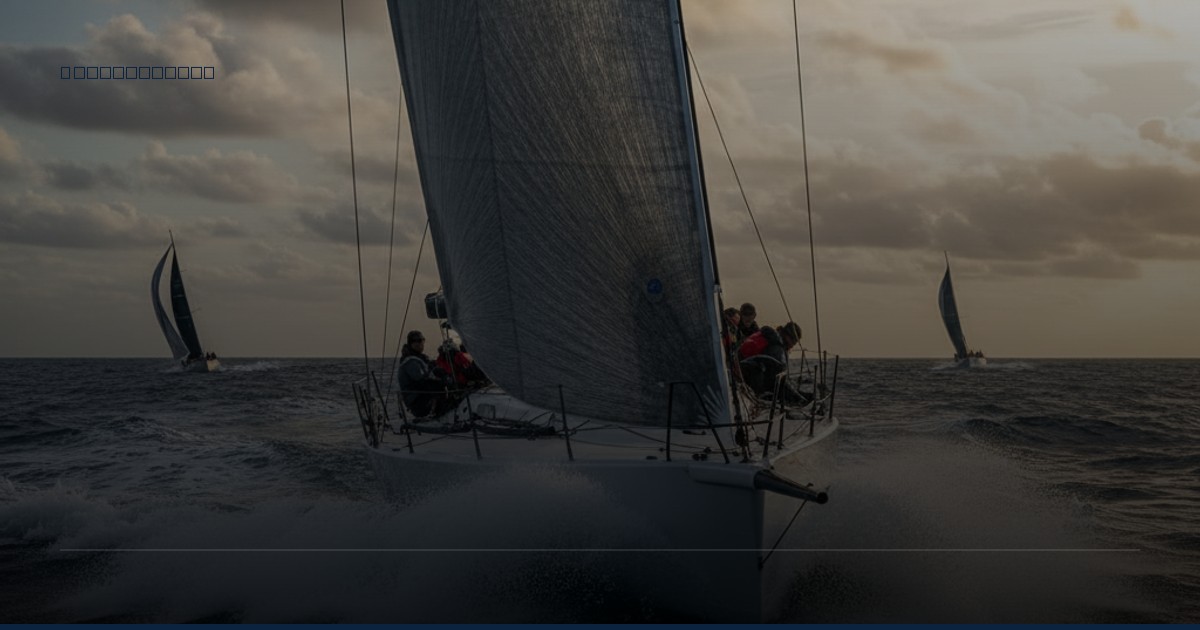
The narrative begins innocuously enough: a bilge pump cycling somewhere off Haiti. For any seasoned offshore sailor, that's an immediate red flag, a visceral jolt. The skipper's initial checks, the lack of an obvious culprit, and the decision to press on – these are the subtle, insidious steps towards a potential catastrophe. The wind, as it so often does, became the antagonist, building to a screaming 35 knots, gusting to 45. Gale conditions. On a boat, as Evenson succinctly puts it, 'designed to go fast, not far.'
This isn't the controlled environment of a coastal race, nor the meticulously managed logistics of The Ocean Race. This is the wild, untamed ocean, where a triple-reefed main is a testament to survival, not performance. It underscores a critical distinction often blurred in our pursuit of speed: the fundamental difference between a coastal flyer and a true bluewater voyager. While the materials from Southern Spars and the intricate engineering of a Harken winch might be shared across disciplines, the underlying structural integrity, the redundancy of systems, and the sheer volume of a hull designed to shed water and withstand sustained punishment are entirely different propositions. This incident serves as a stark reminder that even with the most advanced North Sails pushing you forward, the ultimate arbiter of success, and indeed survival, remains the ocean itself.