While our regular readers are accustomed to the stratospheric speeds of AC75s or the relentless grind of The Ocean Race, it's crucial to remember that every Peter Burling, every Ben Ainslie, started somewhere. And for many of the UK's burgeoning talents, that 'somewhere' is often the humble, yet fiercely competitive, Topper dinghy.
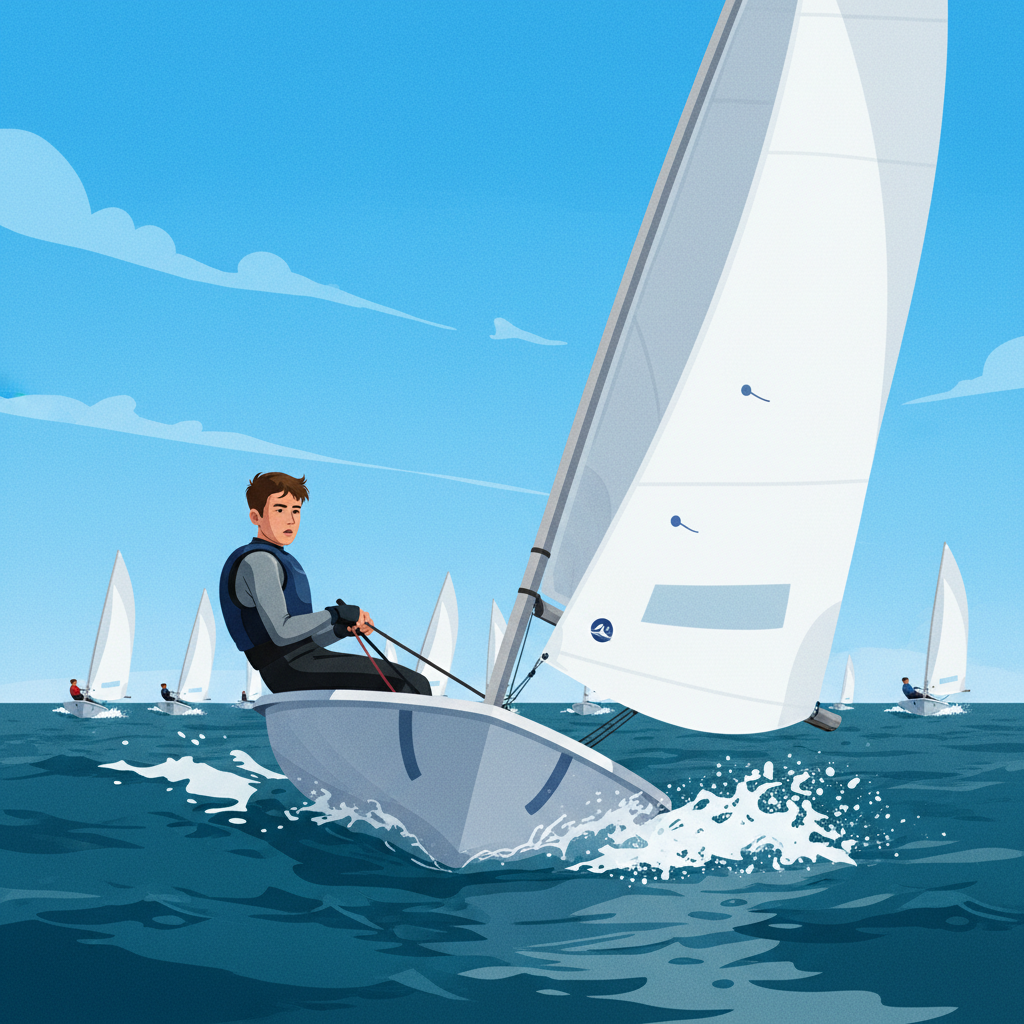
The second event of the Topper National Series (NS2) recently unfolded at the hallowed Weymouth & Portland National Sailing Academy, a venue synonymous with Olympic glory. On Saturday, March 7th, 2026, the young sailors were greeted by a classic Weymouth breeze – a steady 10-15 knots. These are the conditions where fundamental boat handling, subtle trim adjustments, and nascent wind strategy begin to truly differentiate the fleet. It's not about wing sails or hydraulic systems here; it's about feeling the boat, understanding the tell-tales, and making those split-second decisions that define a race.
For those of us who've witnessed the evolution of sailing, from IOR maxis to the current era of foiling marvels, the Topper circuit represents the raw, unadulterated essence of the sport. It's where future North Sails designers learn about sail shape, where aspiring Harken engineers see block and tackle in its purest form, and where the next generation of Southern Spars riggers first grasp the forces at play. The tactical nuances on a Topper course – the shifts, the pressure lanes, the tidal gates around Portland – are the same principles, albeit on a smaller scale, that dictate fortunes in an America's Cup match. These young sailors aren't just racing; they're building the bedrock of skills that will one day propel them onto the grand prix circuit, perhaps even into the cockpits of SailGP F50s. The competitive fire ignited in Weymouth today will fuel the champions of tomorrow.