Even as the America's Cup campaigns meticulously plan their next $100 million moves and SailGP gladiators carve up the racecourse at breathtaking speeds, the lifeblood of competitive sailing flows through events like the Torbay Dinghy Regatta. Scheduled for July 11th-12th, 2026, this event, alongside the Torbay Royal Regatta, might not feature wing sails or multi-million dollar budgets, but it's where the fundamental skills – the very bedrock of what makes a Peter Burling or a Ben Ainslie – are forged.
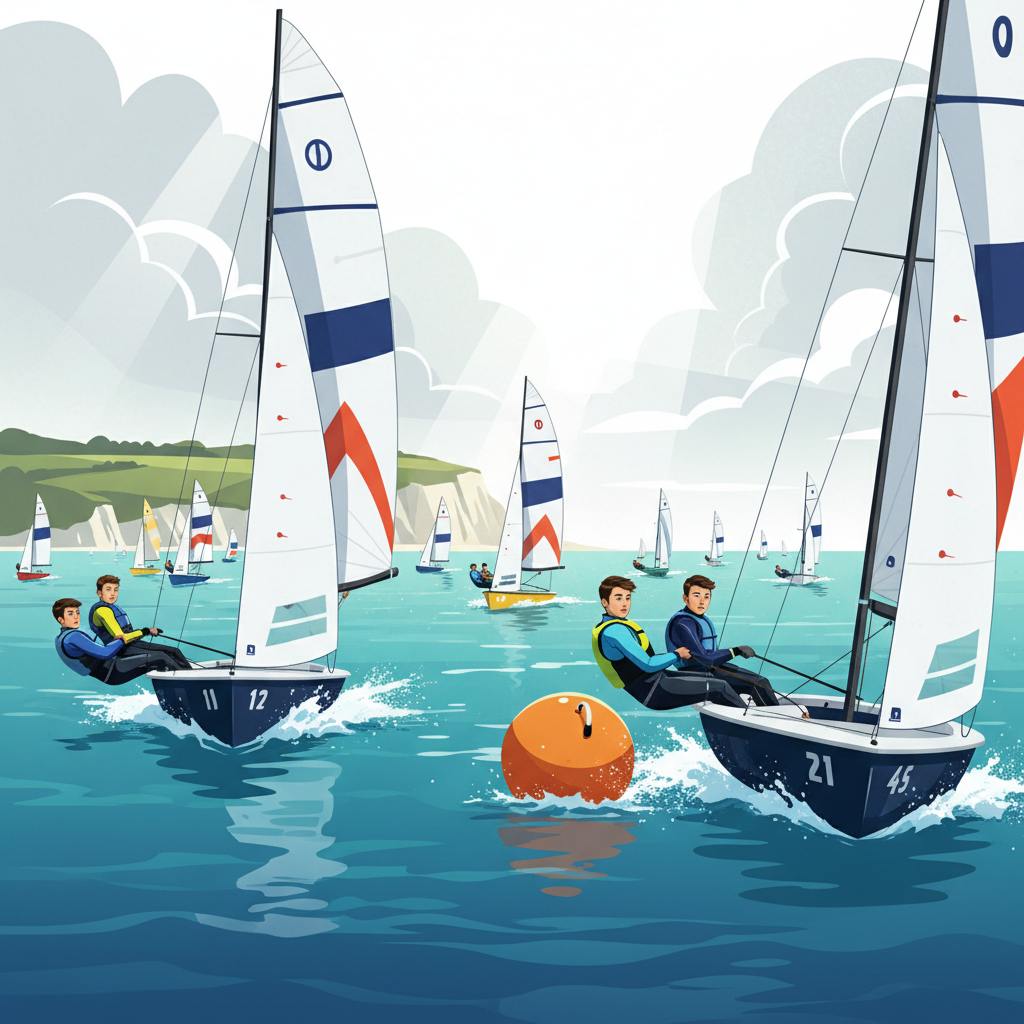
Open to a broad spectrum of PY Dinghies, encompassing both asymmetric and non-asymmetric designs, as well as dedicated Junior Classes, Torbay offers a diverse battlefield. This isn't just about raw boat speed; it's about mastering the basics: boat handling, understanding wind shifts, reading the chop, and executing clean mark roundings under pressure. For the young sailors, particularly, this is invaluable experience. It's where they learn the nuances of sail trim without the complexity of hydraulic systems, where Harken blocks are still fundamental, and where Southern Spars, albeit on a smaller scale, are still pushing performance.
While the grand prix circuit focuses on marginal gains at the top, events like Torbay are about developing the core competency that allows sailors to eventually step into an Olympic class, or even dream of crewing on a future Luna Rossa or American Magic. The tactical decisions made on a dinghy course – whether to cover, to tack on a shift, or to play the current – are the same principles that govern a transatlantic race or an America's Cup match. Torbay 2026 will be more than just a weekend of racing; it's an essential part of the sailing ecosystem, nurturing the talent that will one day grace the front pages of SailGrit.