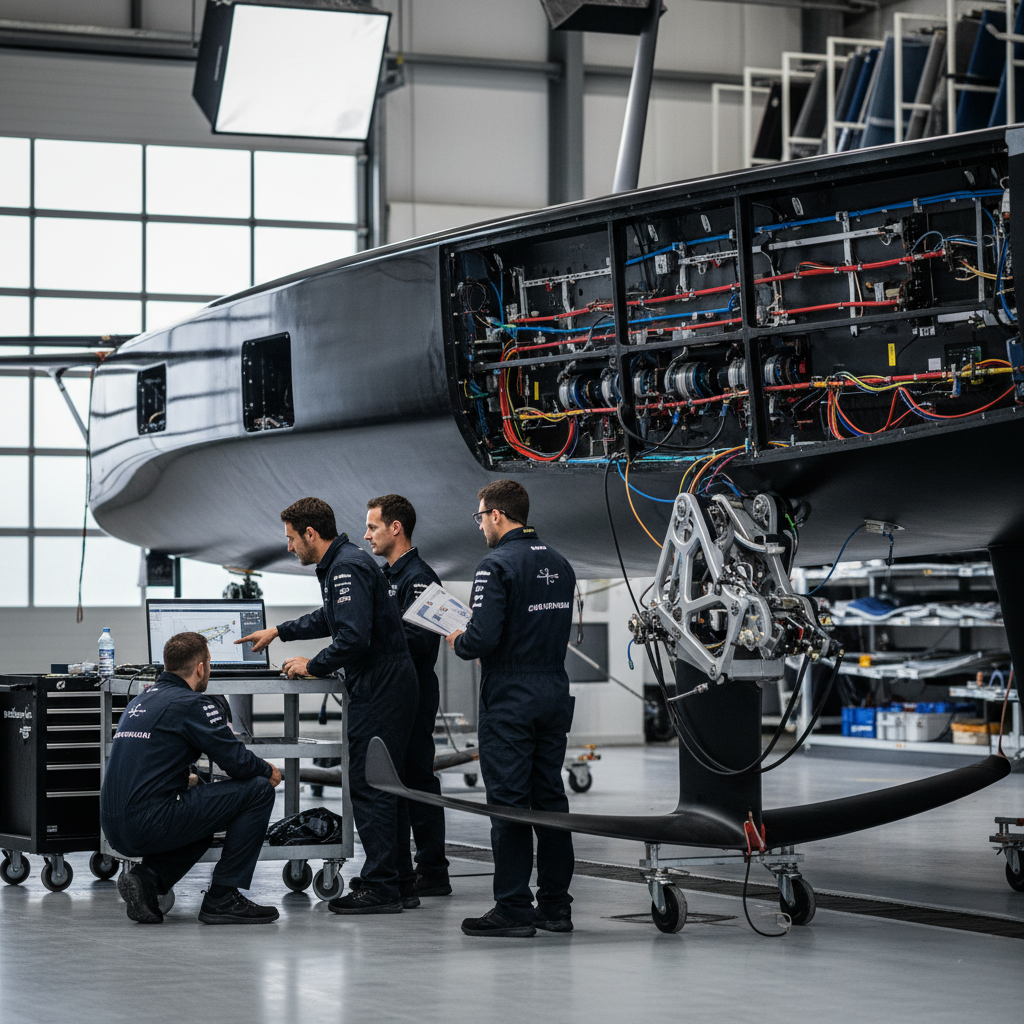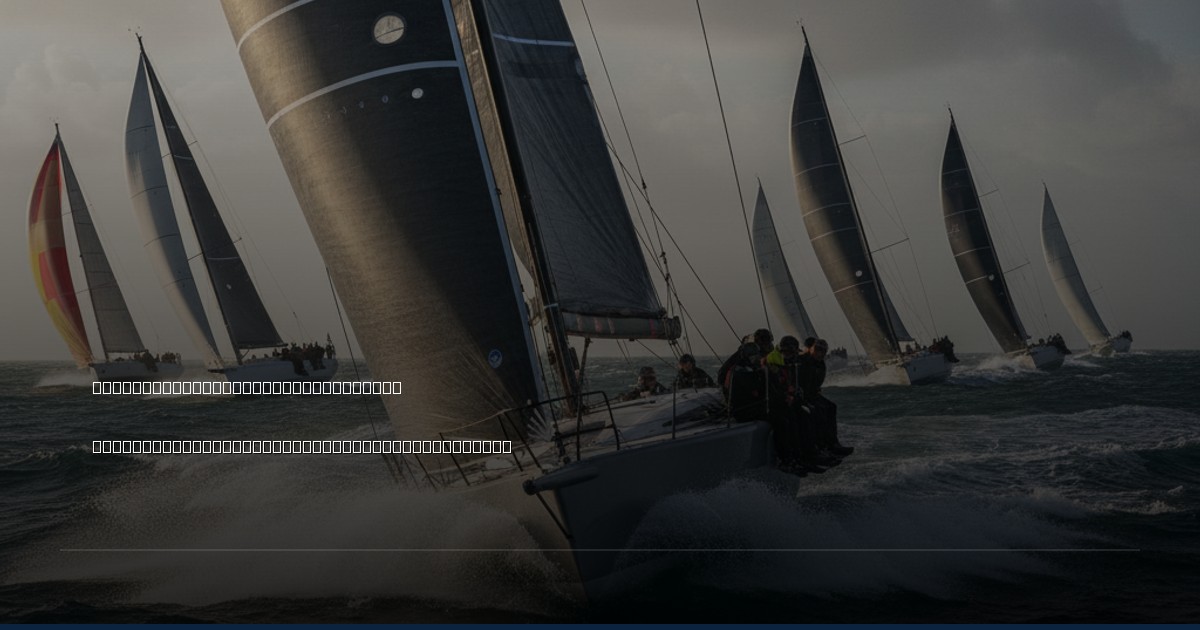
The whispers from the sheds, often more telling than any official press release, are starting to coalesce around a fascinating theme: restraint. 'Measure twice. Cut once,' the old adage goes, but the latest intelligence suggests some America's Cup challengers are taking that to an almost unprecedented level, perhaps even 'measured thrice.' This isn't about hesitation; it's about meticulous, almost surgical, design evolution.
The initial quantum of ambition, we're hearing, is being deliberately reined in. No headlines. No overtly aggressive sail plan. No elongated rig that pushes the very limits of the class rule, risking structural integrity or, worse, a performance penalty in marginal conditions. This calculated conservatism, particularly from teams known for their audacious engineering, speaks volumes.
Consider the implications. In a class as tightly constrained and technologically advanced as the AC75, where every gram and every square centimeter of sail area is scrutinized, a 'safe' initial design might seem counterintuitive. Yet, the cost of a catastrophic failure – be it a snapped mast from an over-stressed Southern Spars rig or a delaminated North Sails membrane from an overly aggressive sail shape – is astronomical, both in financial terms and in lost development time. These are $100M campaigns; mistakes are not merely expensive, they can be fatal to a challenge.
Could this be a strategic feint? Or a genuine acknowledgment that the performance gains from pushing the envelope too far, too early, are diminishing? The smart money is on the latter. By starting with a robust, well-understood platform, teams can then incrementally optimize, leveraging their Harken hydraulics and advanced control systems to extract every ounce of performance. It’s a patient game, and in the America's Cup, patience, backed by unparalleled engineering, often wins the day.