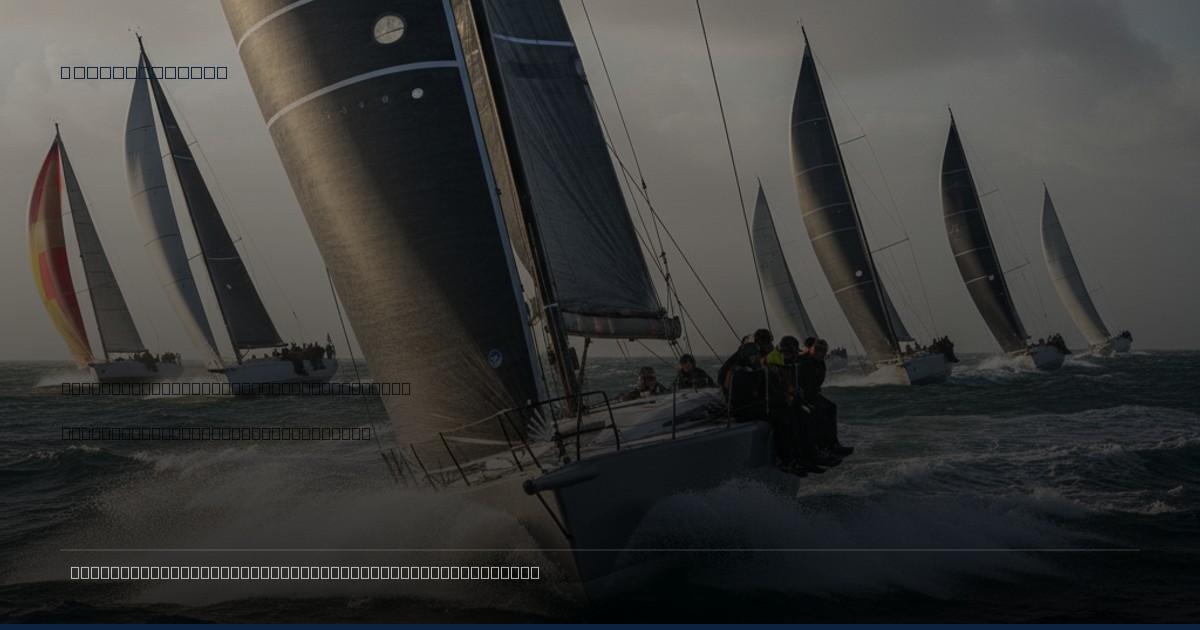
The whispers from the sheds are becoming a roar, not of revolutionary breakthroughs, but of disciplined evolution. The adage, 'measure twice, cut once,' appears to have been taken to heart – perhaps even thrice – by the America's Cup challengers and defender alike. We're seeing a fascinating, almost understated, approach to the next generation of AC75s.
The initial quantum of ambition, as one insider put it, was deliberately reined in. Gone, it seems, are the days of chasing headline-grabbing, overtly aggressive sail plans or elongated rigs designed to push the very limits of the class rule. Instead, the focus has pivoted to meticulous optimization of known quantities. This isn't to say innovation has stalled; far from it. Rather, it's being applied with surgical precision to areas that yield tangible, repeatable performance gains.
Consider the lessons from the 36th America's Cup. While Emirates Team New Zealand ultimately prevailed, the journey was fraught with moments where radical departures, while thrilling, also introduced significant risk and development hurdles. Now, with a more mature understanding of the AC75 platform – its foiling dynamics, the interplay of wing-sail aerodynamics (or increasingly, soft-wing hybrids), and the sheer power demands – teams are opting for refinement.
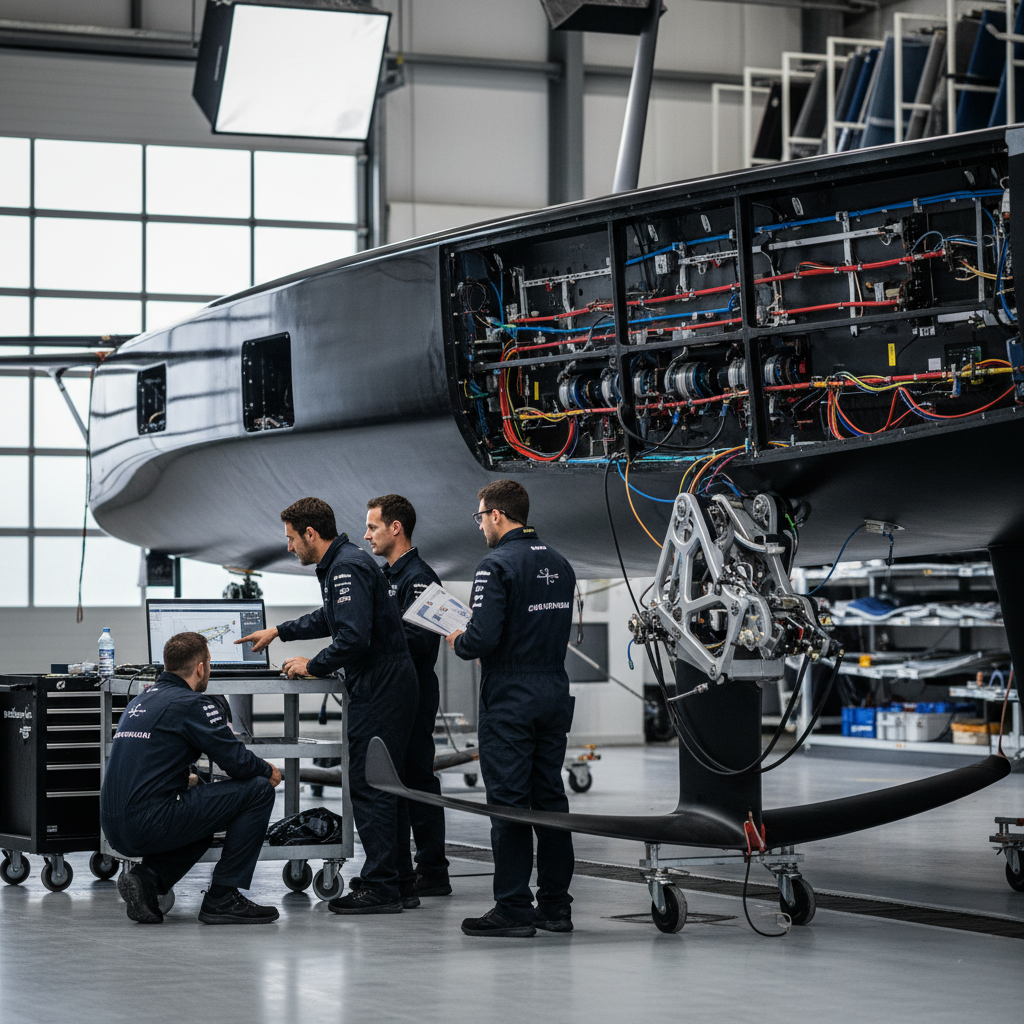
We can anticipate seeing subtle tweaks to foil geometries, perhaps a more refined hull-form interaction with the water during splash-downs or take-offs, and an even deeper dive into systems integration from Harken and Southern Spars. The battle will be won not by the most audacious design, but by the team that has most thoroughly understood and optimized every single component, every line, every laminate. This calculated conservatism, far from being boring, promises a tighter, more intensely strategic competition on the water.