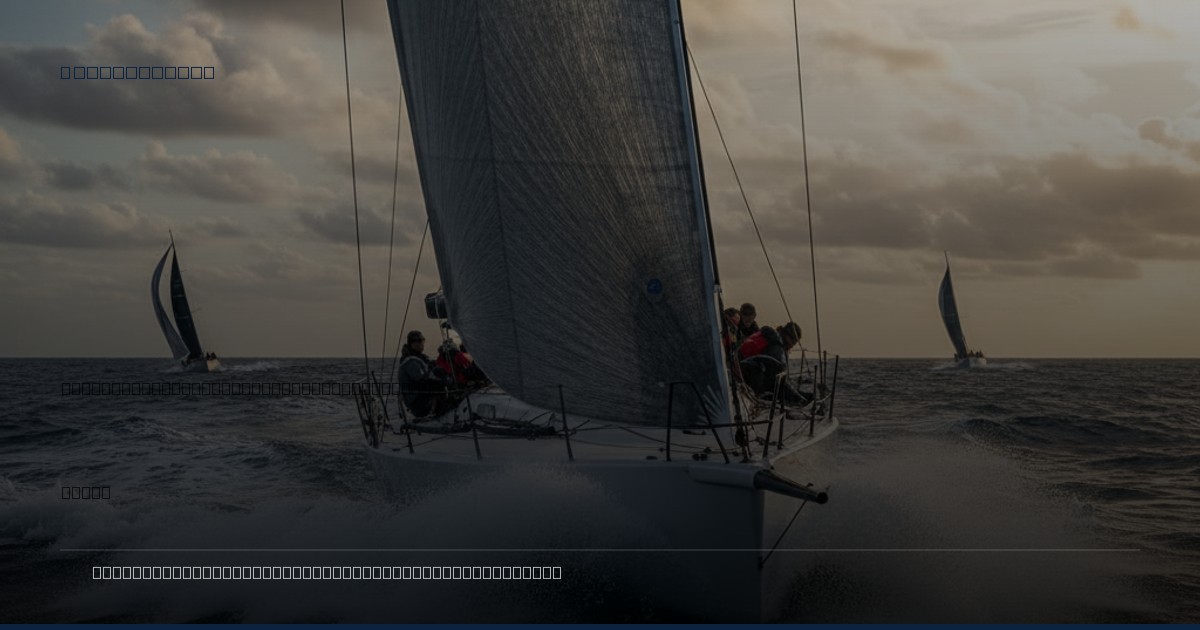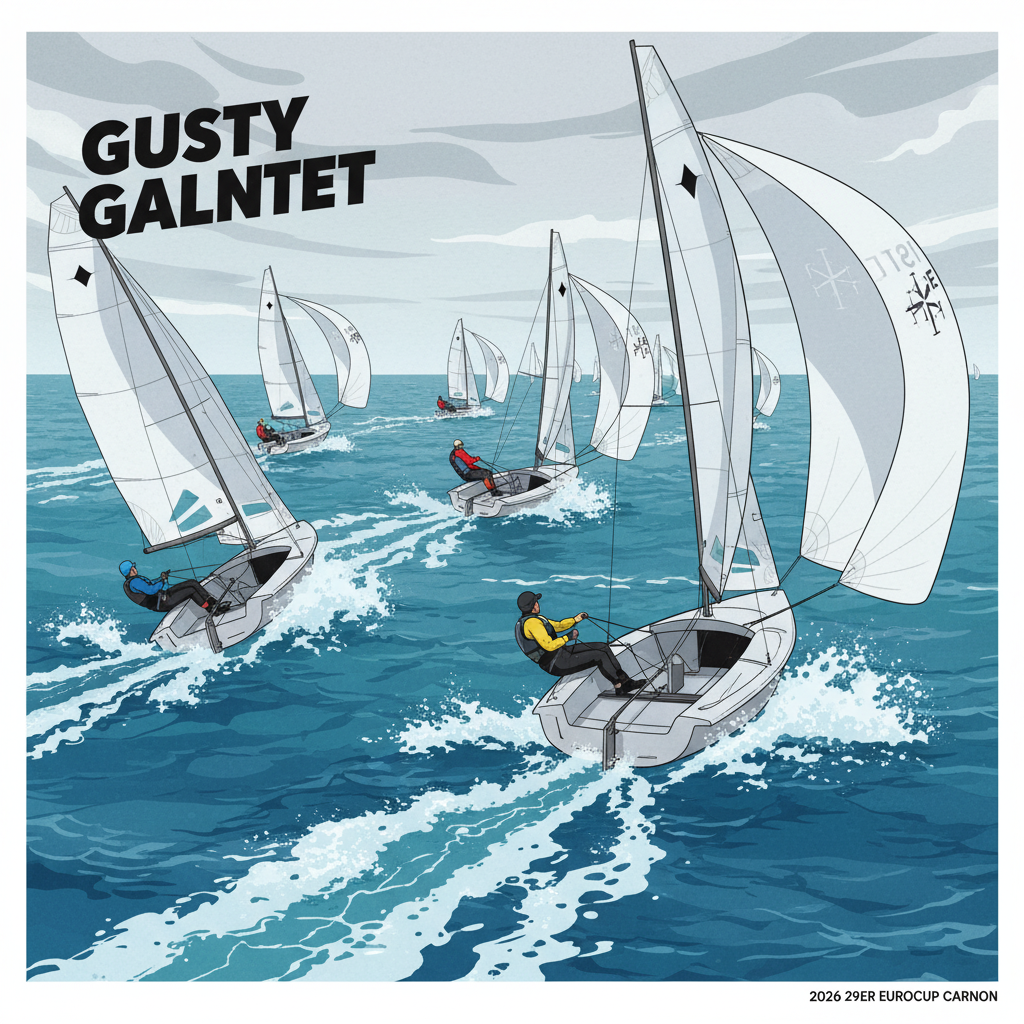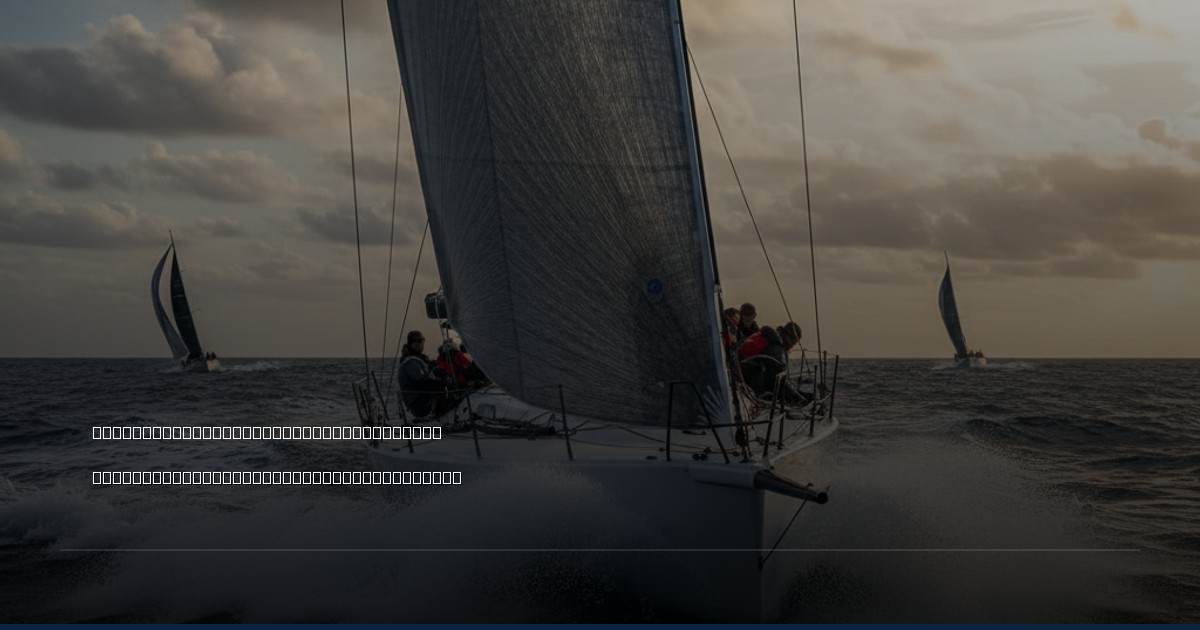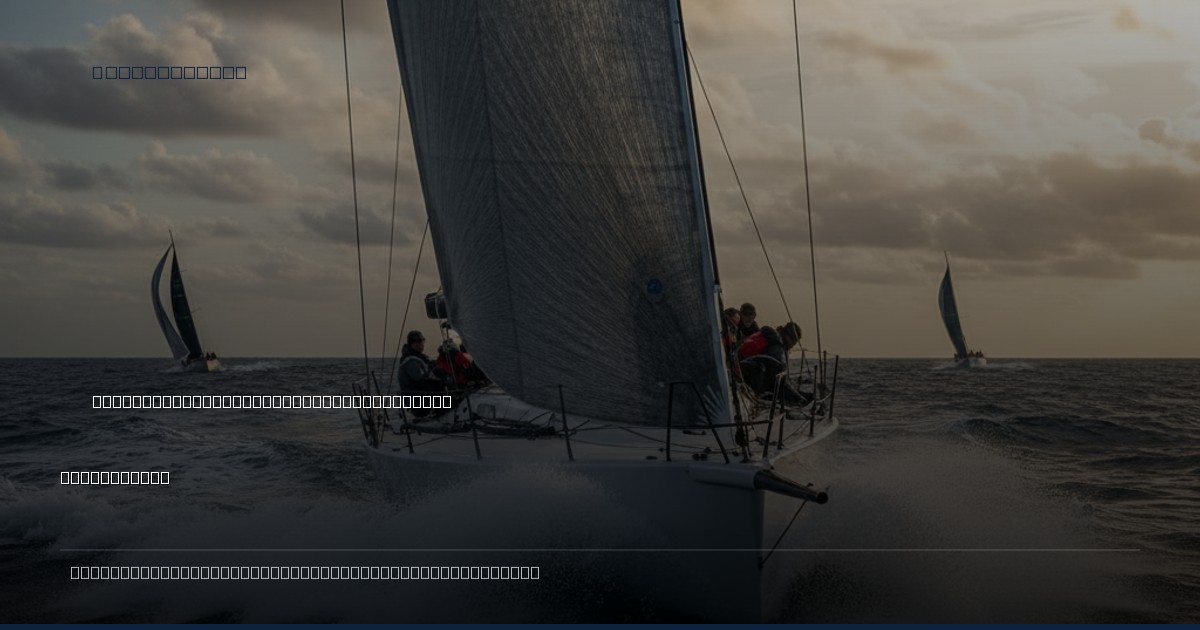
Adam Loory's 2019 insights on the virtues of weeknight racing, recently revisited by Sailing Scuttlebutt, resonate deeply with anyone who understands the foundational elements of competitive sailing. It's a stark reminder that while the glamour of a 75-foot foiling AC75 is captivating, the bedrock skills are honed not just on the grandest stages, but in the accessible, often understated crucible of local club racing.
Consider the tactical nuances. A low-pressure midweek twilight race offers an invaluable sandbox for refining starting line aggression, perfecting a port-tack approach, or executing a tight leeward mark rounding without the crushing weight of a major regatta. This isn't just about 'practice'; it's about embedding muscle memory and decision-making under duress, albeit a more forgiving kind. Think of it as the equivalent of Peter Burling or Jimmy Spithill spending a Tuesday afternoon refining their tacks and gybes in a smaller, less scrutinized boat – the principles remain the same.
Furthermore, the opportunity to blood a 'B Team' is a strategic masterstroke. The depth of talent within any top-tier program, be it Emirates Team New Zealand or INEOS Britannia, isn't built solely on the stars. It's the pipeline of skilled individuals ready to step up. Weeknight racing provides that vital proving ground, allowing less experienced crew to gain invaluable time on the helm, trim the North Sails 3Di upwind, or manage the Harken deck gear under race conditions. This cultivates a broader skill base, ensuring resilience when key 'weekend warriors' are unavailable. Ultimately, these local skirmishes, far from the glare of the international spotlight, are where the next generation of competitive sailors are truly forged.