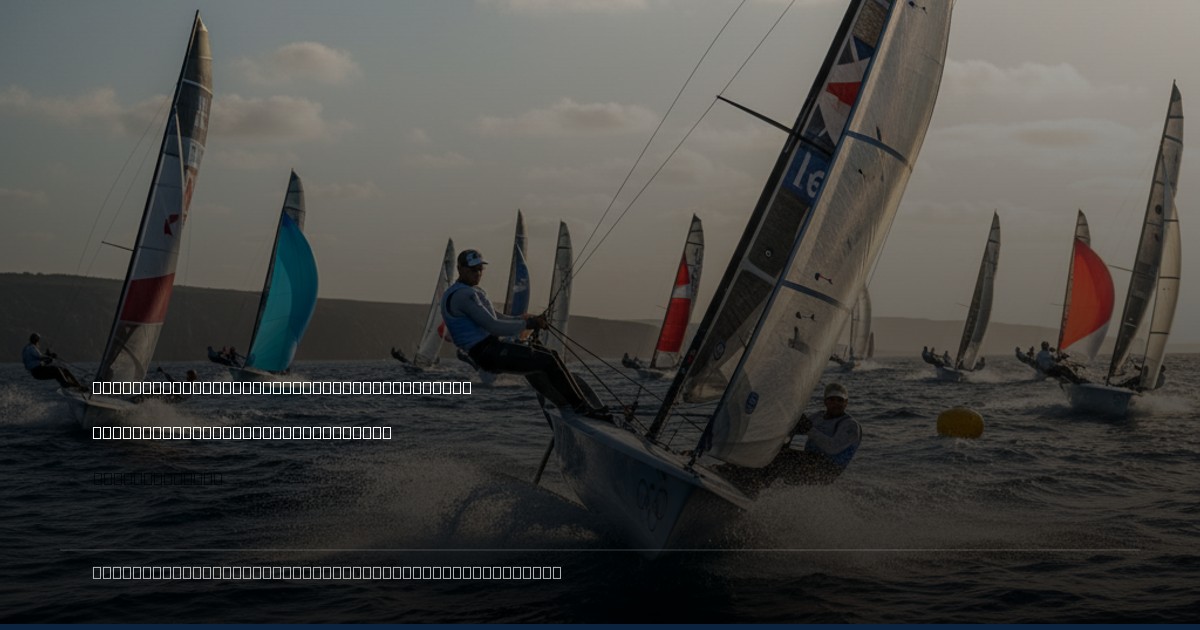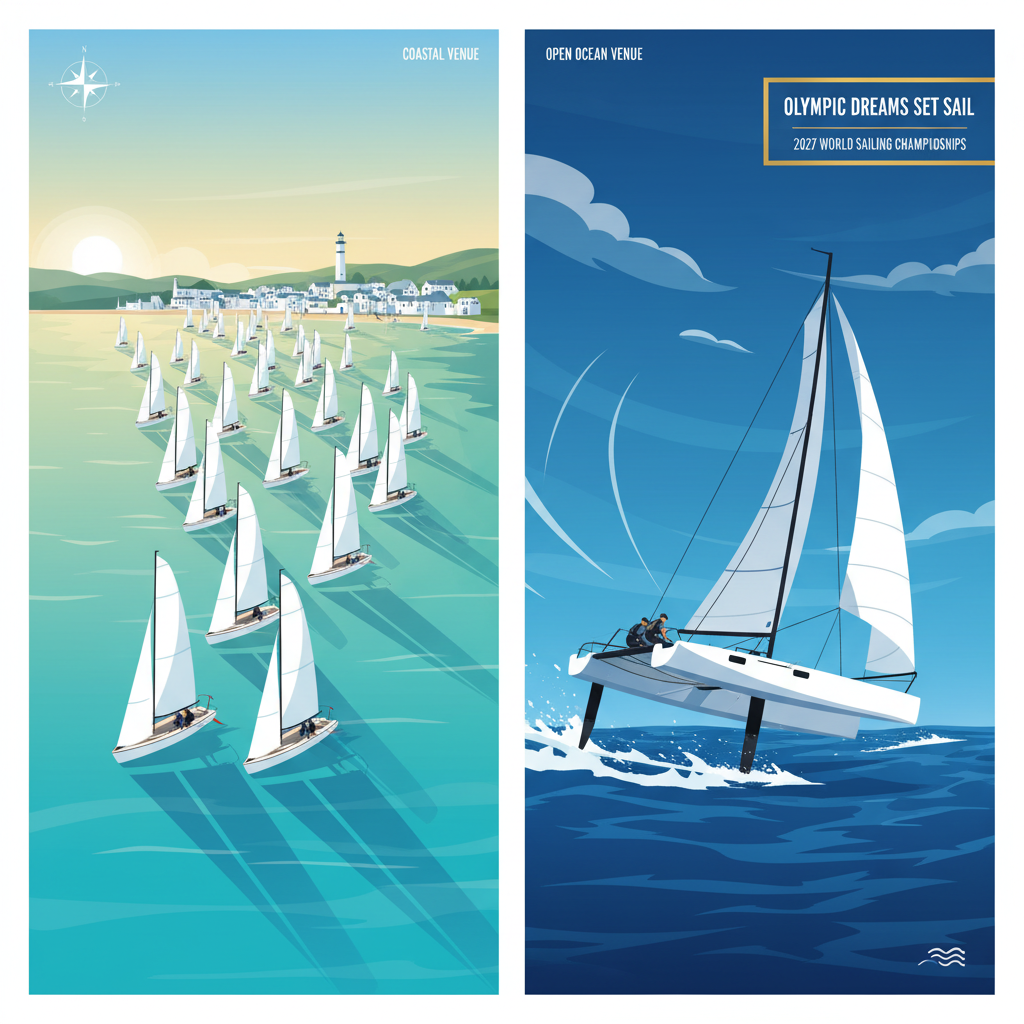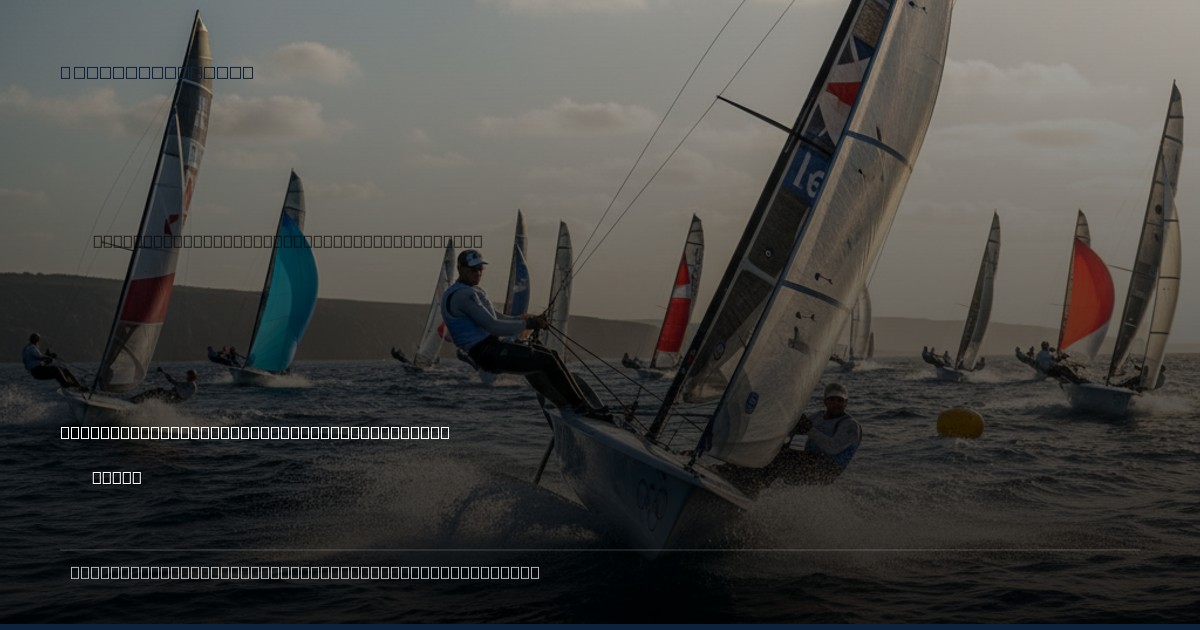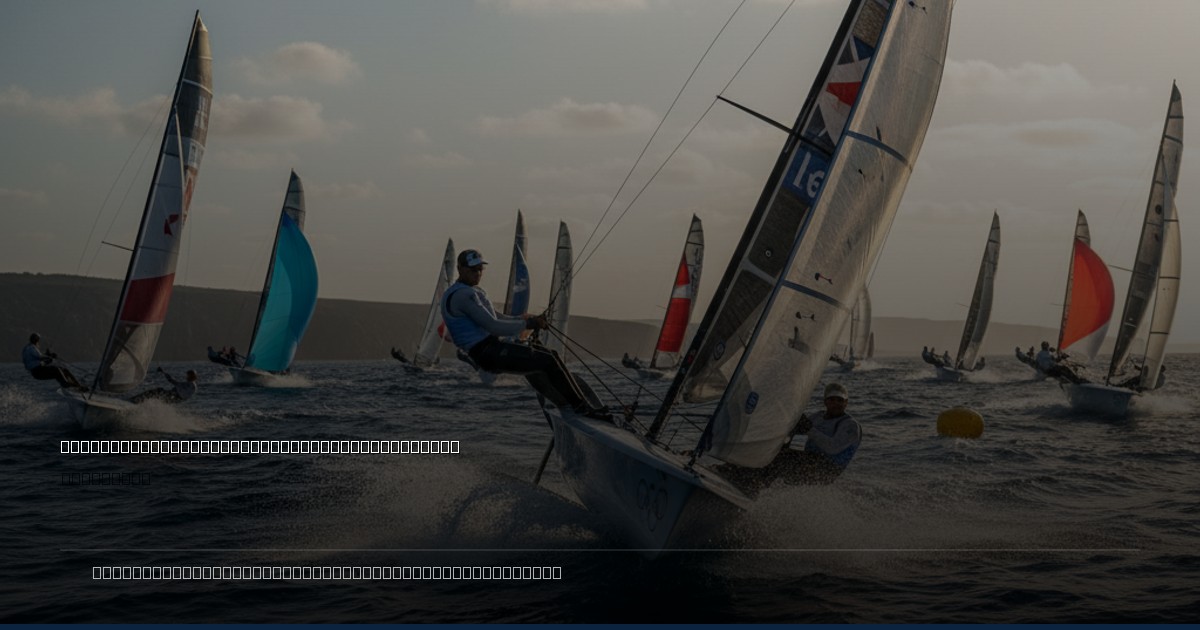
The sailing world has its sights firmly set on 2027, as World Sailing officially locks in the dates and, more intriguingly, the dual-venue format for its quadrennial World Championships. This isn't just another regatta; it's the crucible where Olympic aspirations are forged, bringing together all ten Olympic disciplines alongside the burgeoning Para Inclusive Sailing events. The decision to split the championship across two distinct locations—Fortaleza, Brazil, for the initial phase, with a second venue to be announced—is a bold strategic move that will undoubtedly challenge teams and their technical partners like North Sails and Harken in unprecedented ways.
For the elite sailors, from the nimble ILCA dinghies to the high-performance Nacra 17s, this dual-venue approach presents a fascinating tactical puzzle. Fortaleza, with its reputation for consistent trade winds and potentially challenging sea states, will demand a different set of skills and equipment optimization than a potential second venue, which could offer anything from light-air finesse to tidal gate mastery. This isn't merely about raw boat speed; it's about adaptability, meticulous weather routing, and the ability of shore teams to manage logistics across continents – a miniature America's Cup challenge in itself.
The implications for national sailing federations and their $100M-plus Olympic programs are significant. Resource allocation, training camps, and even the selection of specific equipment from suppliers like Southern Spars will need to factor in the diverse conditions expected. This 2027 championship isn't just a stepping stone to the Olympics; it's a comprehensive dress rehearsal, demanding the kind of strategic foresight and technical execution that defines champions like Peter Burling and Ben Ainslie. The stage is set for a truly global and demanding test of sailing prowess.