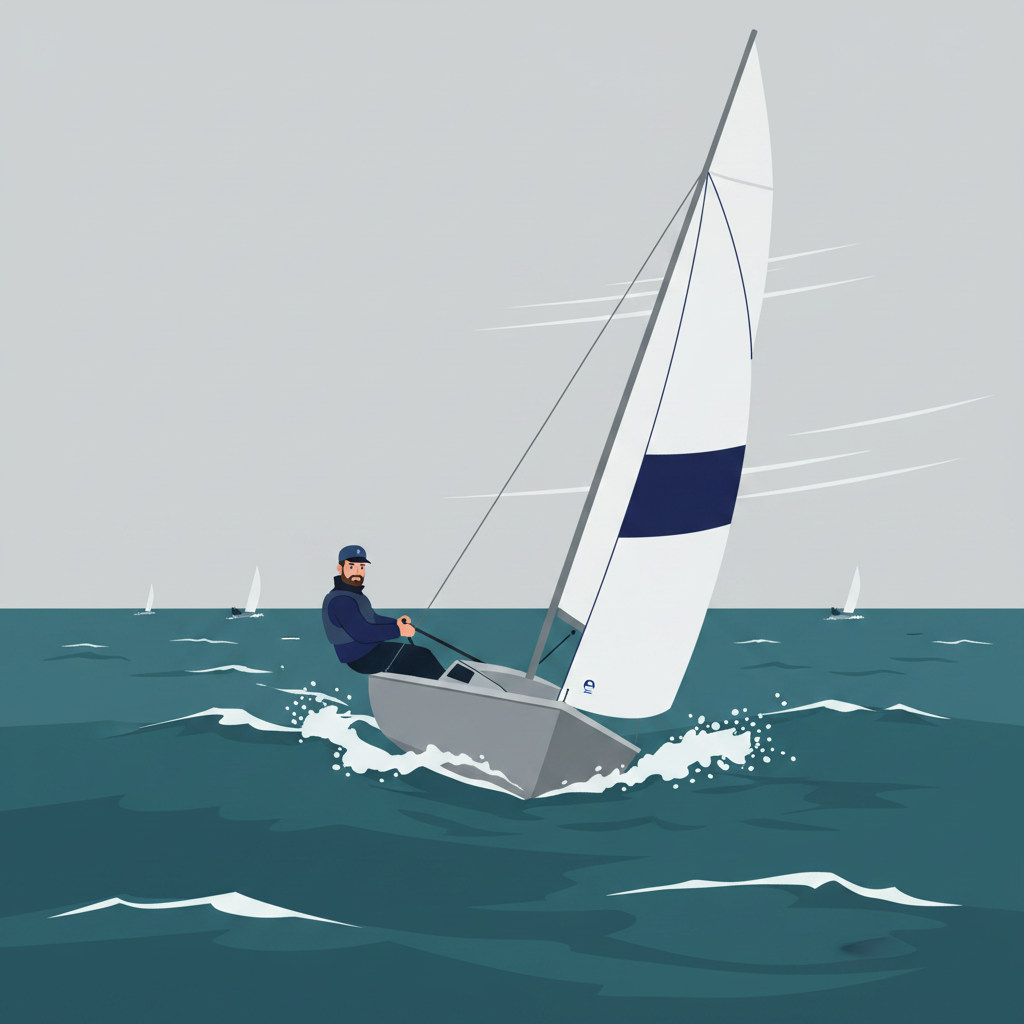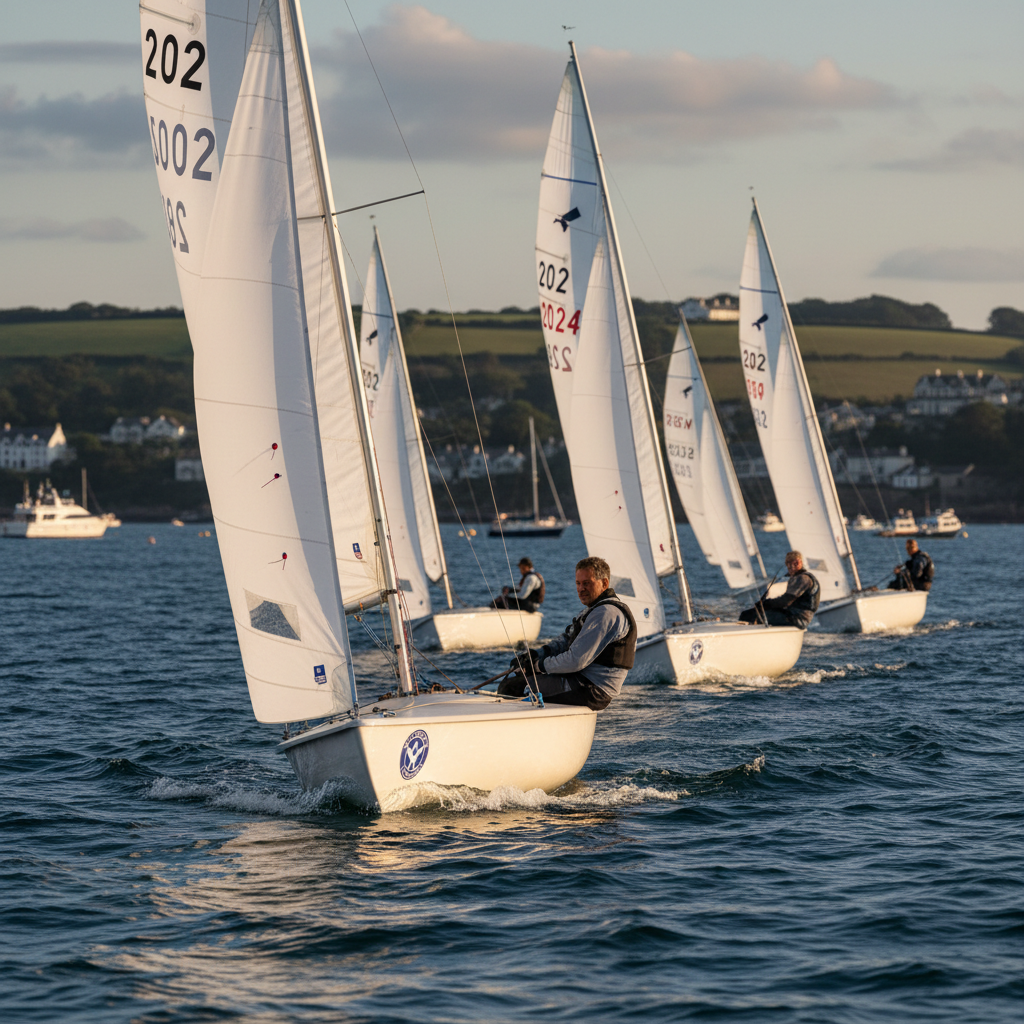
As the sailing world's gaze often fixes on the dizzying speeds of SailGP's F50s or the technological arms race of the America's Cup, it's easy to overlook the foundational brilliance unfolding in local waters. This past weekend, Salcombe Yacht Club's Spring Series Race 2 delivered just such a spectacle, with a dozen Solo dinghies and a swift handicap fleet gracing the sun-drenched estuary.
The Solo class, a stalwart of club racing, demands a nuanced understanding of wind and tide – skills that remain paramount whether you're navigating Salcombe's intricate channels or plotting a course through the Solent. With a glorious spring day providing the backdrop, the conditions likely presented a classic Salcombe challenge: shifty breezes funnelling through the valley, coupled with the ever-present tidal gates that can make or break a race. It's in these moments, where a perfectly timed tack or a shrewd read of the current can gain meters, that the true artistry of sailing is displayed.
While we might not see the carbon fiber wizardry of Southern Spars or the hydraulic finesse of Harken systems on these venerable dinghies, the principles of sail trim, boat speed, and strategic positioning are universal. The sailors on the Salcombe estuary, much like a young Peter Burling or Ben Ainslie cutting their teeth, were honing the very instincts that propel champions. This wasn't merely a club race; it was a living laboratory for the timeless craft of sailing, underscoring that the spirit of competition and the pursuit of sailing excellence thrive at every level of our sport.