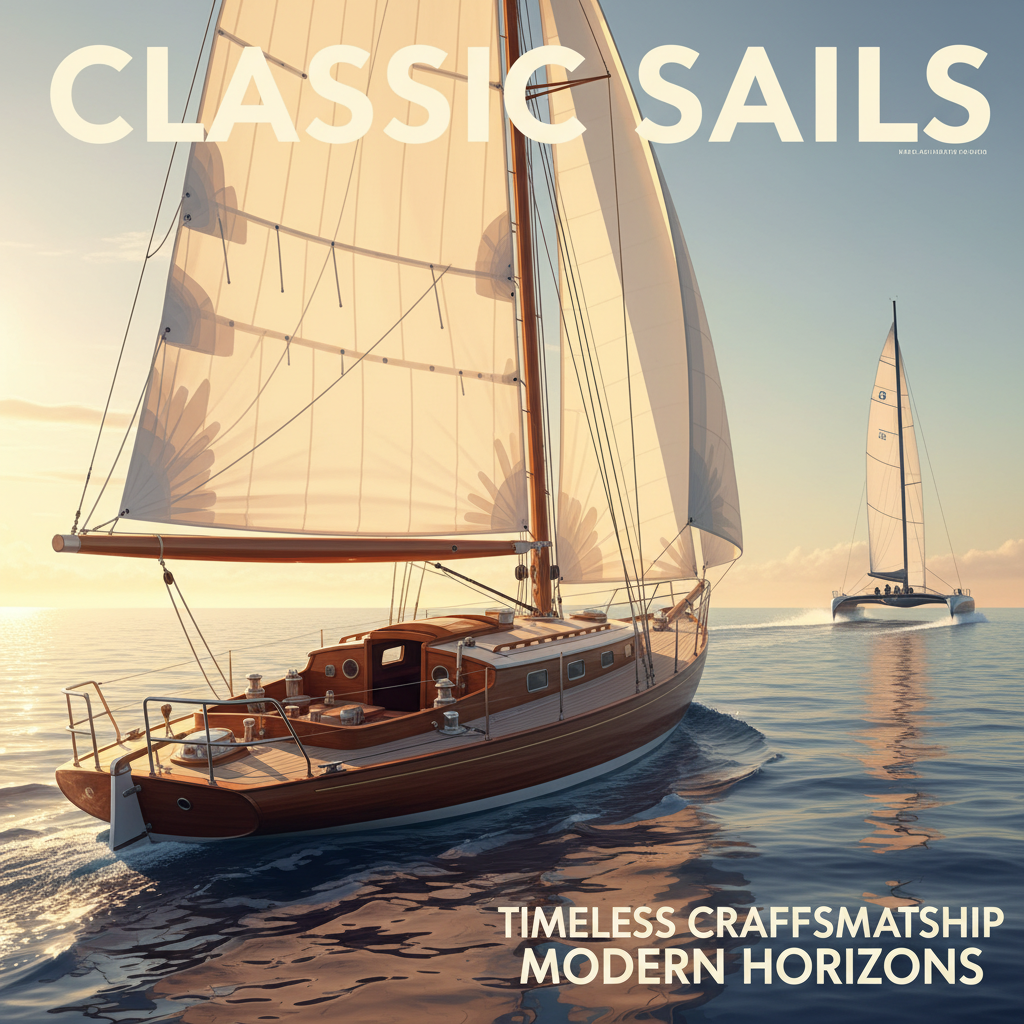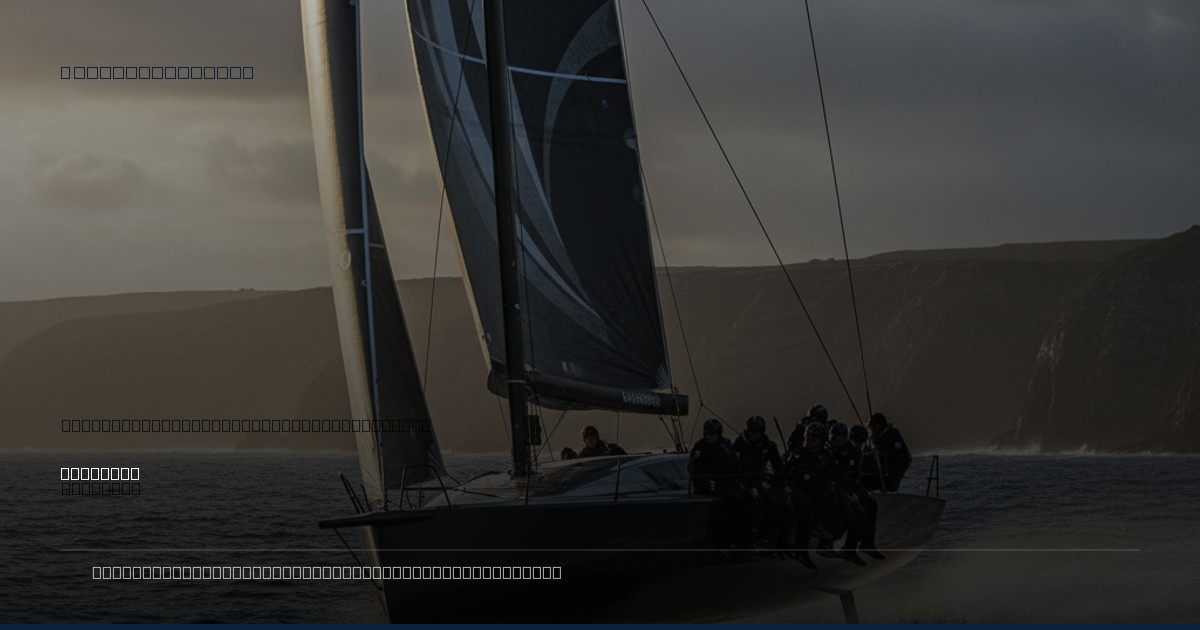
The International Maxi Association (IMA), founded in 1979, emerged from an era where the term 'maxi' conjured images of majestic monohulls, titans like *Kialoa* and *Il Moro di Venezia*, battling under the complex dictates of the IOR rating rule. These were yachts of immense power and presence, pushing the boundaries of conventional naval architecture and demanding the very best from crews and designers alike. The competitive landscape was defined by these grand dames of the ocean, a spectacle of canvas and steel that captivated the sailing world.
Fast forward to today, and the 'maxi' moniker still holds weight, but the vessels it describes have undergone a radical metamorphosis. While the spirit of pushing limits remains, the technology has exploded. We’ve moved from the deep keels and towering masthead rigs of the IOR era to the sleek, hydrofoiling wonders that now dominate the cutting edge. Think of the AC75s, though not strictly IMA maxis, as the spiritual descendants – the relentless pursuit of speed and efficiency, albeit with a radically different approach to hydrodynamics.
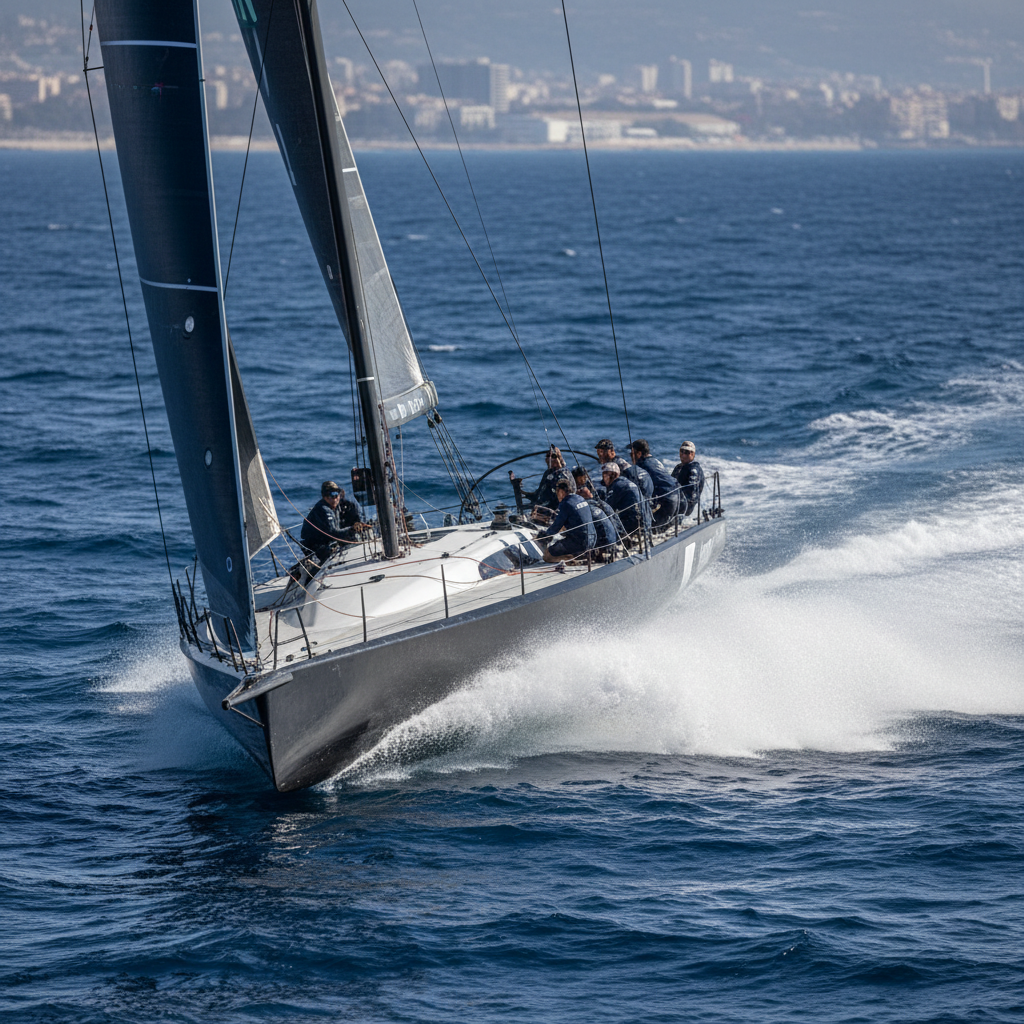
Today's maxi fleet encompasses a breathtaking diversity: from the grand prix TP52s and IRC 72s that demand precision and tactical brilliance, to the supermaxis that blend luxury with blistering performance. The materials have evolved from aluminum and fiberglass to advanced composites, often featuring Southern Spars rigs and Harken deck gear that would have been unimaginable just a few decades ago. The strategic nuances of wind shifts and tidal gates remain paramount, but now they are often coupled with the intricate dance of foil trim and wing sail management. The IMA's enduring relevance lies in its ability to embrace this evolution, fostering competition across a spectrum of design philosophies, ensuring that the legacy of these magnificent machines continues to inspire and innovate for generations of sailors to come.