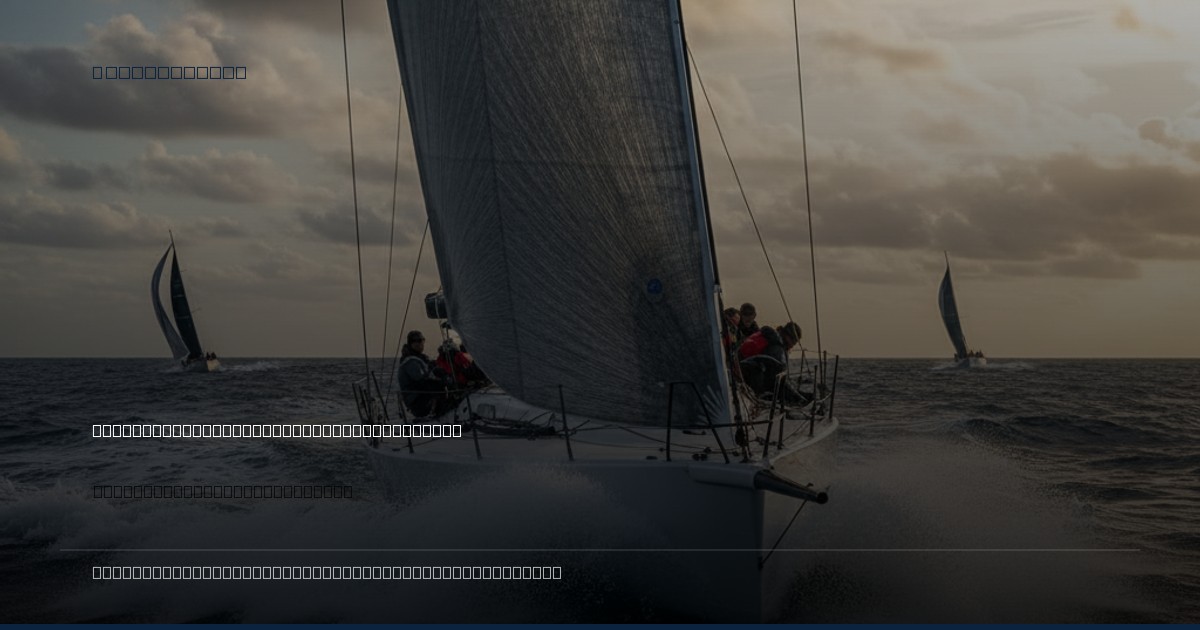
The recent NCAA Men's Basketball Tournament, with its nail-biting finishes and underdog triumphs, served as a potent reminder of what it takes to perform at the pinnacle of any sport. From Purdue's gritty stand against Texas to the epic showdown between UConn and Duke, the 'madness' on the hardwood echoes the relentless pressure and strategic brilliance demanded on the water, particularly in the grand prix sailing circuits we cover.
Consider the America's Cup, where campaigns like Emirates Team New Zealand and INEOS Britannia invest hundreds of millions, not just in cutting-edge foiling technology and Southern Spars rigs, but in the human element. The precision required to execute a perfect foiling gybe on an AC75, or to manage the complex interplay of wing sails and hydrofoils, demands the same mental fortitude and split-second decision-making as a buzzer-beater three-pointer. Just as a basketball coach meticulously plans offensive and defensive plays, Peter Burling or Ben Ainslie are constantly analyzing wind shifts, tidal gates, and the tactical nuances that can mean the difference between victory and an early exit.
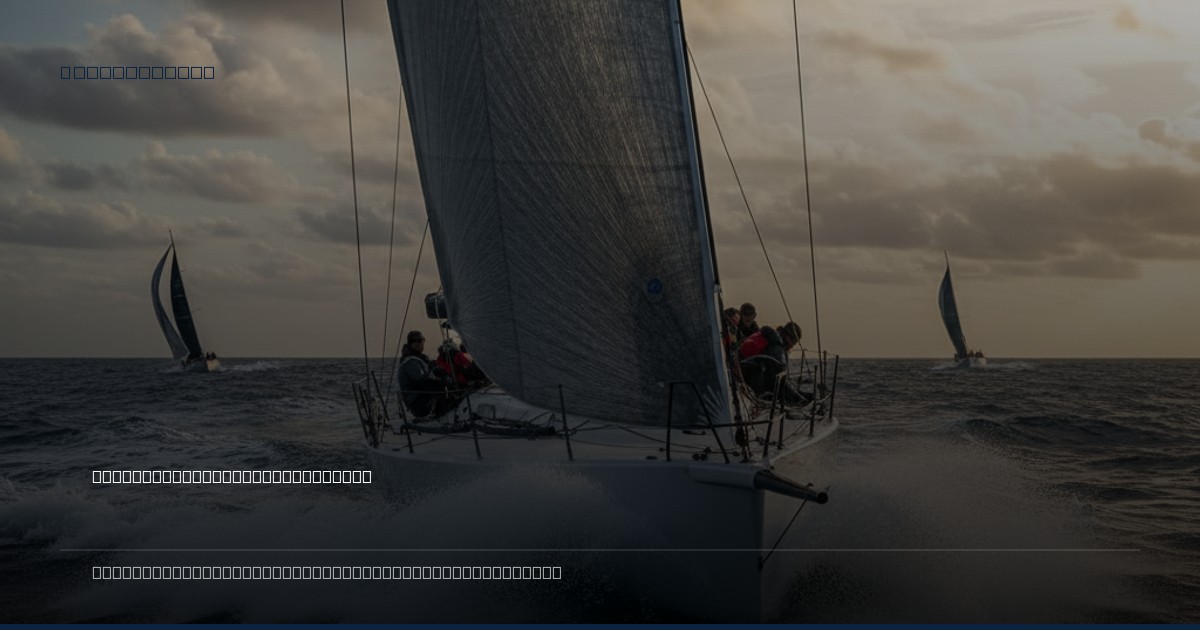
SailGP, with its lightning-fast F50 catamarans, offers a similar spectacle of high-octane competition. The 'game of the ages' between UConn and Duke finds its parallel in the tight cross-overs and daring maneuvers that define a SailGP fleet race. The margin for error is minuscule, and the ability to adapt to changing conditions – be it a sudden gust or a tactical blunder by a competitor – is paramount. And in the relentless grind of The Ocean Race, where crews battle the elements for weeks on end, the mental toughness required to persevere is perhaps the ultimate testament to a sailor's competitive spirit. The lessons from the court, it seems, are universal: to be the best, you must embrace the madness, master the strategy, and perform under unimaginable pressure.