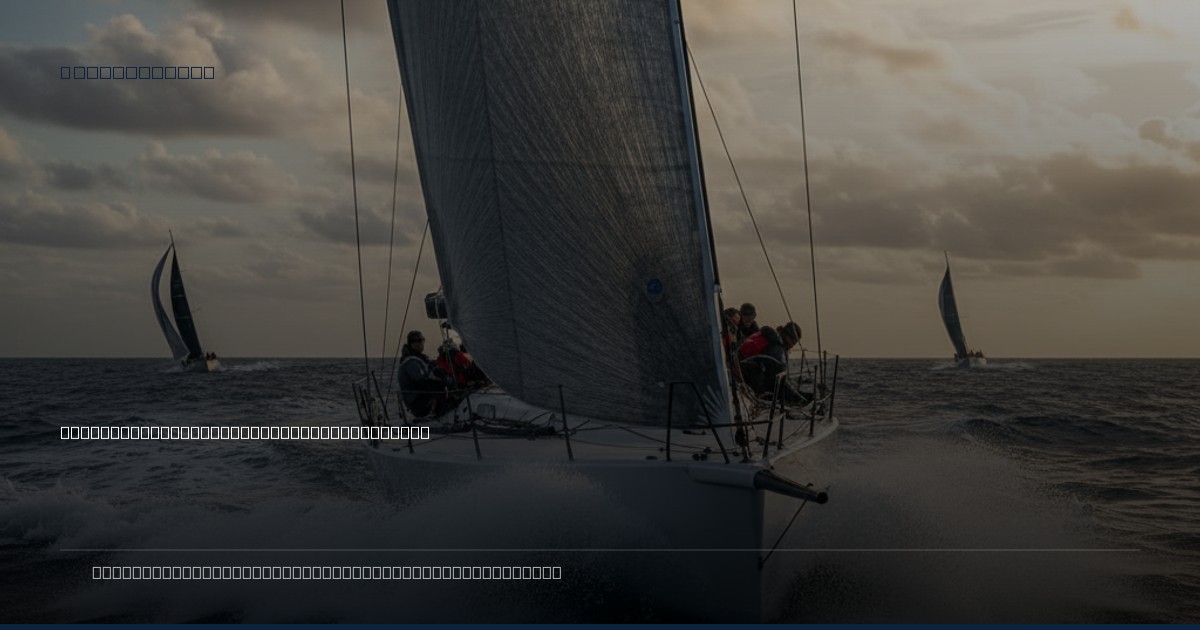
For those of us who live and breathe the relentless pursuit of speed and tactical advantage on the water, the annual March Madness phenomenon might seem a distant shore. Yet, since 1988, a unique tradition born in Annapolis has bridged the gap: Scuttleball. This college hoops pool, initially a friendly wager among sailing aficionados, has evolved into a venerable institution, drawing in minds accustomed to dissecting wind shifts and tidal gates.
While Peter Burling might be calculating laylines for Emirates Team New Zealand or Ben Ainslie strategizing a foil-borne tack for INEOS Britannia, come March 15th, their focus, like many of ours, will momentarily pivot to the 68 teams vying for basketball glory. The same analytical rigor applied to weather routing for The Ocean Race or predicting the next America's Cup cycle is now turned towards upset specials and Cinderella stories.
It's a fascinating intersection. The precision required to optimize a Southern Spars rig, or the strategic depth needed to outmaneuver a rival on the grand prix circuit, finds an unlikely parallel in predicting the unpredictable chaos of a single-elimination tournament. Who among the sailing world's sharpest minds – perhaps a veteran tactician or a data analyst from a $100M America's Cup campaign – will prove to have the keenest eye for athletic performance off the water? The Scuttleball bracket isn't just about basketball; it's a testament to the competitive spirit that defines our sport, finding expression in an entirely different arena. May the best navigator win.