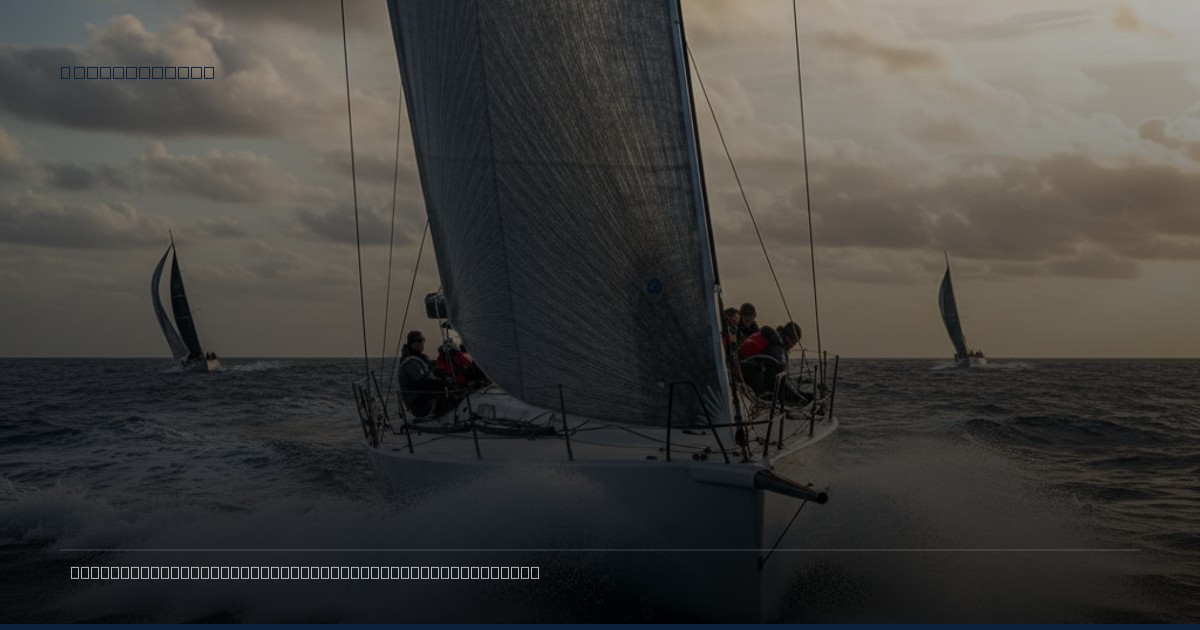
The relentless march of the winter sailing calendar often brings with it a familiar foe: the weather. This past weekend, the Medway RC Laser Club found themselves grappling with conditions that, while perhaps not the 40-knot gales we’ve seen in The Ocean Race Southern Ocean legs, nonetheless proved disruptive. Following two prior weekends lost to the elements and, tellingly, absenteeism – a challenge familiar to even the most well-funded America's Cup campaigns when key personnel are unavailable – Day 10 of their Winter Series hung precariously in the balance.
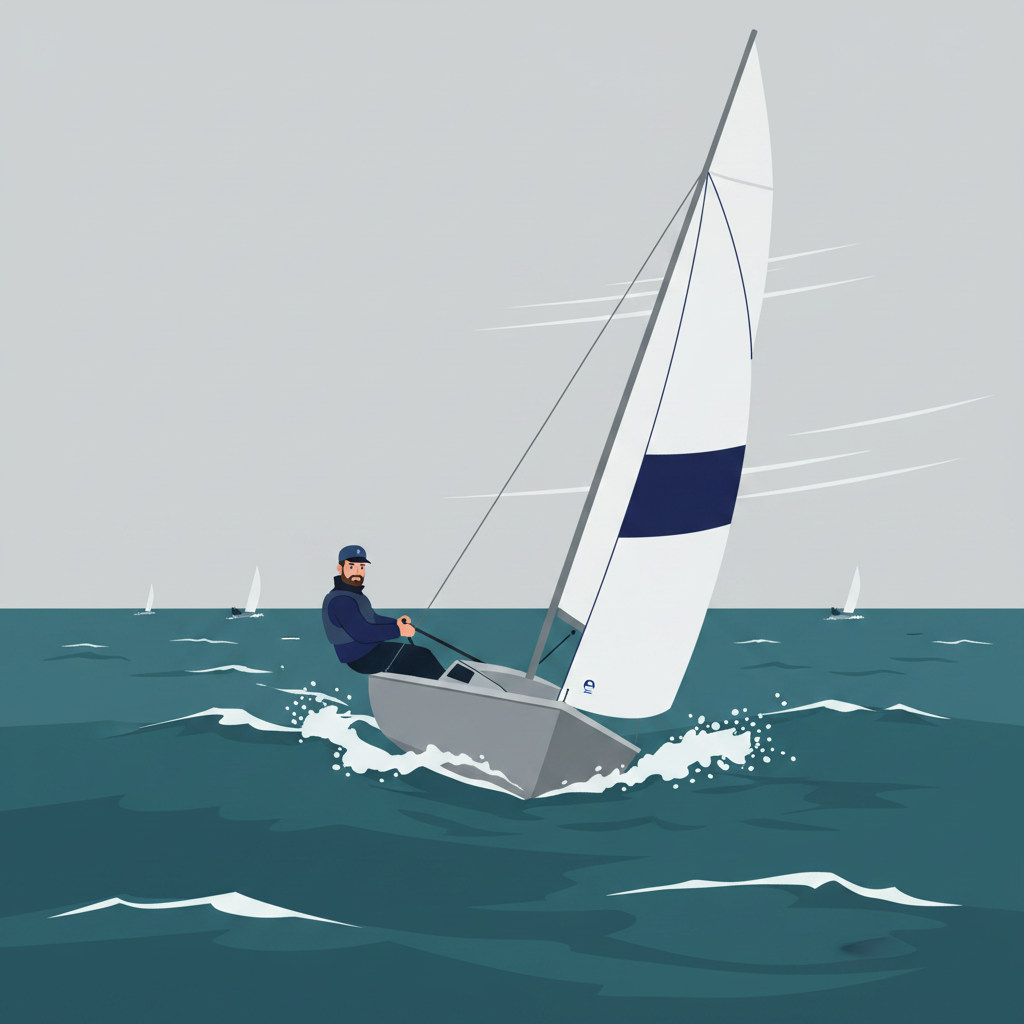
The forecast called for a robust SSW breeze, clocking in at a blustery 15-20 knots. For many, this would be considered prime sailing, a chance to really lean on the rig and feel the boat accelerate. However, for the precision required in RC Laser racing, and given the exposed nature of many winter venues, such conditions can quickly turn from exhilarating to unmanageable. It speaks volumes about the dedication of the RC community that the event was even contemplated.
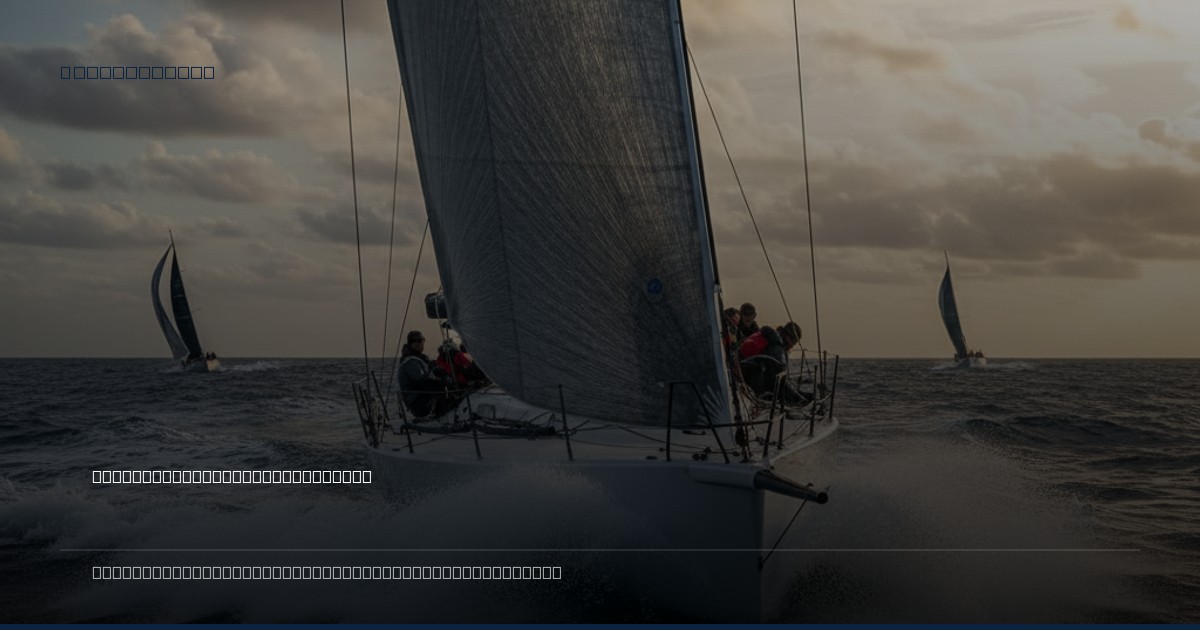
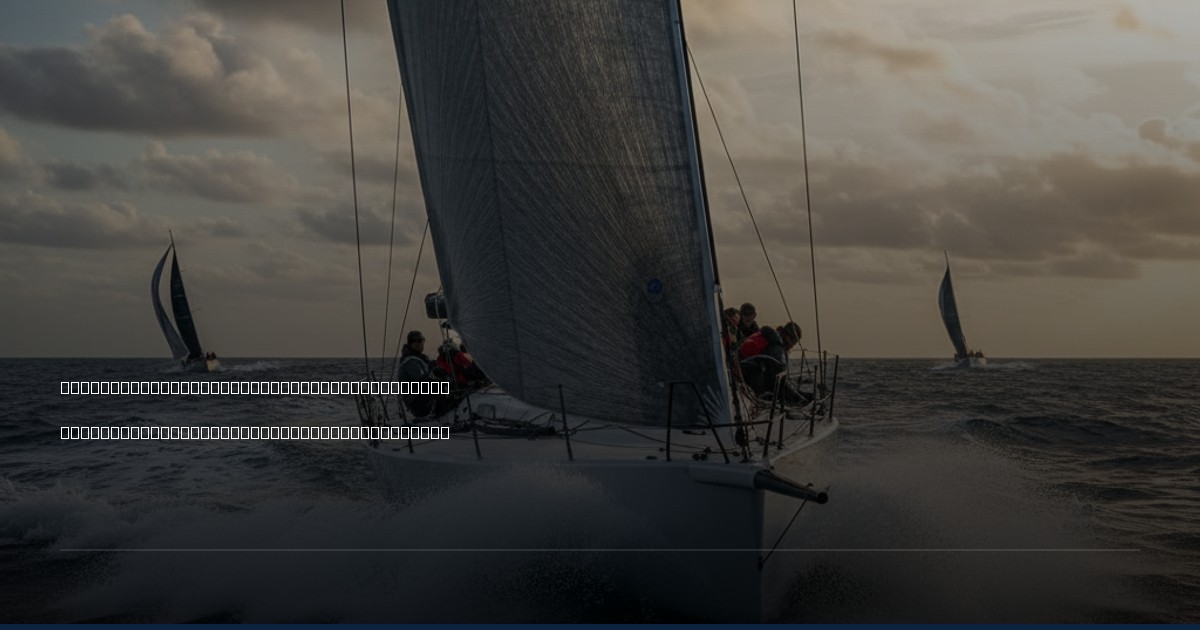
This scenario, though on a vastly different scale, mirrors the strategic dilemmas faced by top-tier teams. Imagine Peter Burling and the Emirates Team New Zealand strategists debating a race start in similar conditions, weighing the risk of gear failure – a broken Harken block or a damaged North Sails membrane – against the potential for a race-winning advantage. Or Ben Ainslie's INEOS Britannia, meticulously analyzing tidal gates and wind shifts, knowing that a single gust could be the difference between a podium finish and a capsize.
The challenges of winter racing, whether on a full-sized grand prix machine or a finely tuned RC Laser, underscore a universal truth in sailing: the wind and waves are the ultimate arbiters. Their unpredictable nature demands adaptability, resilience, and a deep understanding of one's equipment and limitations. Even when the stakes are miniature, the lessons are profound.