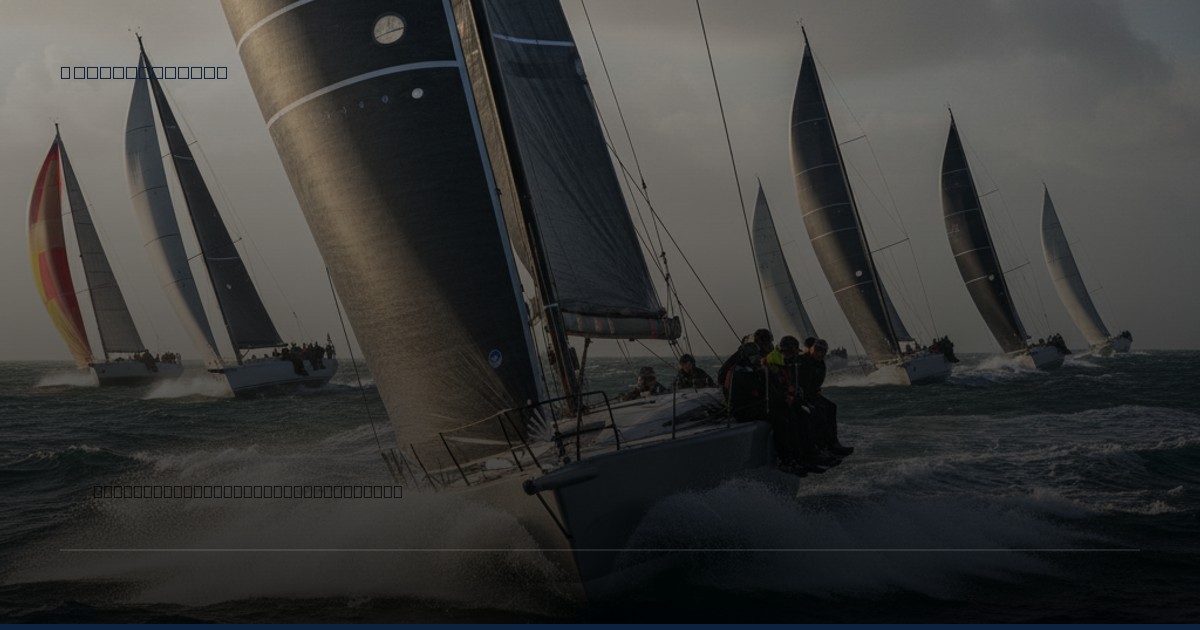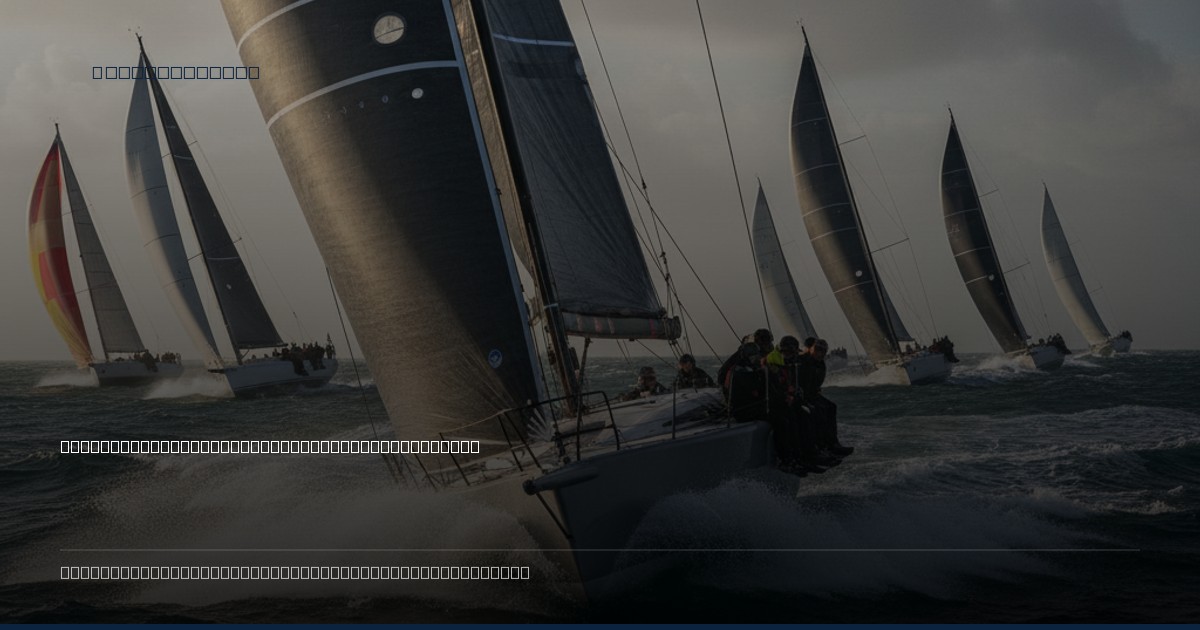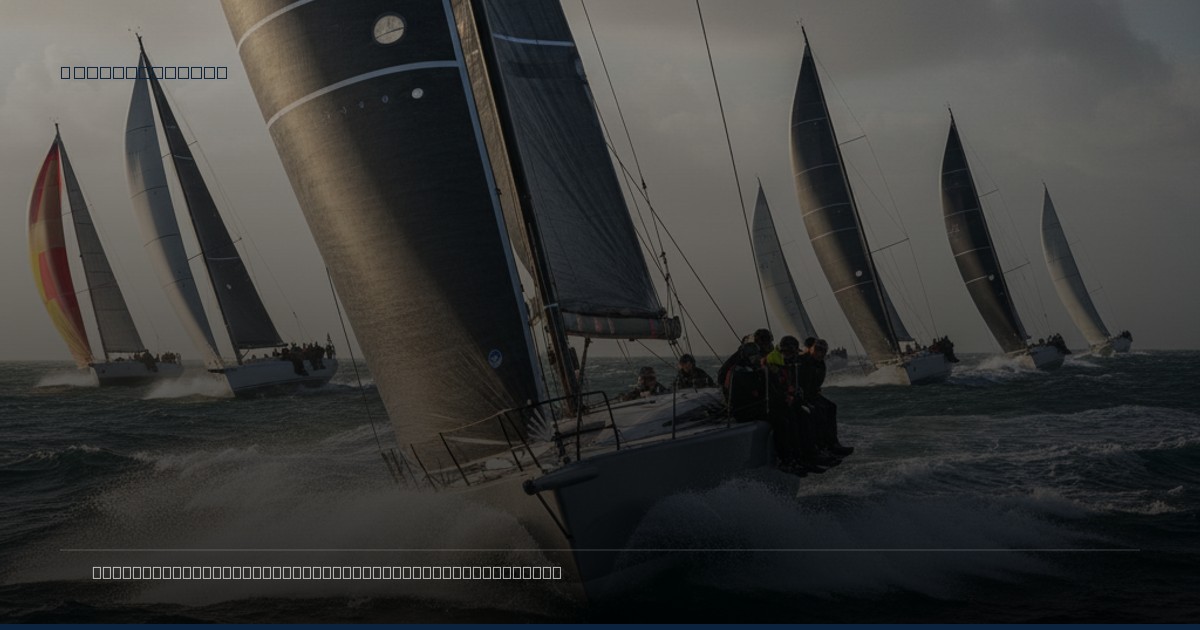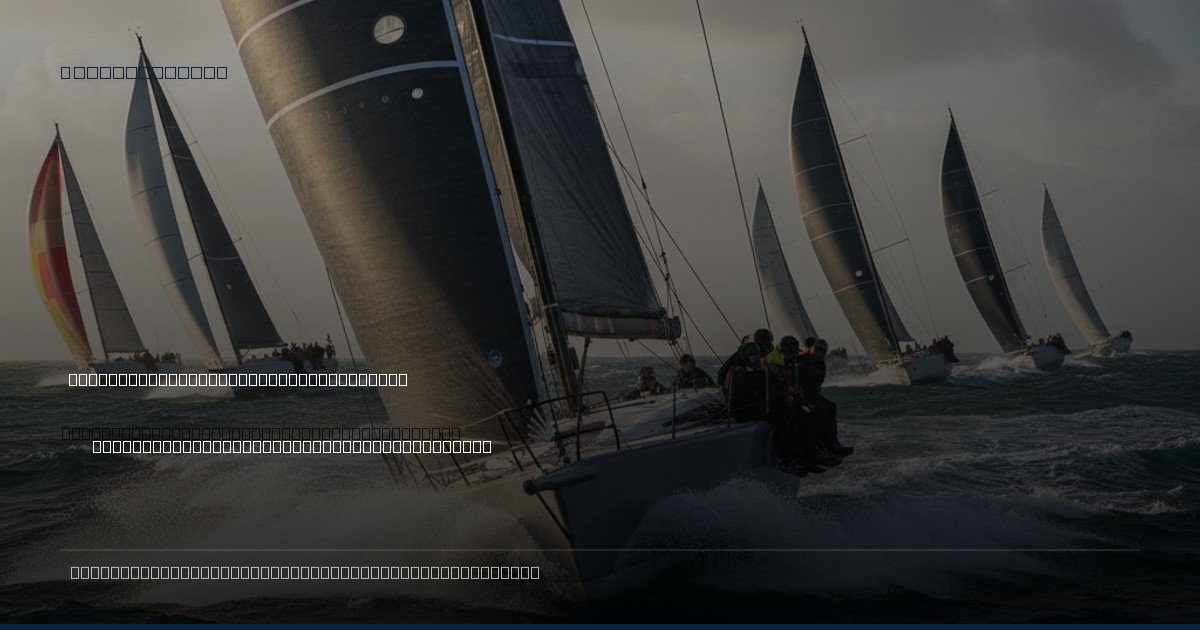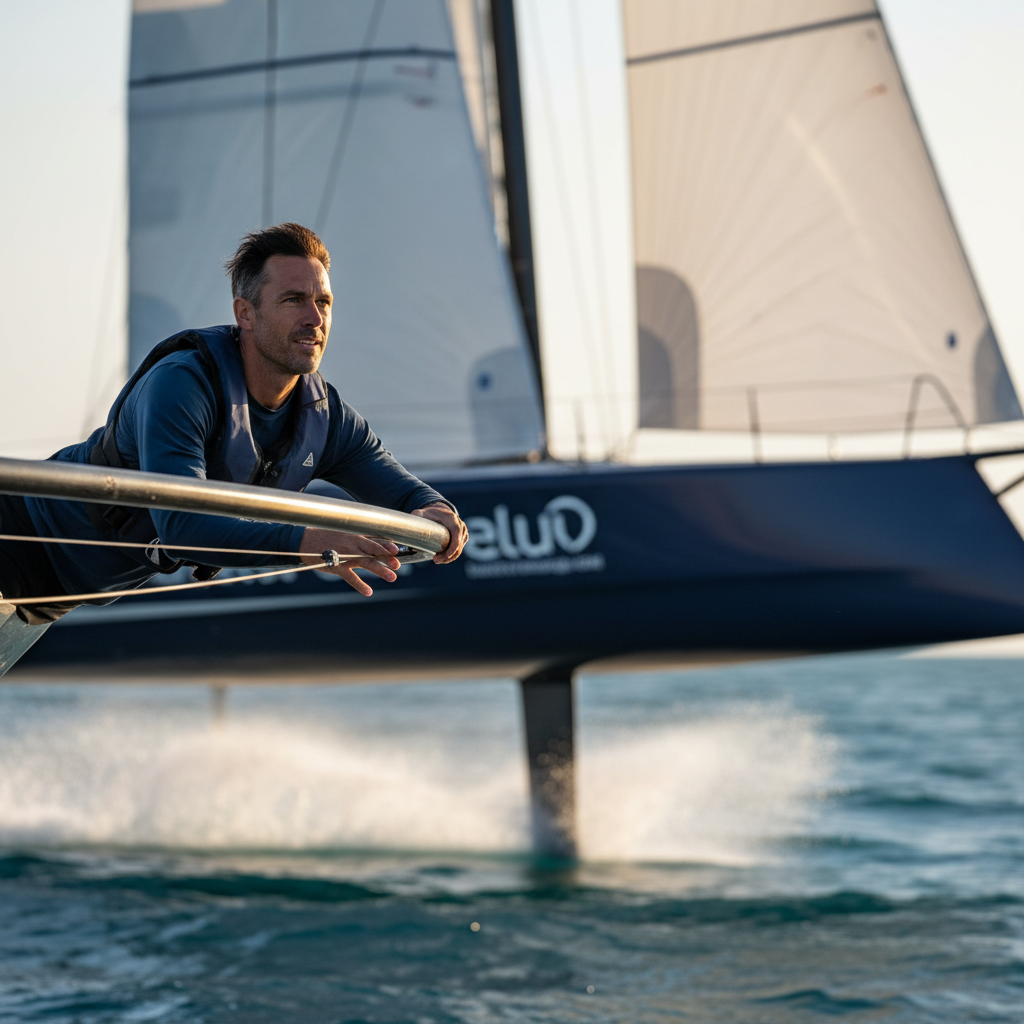
For a generation of sailing enthusiasts, the America's Cup was an exclusive club, a spectacle of power and precision where even a glimpse into the cockpit was a privilege. The tragic death of Andrew 'Bart' Simpson in 2013 during an AC72 training run in San Francisco irrevocably altered that landscape, slamming shut the door on guest passengers aboard the cutting-edge, high-performance catamarans. Safety, quite rightly, became paramount, and the subsequent AC75 monohulls, with their dizzying speeds and complex foiling dynamics, seemed to cement that exclusion.
Yet, whispers from the inner sanctum suggest a fascinating reconsideration. The AC75, a marvel of naval architecture, presents a unique proposition. Unlike the exposed cockpits of the AC72s, the AC75s feature a more enclosed, protected environment, particularly in the aft sections where the grinders and flight controllers operate. This inherent design characteristic, coupled with a decade of advancements in safety protocols, emergency systems, and crew training – not to mention the robust structural integrity engineered by outfits like Southern Spars and the precise control offered by Harken hydraulics – is prompting a re-evaluation.
While the raw, visceral experience of an AC72 ride-along is unlikely to be replicated, the potential for a carefully managed guest program on the AC75s is gaining traction. Imagine the marketing potential, the engagement for sponsors, and the sheer thrill for a select few to witness the ballet of a wing-sailed yacht from within, feeling the G-forces as Peter Burling or Ben Ainslie coax another knot from the carbon fiber beast. This isn't about casual joyrides; it's about controlled access, perhaps for key stakeholders or charity initiatives, meticulously planned and executed. The Cup, ever evolving, might just be ready to open its doors – albeit cautiously – once more.