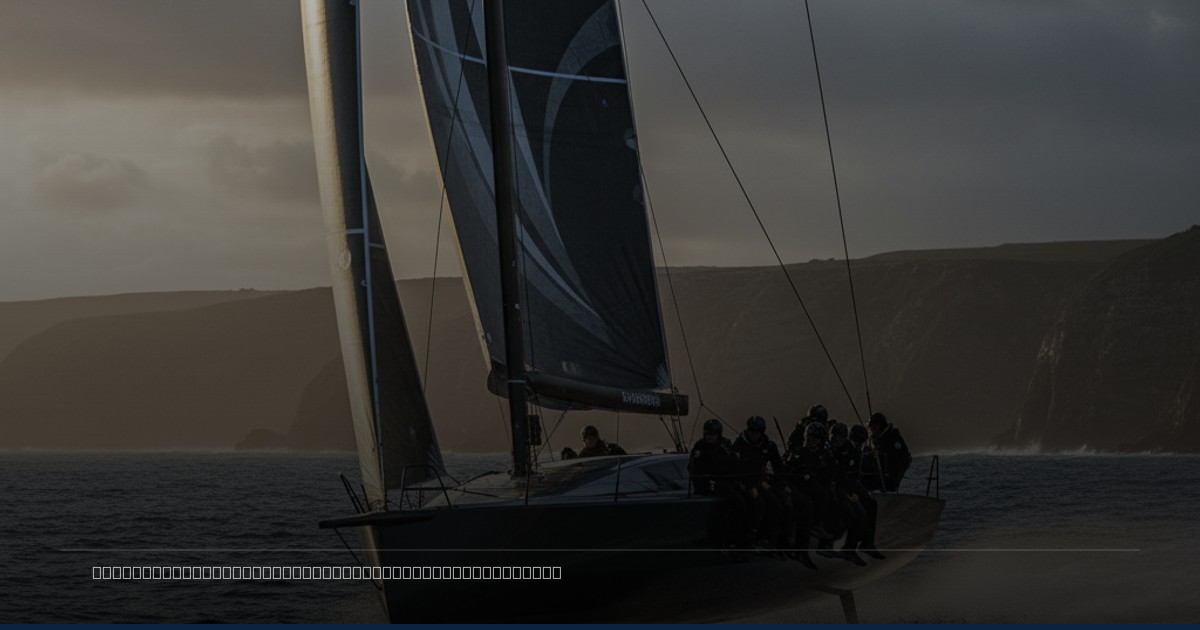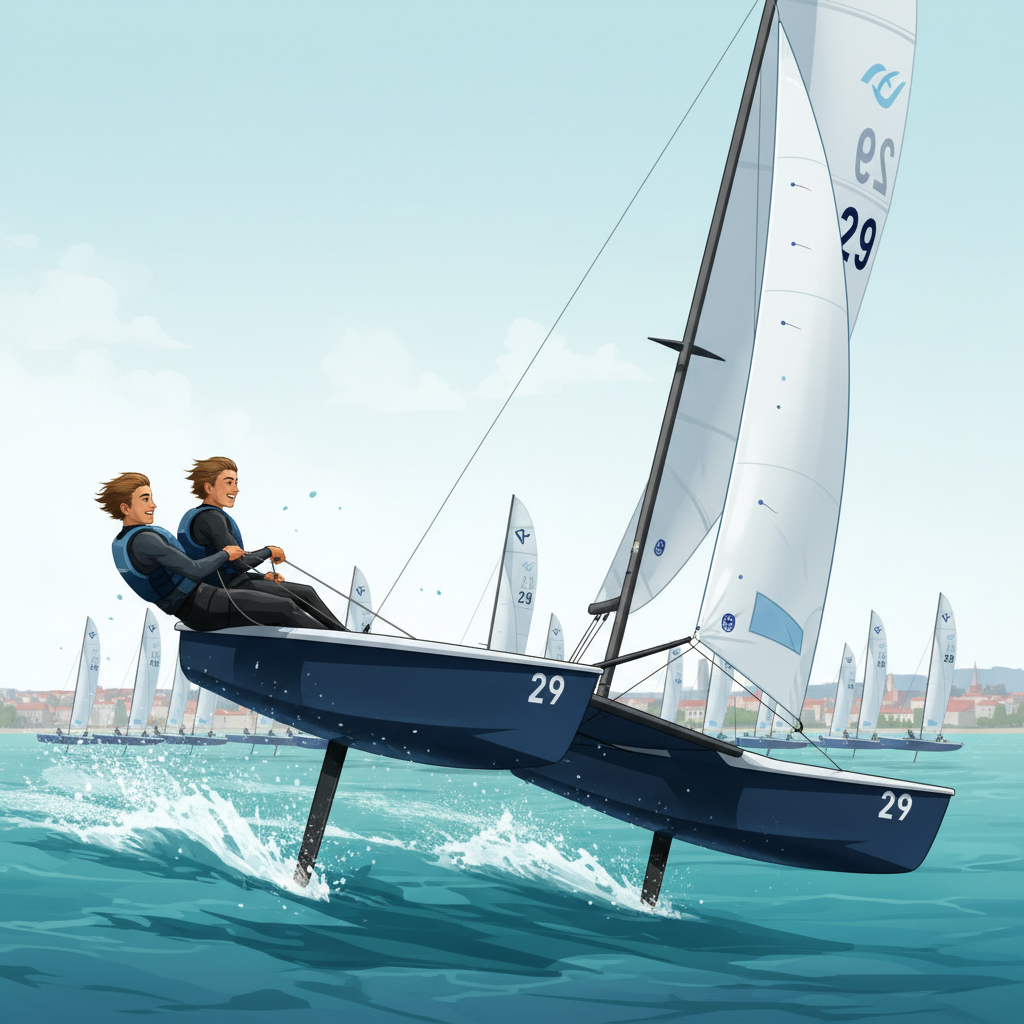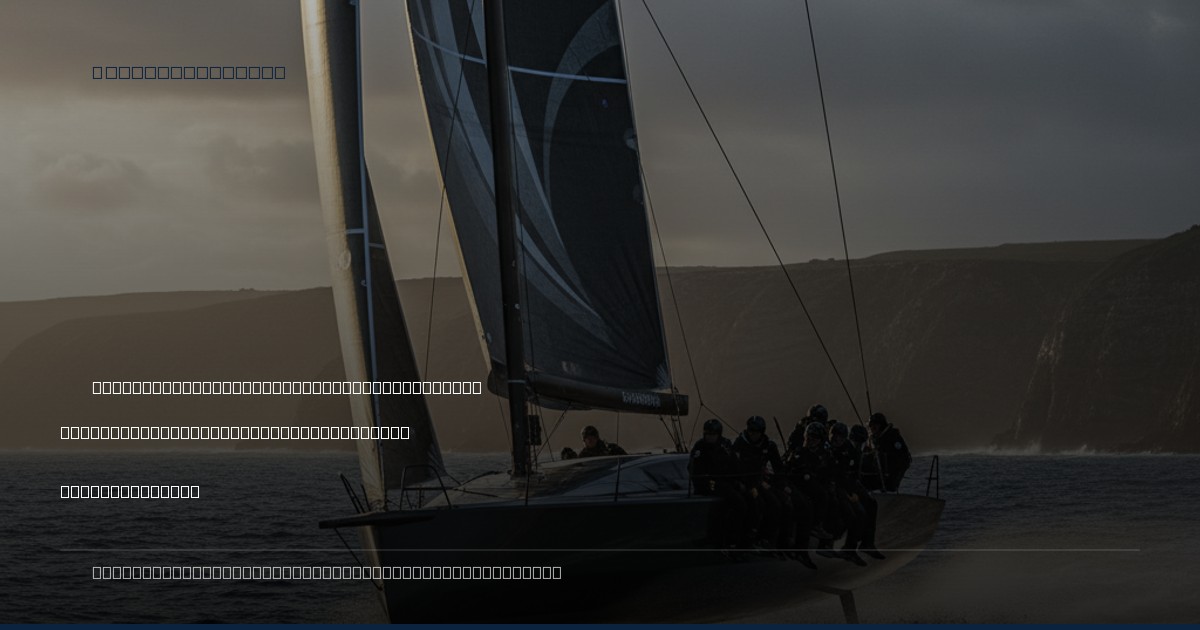
The memory of May 2013, when Andrew 'Bart' Simpson tragically lost his life during an America's Cup training run in San Francisco, remains a stark reminder of the inherent dangers at the apex of our sport. That pivotal moment irrevocably altered the landscape of guest participation, effectively closing the door on the long-standing tradition of civilians experiencing the raw power of these magnificent racing yachts firsthand. The transition to the AC72s, then the AC50s, and now the AC75s, brought with it an exponential leap in speed and complexity, demanding a complete overhaul of safety regulations, from onboard medical personnel to advanced chase boat protocols.
Yet, the allure of the America's Cup, that intoxicating blend of technological marvel and human endeavor, continues to captivate. For years, the question has lingered: how can we share this spectacle without compromising safety? The initial AC75s, with their enclosed cockpits and blistering speeds, seemed to solidify the 'no guest' policy. However, whispers from within the syndicates, particularly those with an eye on commercial viability and fan engagement, suggest a renewed push to reintroduce a limited, highly controlled guest experience.
This isn't about throwing caution to the wind. Any such initiative would undoubtedly involve a new generation of safety measures, perhaps even purpose-built 'guest pods' or highly restricted access during non-competitive sails. The challenge lies in balancing the undeniable marketing and sponsorship benefits of a 'ride-along' with the paramount need to protect human life. As Emirates Team New Zealand, INEOS Britannia, Luna Rossa, and American Magic push the boundaries of what's possible on the water, the debate over sharing that experience with a select few will undoubtedly continue to be a delicate and closely scrutinized conversation within the America's Cup community.