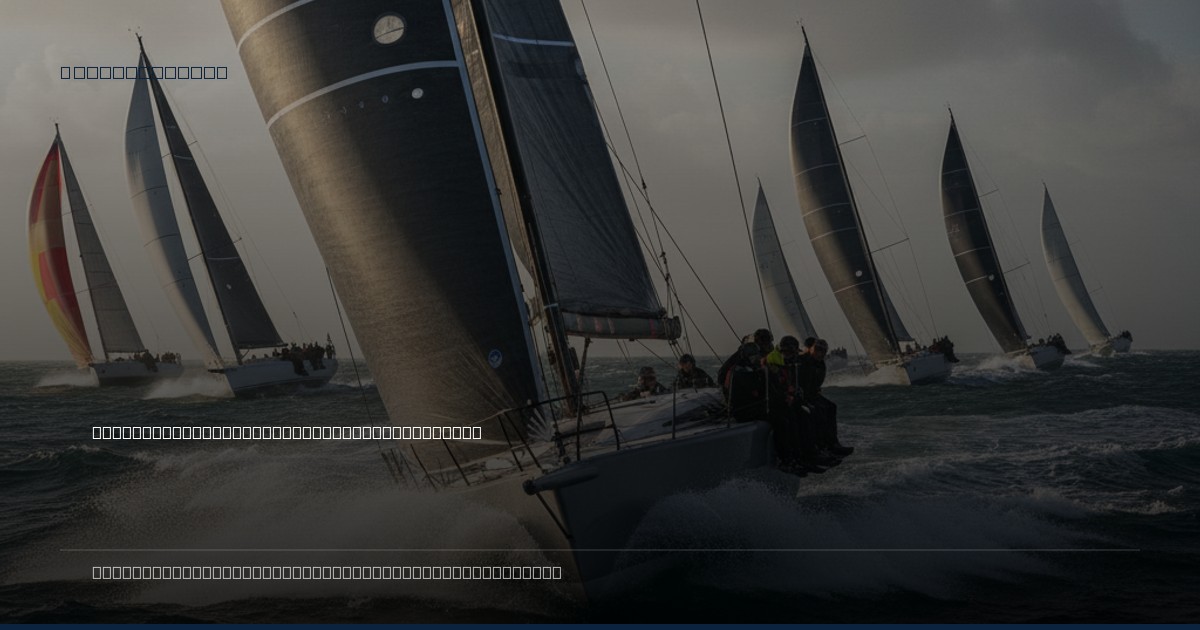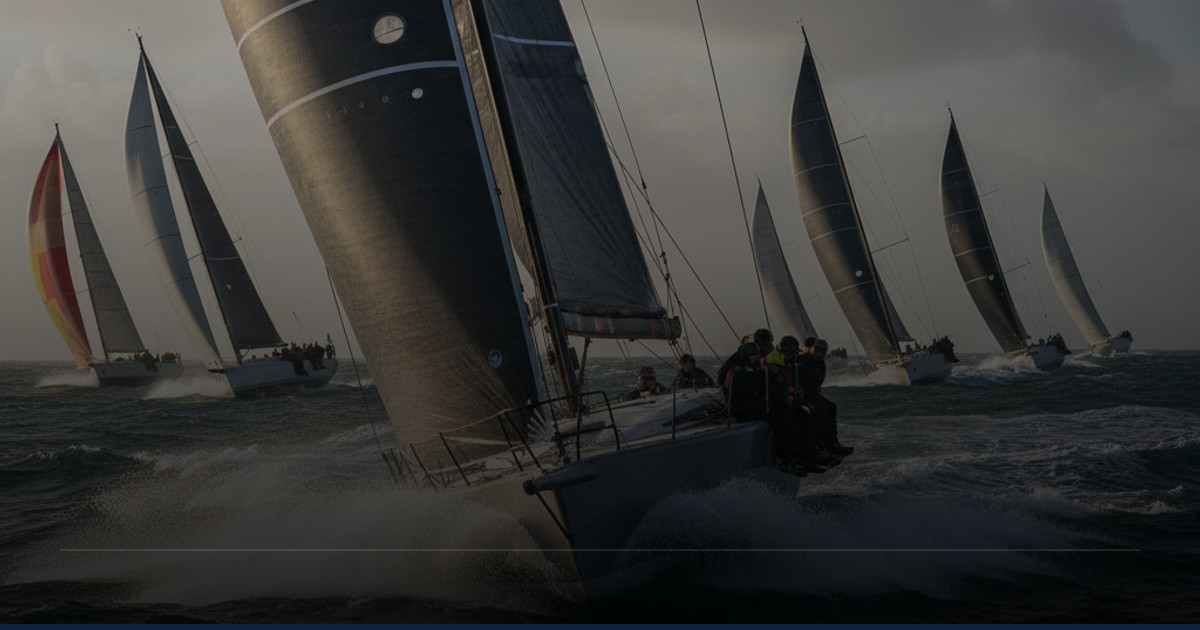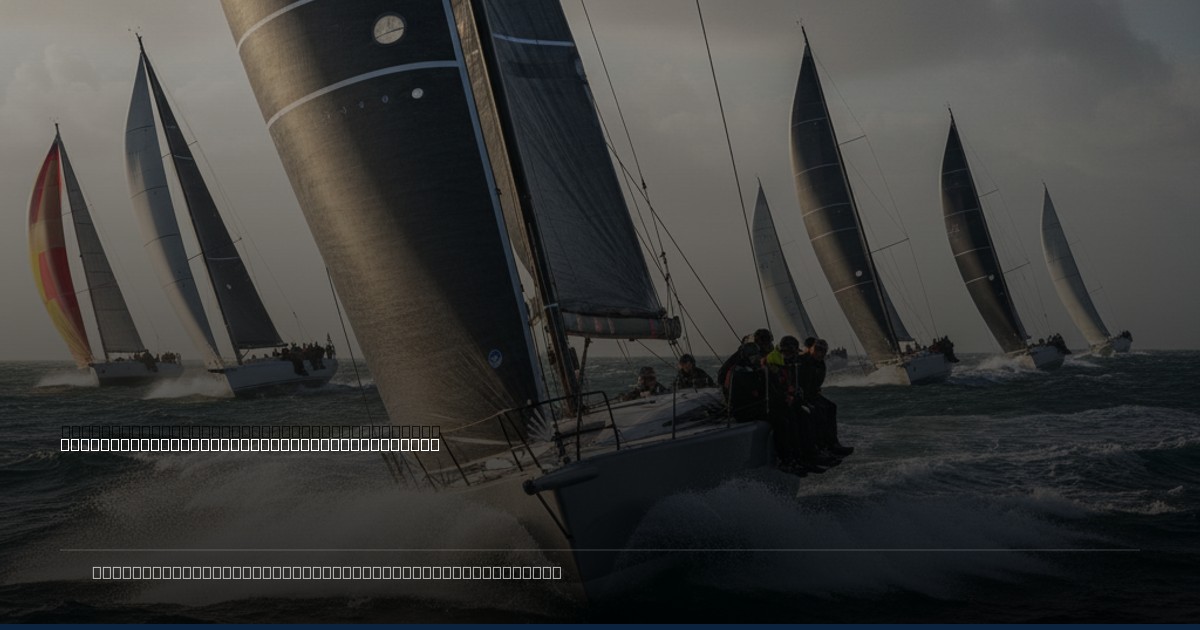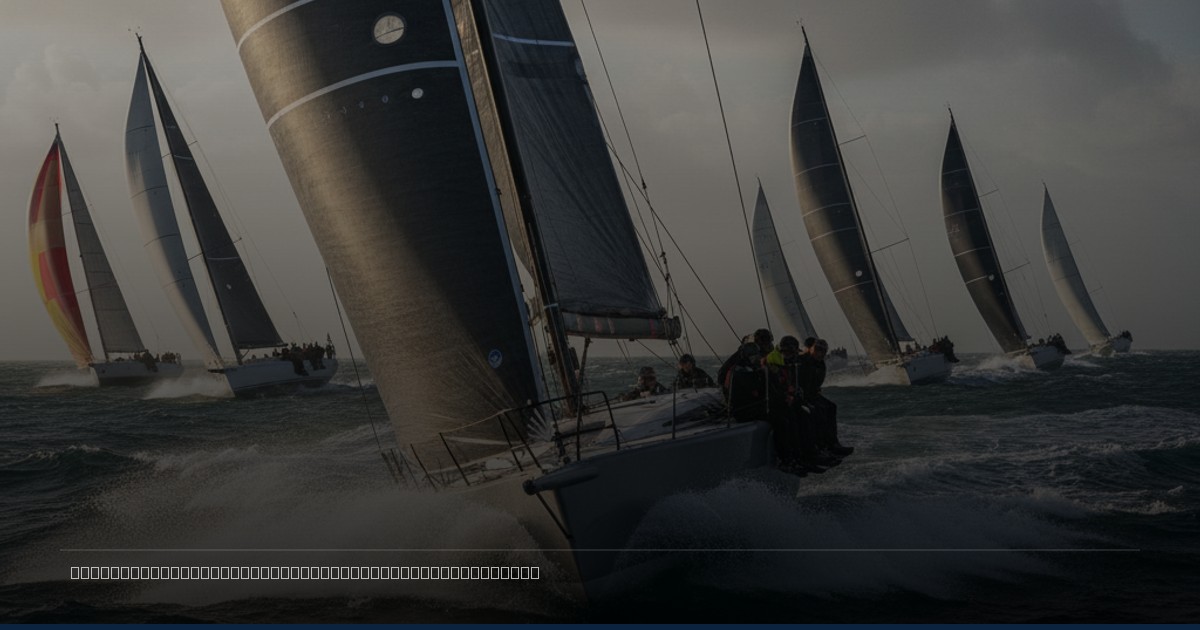
In the cutthroat world of grand prix sailing, where bespoke carbon fiber and proprietary software dictate performance, it's easy to forget the foundational joy of simply being on the water. Yet, as Lydia Mullan, editor of SAIL magazine, recently highlighted, the 'OPB' — Other People's Boat — philosophy remains a vibrant, invaluable pathway for sailors of all stripes, from weekend warriors to aspiring professionals.
Indeed, the opportunity to step aboard a different vessel, be it a classic Swan, a cutting-edge TP52, or even a cruising cat, offers an unparalleled education. It's a chance to experience diverse sail plans – from the nuanced trim of a North 3Di main on a performance cruiser to the raw power of a wing sail on an AC75 from the spectator's perspective. You learn the idiosyncrasies of different deck layouts, the feel of various Harken winch setups, and the subtle art of communication with a new crew. This isn't just about 'free sailing'; it's about expanding your tactical repertoire, understanding different boat dynamics, and honing your adaptability – a crucial skill whether you're navigating a tidal gate in the Solent or executing a high-stakes maneuver in the America's Cup.
Consider the journey of many top professionals. Before they were helming foiling GC32s or calling tactics for INEOS Britannia, they were likely grinding on a club racer, delivering a yacht down the coast, or filling a last-minute crew slot. These 'OPB' experiences build a deep, intuitive understanding of boat handling, sail trim, and weather interpretation that no simulator can replicate. It’s a testament to the enduring camaraderie of our sport, a reminder that the best lessons are often learned by simply saying 'yes' to an invitation and embracing the unknown. For those of us who've spent decades chasing the wind, the OPB isn't just a philosophy; it's a way of life, a continuous masterclass in seamanship, and a constant source of fresh perspectives on the water.