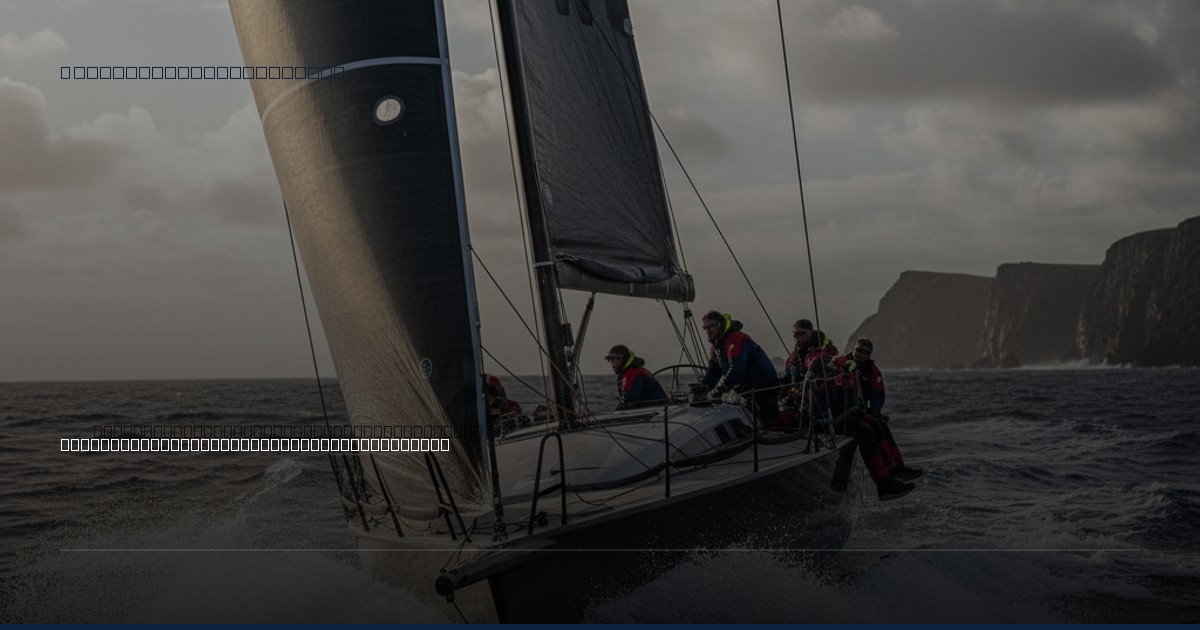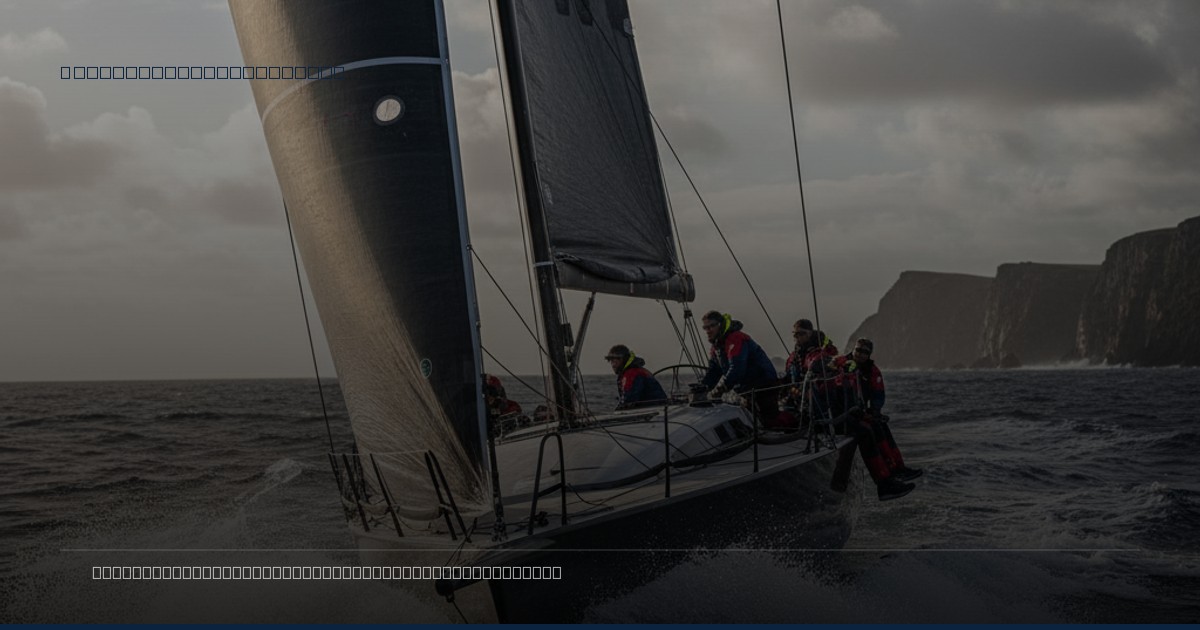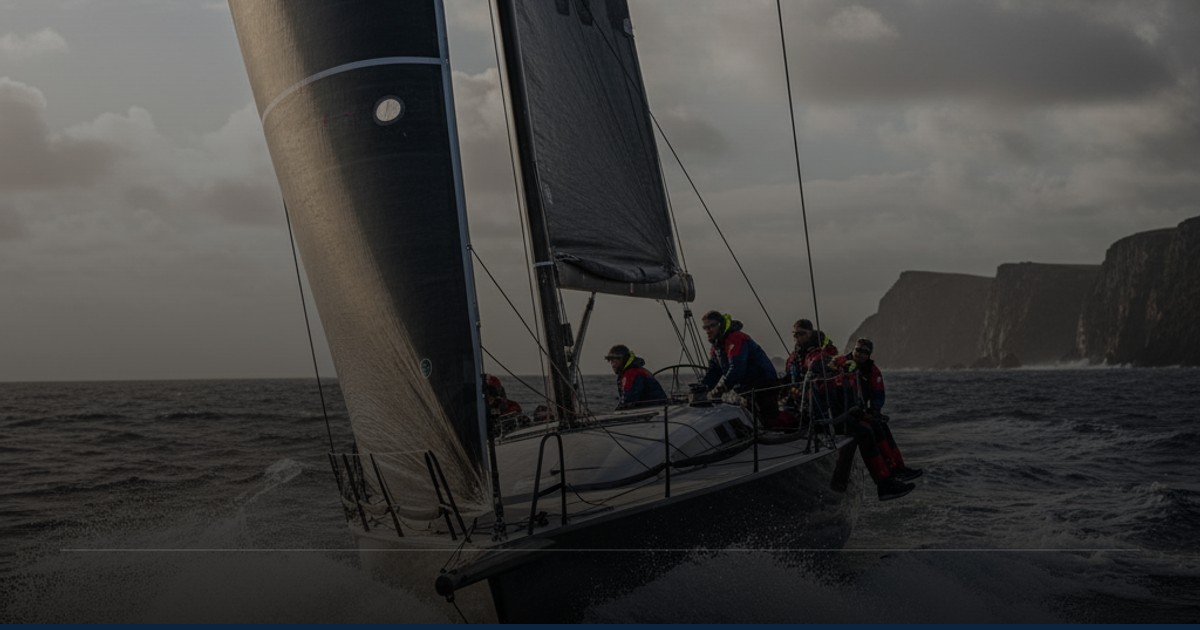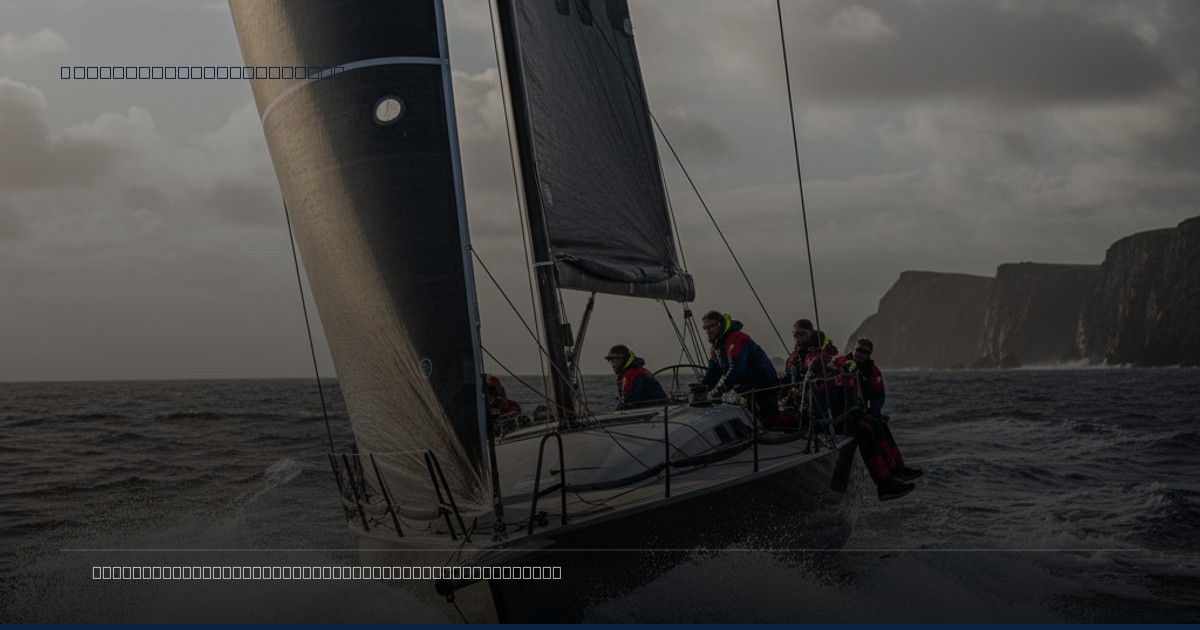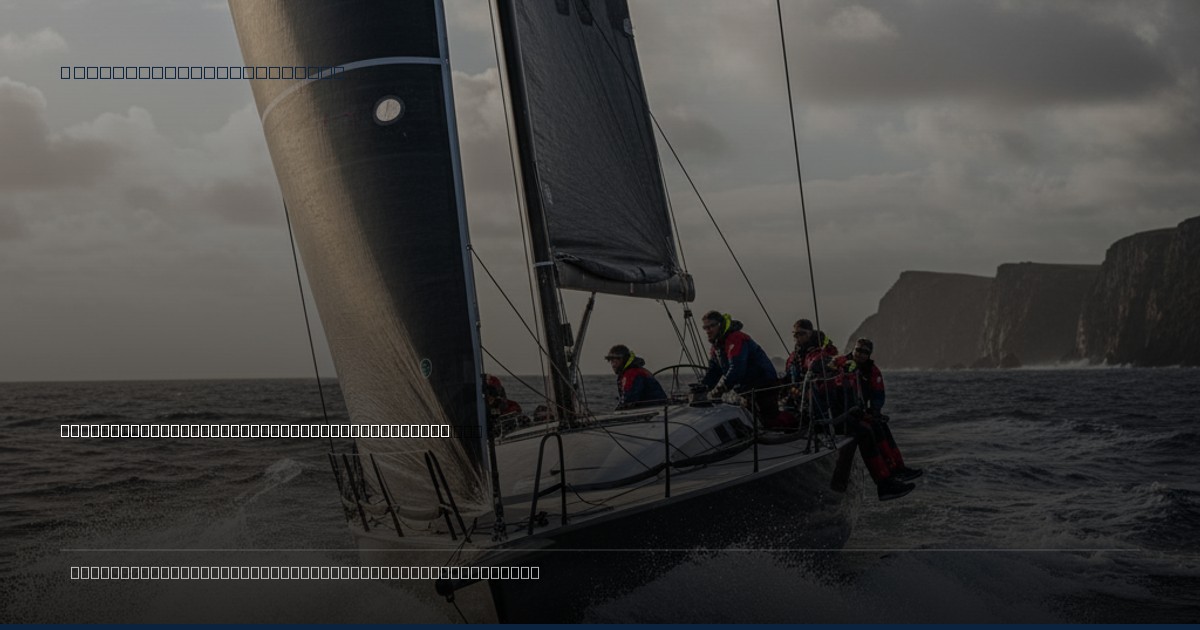
The digital waves have been abuzz recently with the antics of 'The Foredeck Union,' a self-proclaimed brotherhood of the sharp end – the bowmen, pitmen, and mastmen who operate in the often-unseen crucible of a racing yacht. Stuart Greenfield, a seasoned RYA Yachtmaster and respected racing coach, rightly reminds us that while the camaraderie and gallows humor of the foredeck are part of sailing's rich tapestry, the underlying reality of command at sea remains a profoundly serious business.
Indeed, for those of us who have spent countless hours on the rail, or even more critically, in the cockpit making the calls, the distinction is clear. The 'Foredeck Union' might jest about the perceived follies of the afterguard, but when the breeze pipes up, the spinnaker wraps, or a critical sail change is needed in a building sea state, the buck stops, unequivocally, with the skipper. This isn't just about winning the regatta; it's about the safety of the crew, the integrity of a multi-million-dollar platform, and the reputation of the entire program.
From the grand prix circuits where Southern Spars masts and North Sails inventories are pushed to their absolute limits, to the high-stakes maneuvers of an America's Cup AC75, every decision, every command, carries immense weight. The precision required to execute a foiling gybe in 25 knots, or to navigate a tricky tidal gate, demands absolute trust and unwavering leadership. While the banter of the foredeck is a vital pressure release, a healthy dose of respect for the chain of command is what ultimately keeps these magnificent machines, and their invaluable crews, sailing fast and safely. It's a delicate balance, this blend of camaraderie and unwavering authority, but it's one that defines competitive sailing at its highest levels.