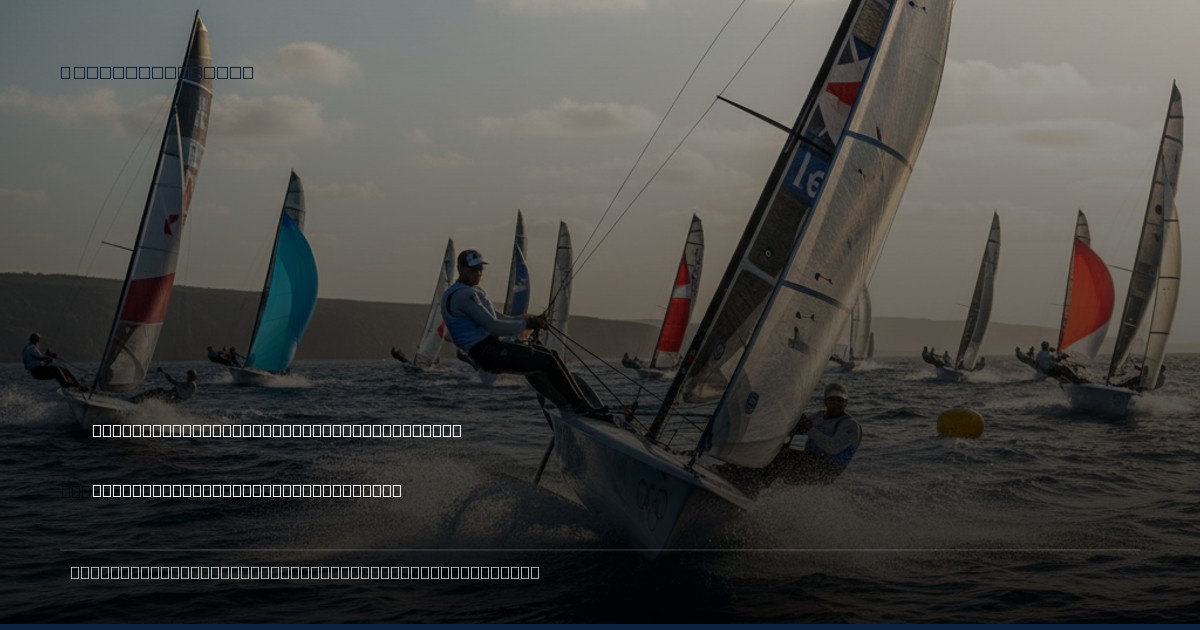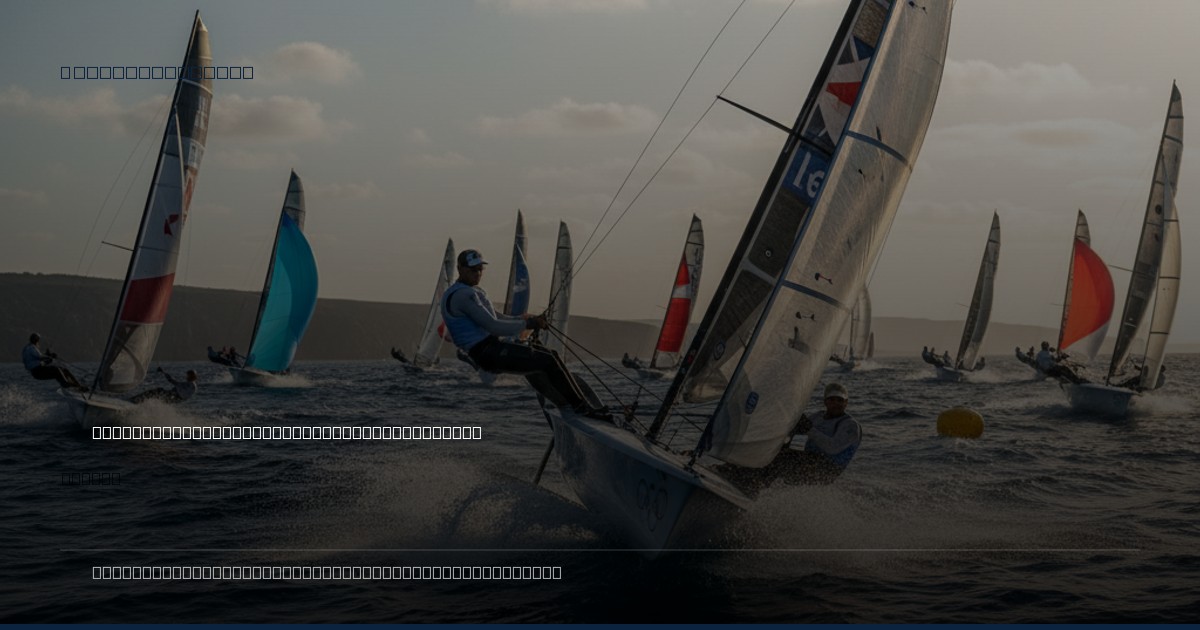
The latest discourse from Sailing Scuttlebutt, highlighting the evolving role of college sailing, strikes a familiar chord for anyone who's witnessed the sport's professionalization over the past two decades. Gone are the days when college sailing was a pleasant diversion, a stepping stone to a weekend club race. Today, for the elite youth sailor, it's a critical juncture, a potential launchpad – or, as some parents are realizing, a four-year detour from the fast track.
We've seen it firsthand. The path to an America's Cup campaign, a SailGP F50 helm, or an Olympic medal in the iQFOIL or Nacra 17 is brutally competitive. The hours on the water, the fitness regimes, the tactical deep dives – they begin long before a college acceptance letter arrives. For a Peter Burling or a Tom Slingsby, their formative years were spent honing their craft, not necessarily burning the midnight oil over textbooks. While the collegiate circuit offers invaluable match racing experience and team dynamics, skills undeniably transferable to a grand prix crew, is it the most efficient route for a truly exceptional talent?
The financial implications are staggering. A hundred-million-dollar America's Cup program demands a specific type of athlete, one who has dedicated their formative years to mastering the nuances of foiling, understanding the intricate dance between wing sails and hydrofoils, and absorbing the tactical chess game played out on the water. For these select few, college might indeed be an expensive delay. For the vast majority, however, the broader education, the networking opportunities, and the development of a well-rounded individual remain invaluable, regardless of whether they ever hoist a North Sails main on a Southern Spars rig again. The challenge, as always, is navigating these currents wisely.