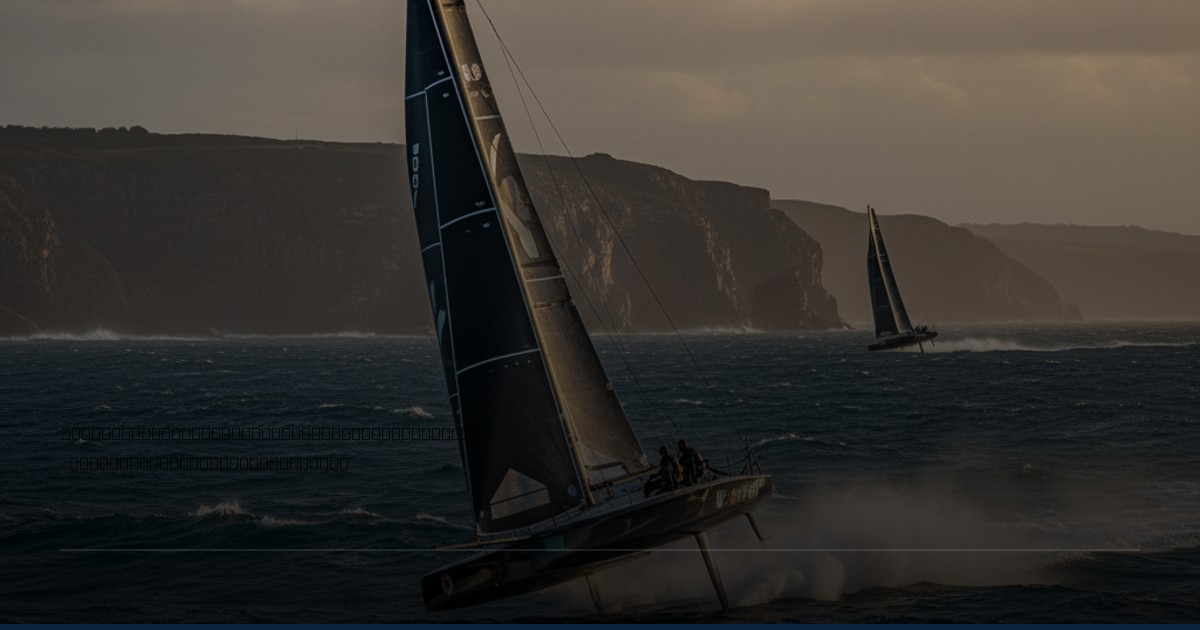
The F50 catamaran, with its hydrofoiling prowess and wing-sail power, remains an anomaly in competitive sailing. Its sheer speed and complex systems demand a skillset so specialized that even seasoned grand prix sailors face a steep, often unforgiving, learning curve. This challenge, as SailGP CEO Russell Coutts well knows, is a significant hurdle to the league's long-term sustainability and talent pipeline.
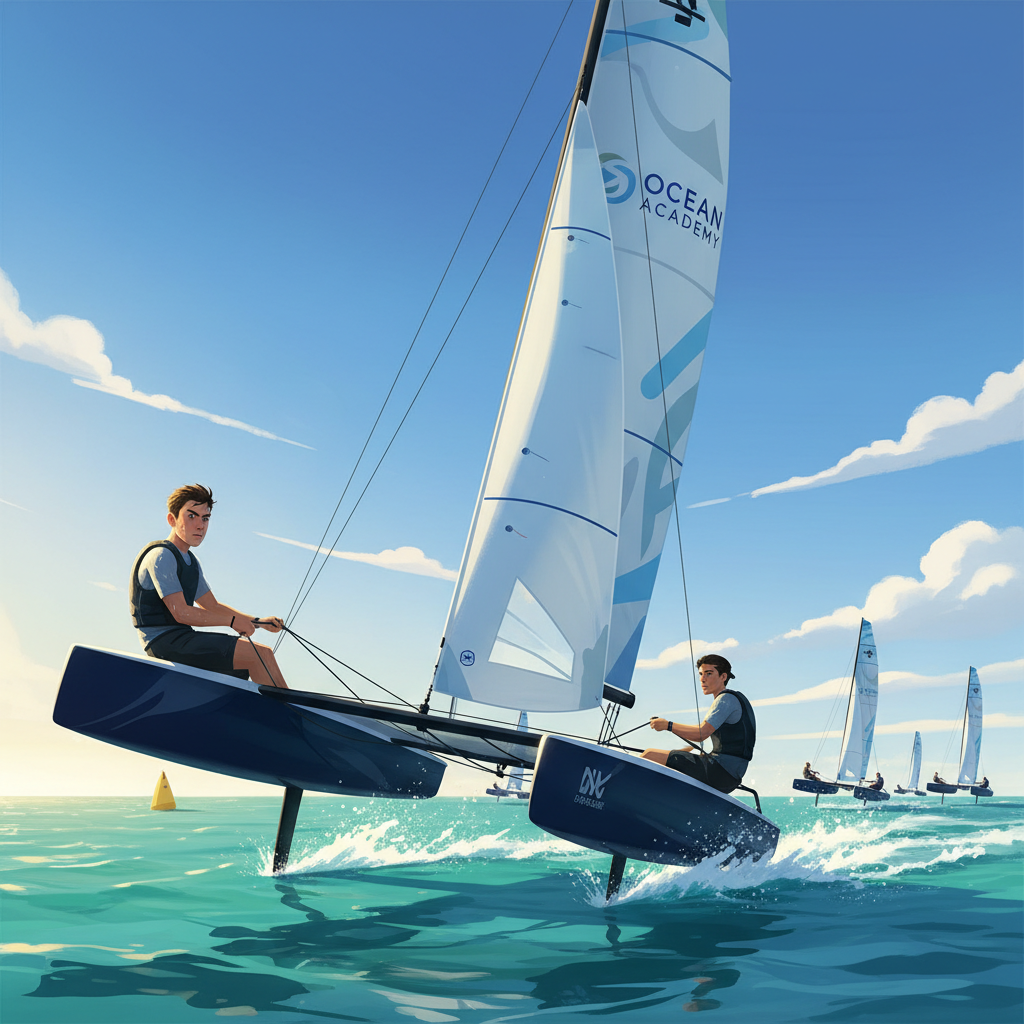
News from the Pensacola News Journal suggests Coutts is advancing a compelling solution: a 'minor league' based in Pensacola, Florida, utilizing 25-30 foot foiling boats. This isn't just about giving young sailors a ride; it's about building a dedicated pathway. The F50's unique demands – from precise helm control at 50 knots to integrated flight management and the rapid-fire tactical calls required in a tight fleet – are not transferable from traditional keelboats or even smaller catamarans. A dedicated development class, perhaps a scaled-down foiling monohull or a more accessible foiling multihull, could bridge this gap.
Pensacola, with its protected bay and consistent breezes, offers an ideal training ground. Emirates Team New Zealand, INEOS Britannia, and Luna Rossa already invest heavily in youth programs, but none directly replicate the F50 experience. This initiative could provide the critical 'upskilling' platform, allowing aspiring athletes to master flight control, boundary calls, and high-speed maneuvers without the multi-million dollar pressures of the main circuit. Imagine a feeder series where future Peter Burlings and Tom Slingsbys hone their craft, learning to read the wind shifts and tidal gates on a foiling platform, preparing them for the ultimate challenge of the F50. This isn't just good for SailGP; it's a strategic investment in the future of foiling sailing as a whole.