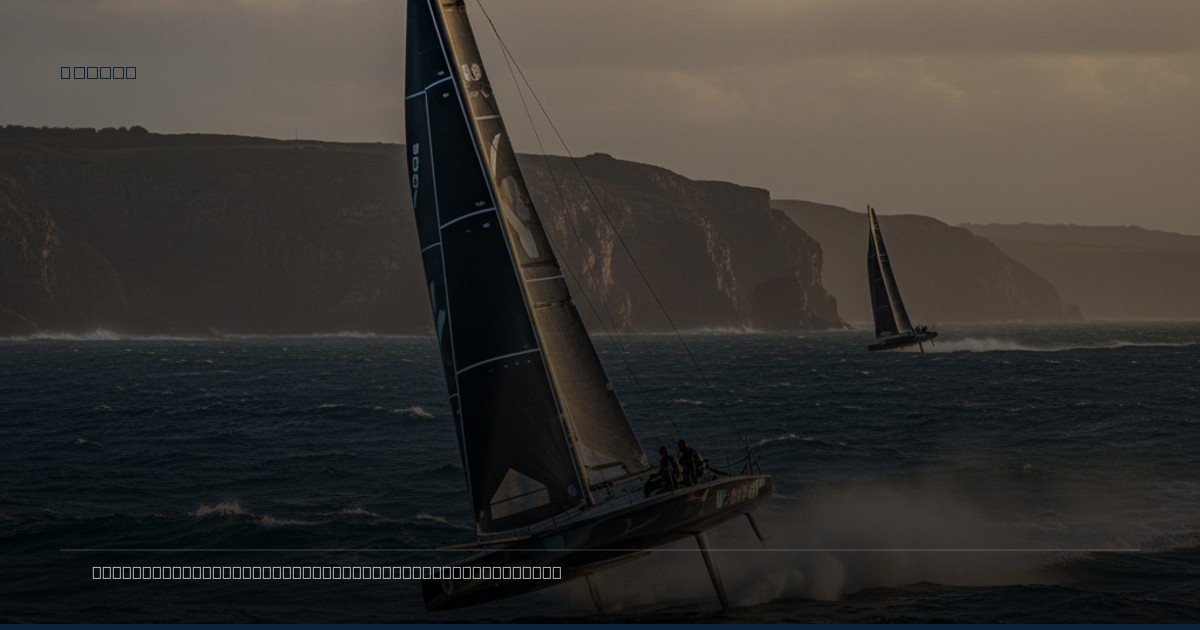
The relentless pace and specialized demands of the SailGP circuit have long posed a singular challenge: where do the next generation of F50 gladiators come from? Unlike traditional grand prix circuits, the F50 catamaran is an entirely unique beast, a carbon-fiber missile that demands a rare blend of foiling mastery, tactical acumen, and sheer physical endurance. Training opportunities are scarce, and the jump from conventional sailing to the F50 cockpit is more of a chasm than a step.
Now, whispers from the Pensacola News Journal suggest that SailGP CEO Russell Coutts is actively exploring a 'minor league' concept, potentially anchoring this development initiative in the sheltered, yet tactically diverse, waters of Pensacola Bay. The vision is to field a fleet of 25-to-30-foot foiling boats – a scaled-down, yet equally demanding, platform – to cultivate emerging talent. This isn't just about finding new helmsmen; it's about developing wing trimmers, flight controllers, and grinders who understand the nuances of hydrodynamics and high-speed maneuvers.
For a league that has already established a training base for its burgeoning female athlete program, Pensacola could become a true 'Cape Cod' for competitive foiling. The F50's reliance on custom Harken hydraulics and Southern Spars wing sails means that even a 'minor league' platform would need to be sophisticated, pushing the boundaries of what these smaller boats can achieve. This strategic move by Coutts is not merely about upskilling; it's about future-proofing SailGP, ensuring a sustainable pipeline of talent capable of taming these 50-knot machines and keeping the spectacle alive for years to come.