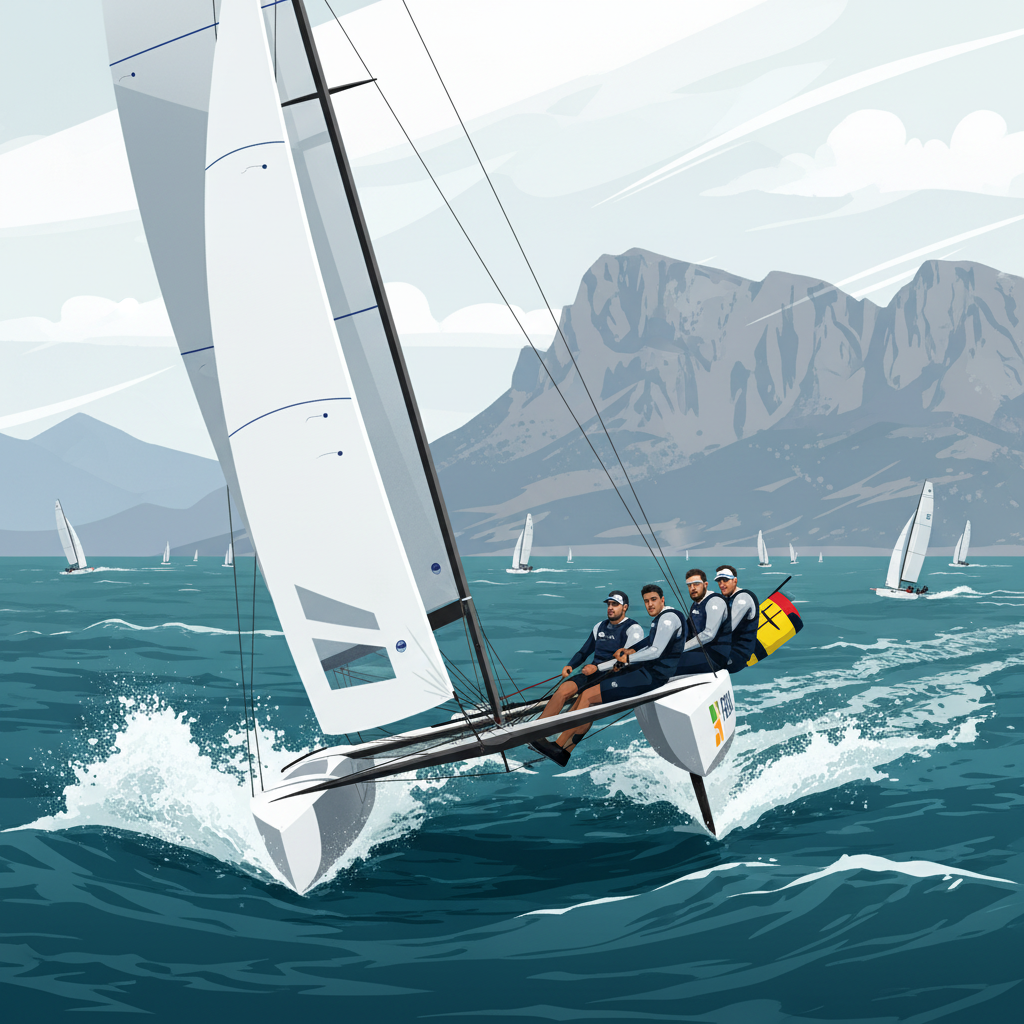
The azure waters off Palma de Mallorca are once again abuzz, not with the roar of AC75s or the whisper of SailGP foils, but with the focused intensity of Olympic hopefuls. The 55th Trofeo Princesa Sofia, a venerable institution in the grand prix circuit, has unfurled its sails, marking the official commencement of the 2026 Sailing Grand Slam season for the ten Olympic disciplines.
Nearly 900 entrants from a staggering 62 nations have converged on this Balearic jewel, all with their sights set on Paris and beyond. From the nimble ILCA dinghies to the high-performance 49er and Nacra 17 classes, the stakes are undeniably high. This isn't just another regatta; it's a crucial proving ground, a chance to gauge form, test new equipment – perhaps a tweaked North Sails rig or a new Harken block configuration – and fine-tune those all-important race strategies.
The early forecast, however, promises a true test of seamanship. With the snow-capped peaks of Mallorca looming large, a strong, yet notoriously shifty northerly wind is predicted to dominate the racecourse. These are the conditions that separate the contenders from the pretenders, demanding acute wind strategy, precise boat handling, and an almost intuitive understanding of localized pressure systems. Tidal gates might not be the primary concern here, but the complex interplay of land breeze and thermal effects will be paramount.
For many, this is the first real opportunity to measure themselves against the global elite since the last major championships. The pressure is immense, the competition fierce, and the lessons learned in Palma will undoubtedly shape campaigns for the remainder of the season. It’s a stark reminder that while the America's Cup and SailGP capture headlines with their stratospheric budgets and cutting-edge technology, the heart of competitive sailing still beats strong in the demanding, often unforgiving, arena of Olympic-class racing.