The recent NCAA Men's Basketball Tournament, culminating in a 'game of the ages' between UConn and Duke, offered a compelling parallel to the relentless pressure and strategic brilliance demanded in competitive sailing. Just as Purdue and Texas delivered an opening thriller, the sailing world consistently serves up its own brand of heart-stopping action, from the America's Cup to the grand prix circuit.
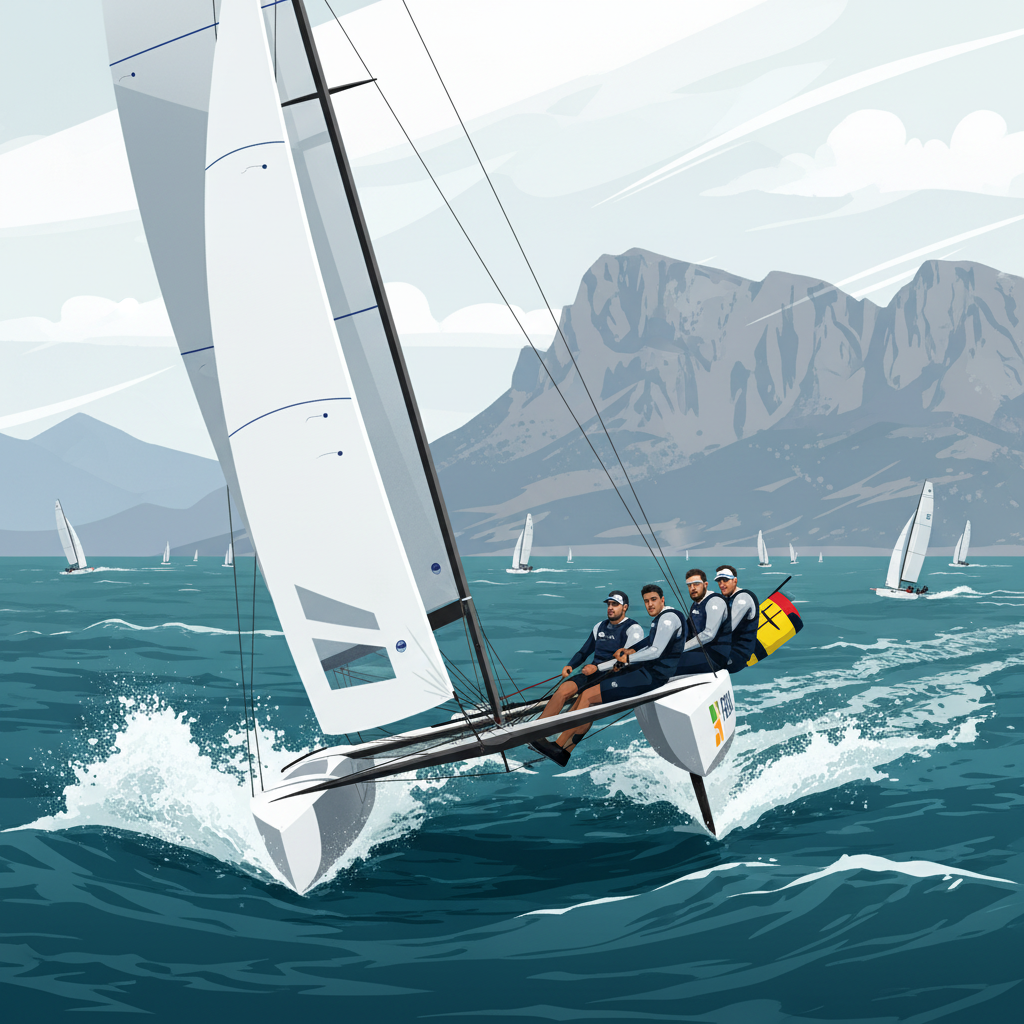
Consider the tactical chess match of a SailGP event, where Tom Slingsby's Australia F50 squad, powered by their Southern Spars wing, navigates the shifting winds and tight boundaries with the precision of a point guard. Or the brutal endurance of The Ocean Race, where crews push their IMOCA 60s, laden with Harken hardware, through mountainous seas – a marathon akin to a basketball team grinding through overtime after overtime.
Then there's the America's Cup, the pinnacle of our sport, where $100 million campaigns hinge on the smallest design advantage and the most audacious tactical calls. Emirates Team New Zealand, with Peter Burling at the helm, often displays the same 'madness' and clutch performance that defined UConn's run. Their foiling AC75s, adorned with bespoke North Sails, demand an athleticism and mental fortitude that would make any Division I athlete nod in approval. The strategic decisions – whether to go for the early cross, to cover, or to gamble on a shift – are as critical as a last-second three-pointer.
The 'best baller in sailing' isn't just about raw speed; it's about the ability to read the play, adapt to changing conditions, and execute under immense pressure. It's the Ben Ainslies and Jimmy Spithills, the master tacticians who can turn a losing position into a race-winning move, much like a star player orchestrating a comeback. The parallels are undeniable: the pursuit of excellence, the unforgiving nature of competition, and the sheer joy of witnessing peak performance.