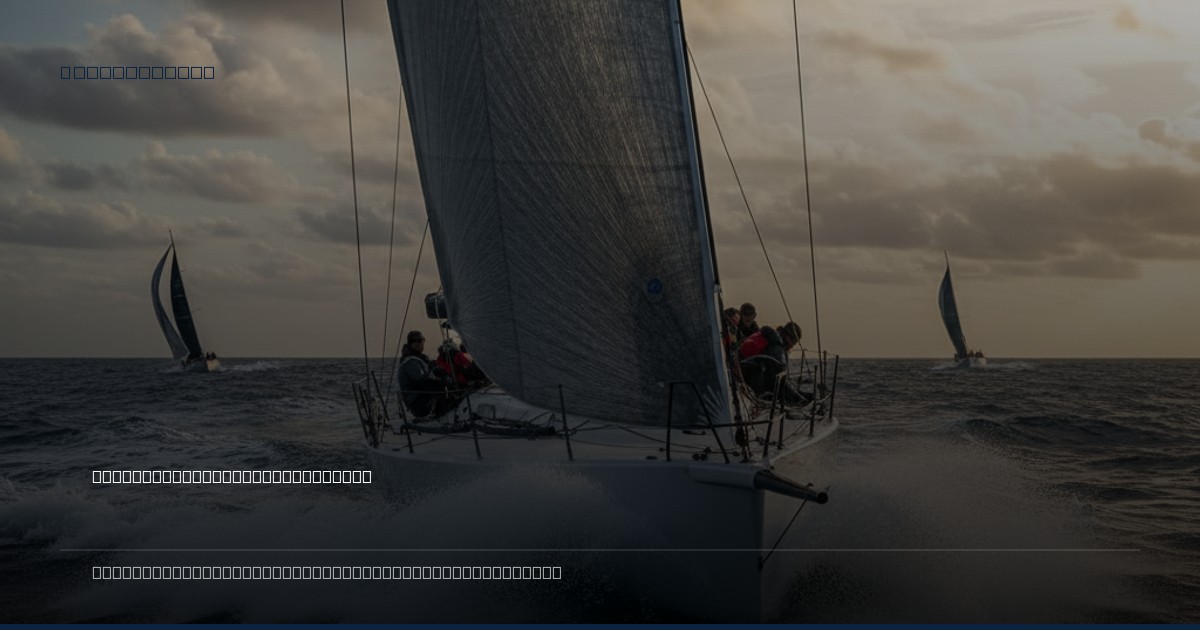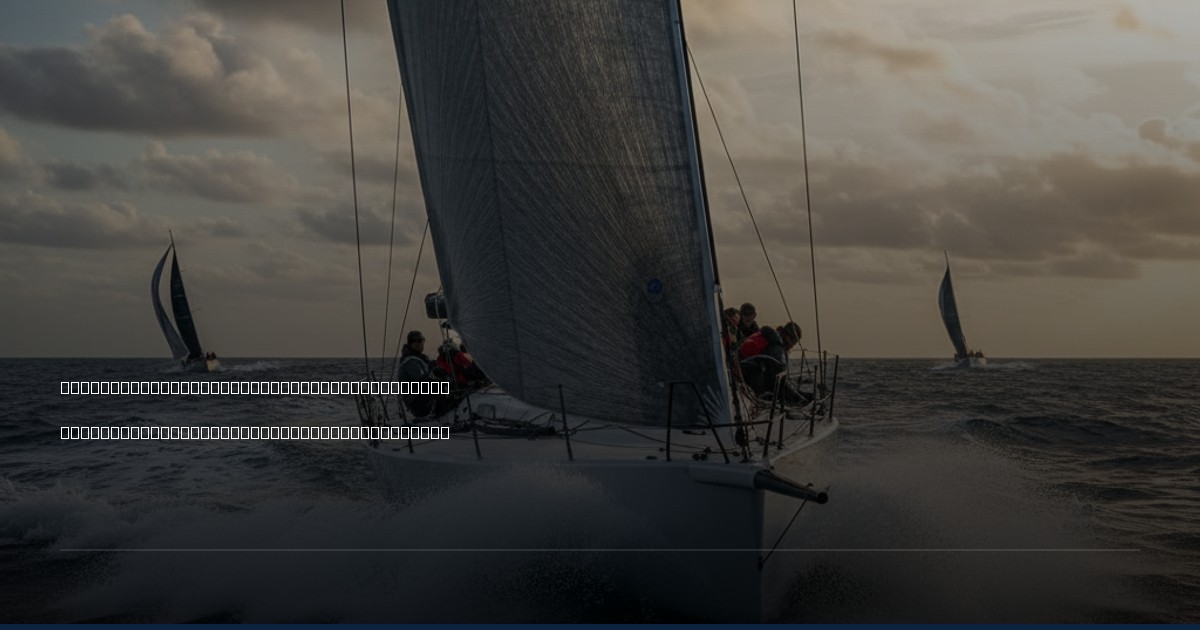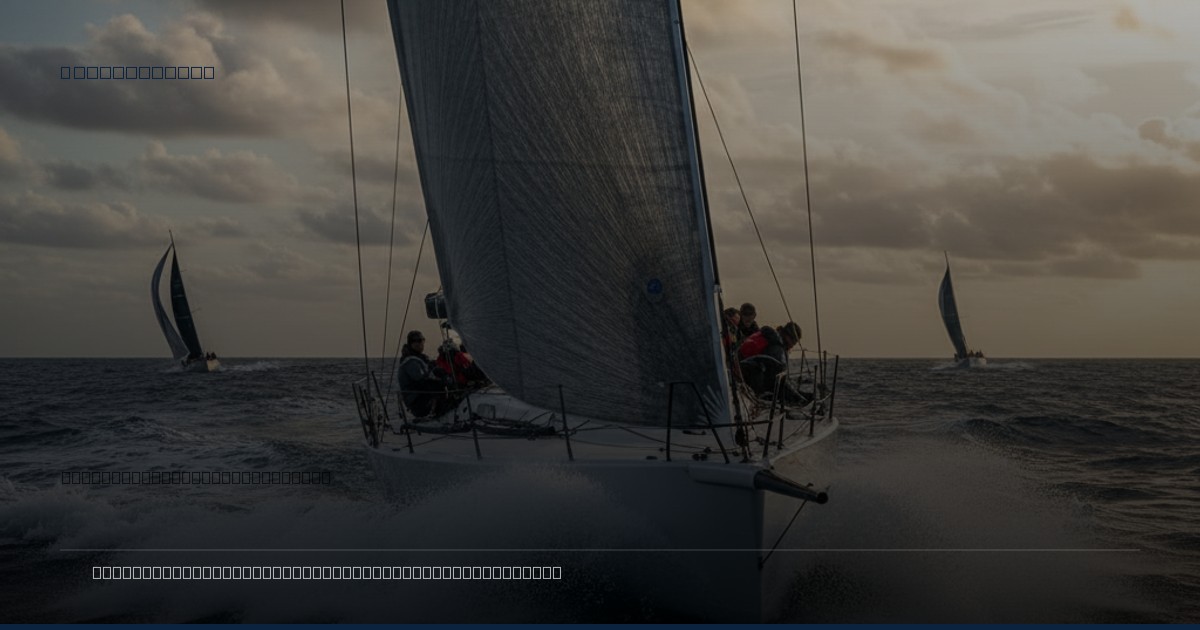
The roar of the city will soon be replaced by the whisper of carbon fiber and the thrum of hydrofoils as The Ocean Race Atlantic prepares to launch from New York City on September 1st. This inaugural event marks a significant evolution in offshore racing, pitting the formidable IMOCA 60s against the relentless North Atlantic in a sprint to Lorient, France.
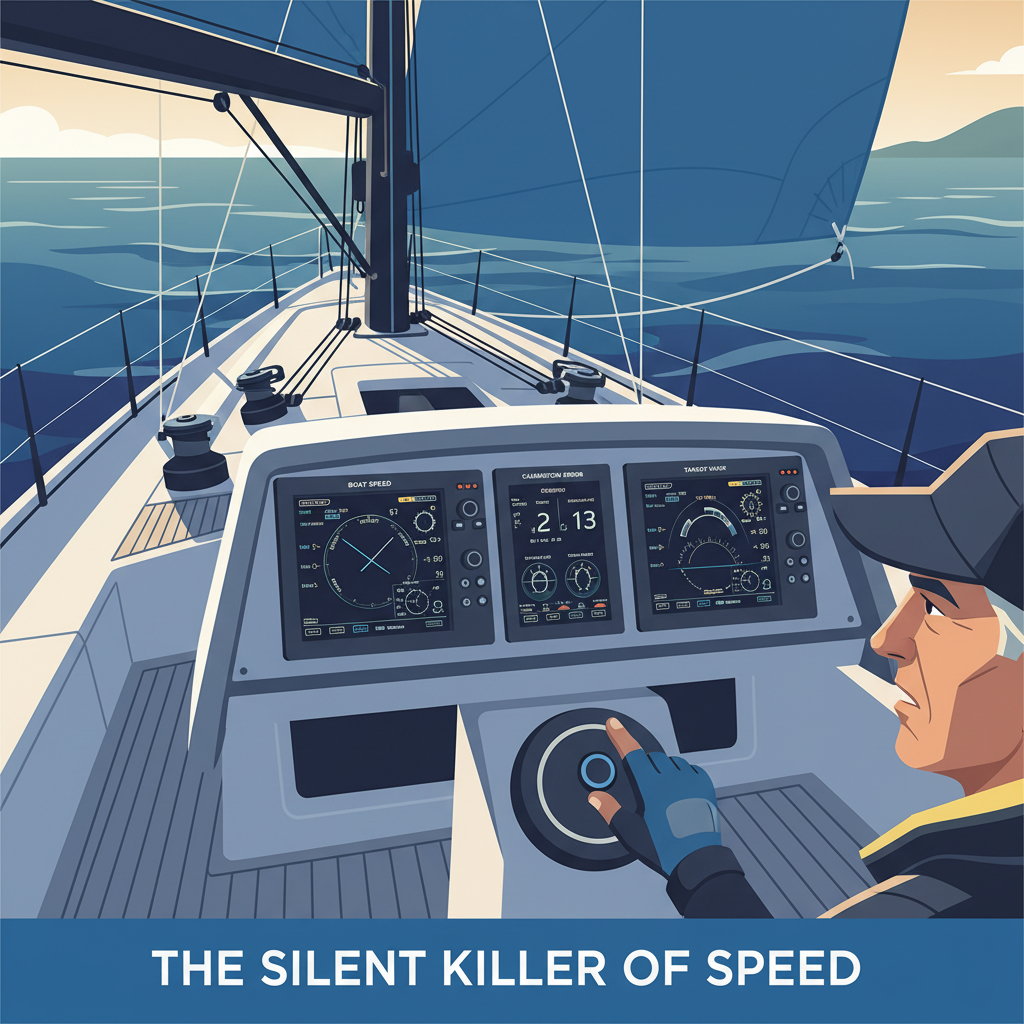
For those of us who've witnessed the raw power of these machines in the Southern Ocean, the prospect of them tackling the tempestuous North Atlantic is electrifying. This isn't just another transatlantic; it's a strategic chess match across some of the most unpredictable waters on the planet. Weather routing will be paramount, with teams leveraging every ounce of data from their onboard systems and shore-based meteorologists to navigate the complex low-pressure systems and potential ice gates that define this notorious stretch.
Crucially, the crew composition mandate – two men and two women, alongside a dedicated media crew member – is a game-changer. This isn't merely about diversity; it's about optimizing performance. The physical demands of these foiling beasts, especially in heavy weather, require a broad skill set, and these mixed crews will undoubtedly push the boundaries of what's possible. Imagine the tactical discussions, the sail changes under pressure, and the sheer grit required to maintain peak performance for days on end. With the likes of North Sails and Harken components pushed to their limits, and Southern Spars masts reaching for the sky, this race promises to be a true test of both human and technological endurance. The business of offshore racing, often a multi-million dollar endeavor, will be on full display as these teams vie for supremacy.