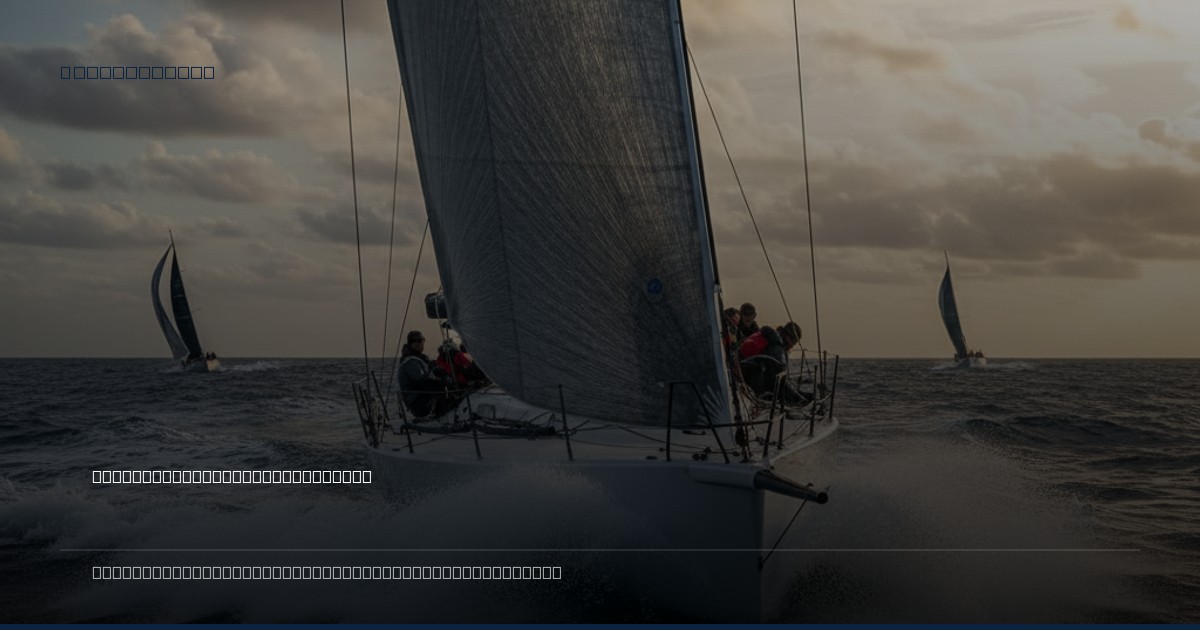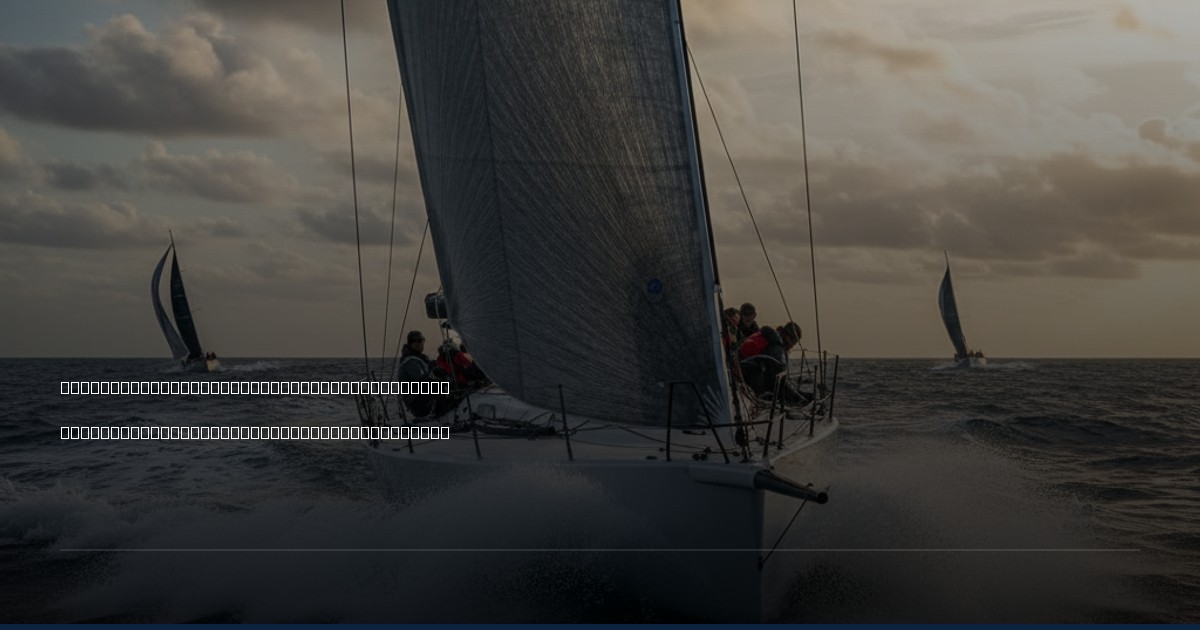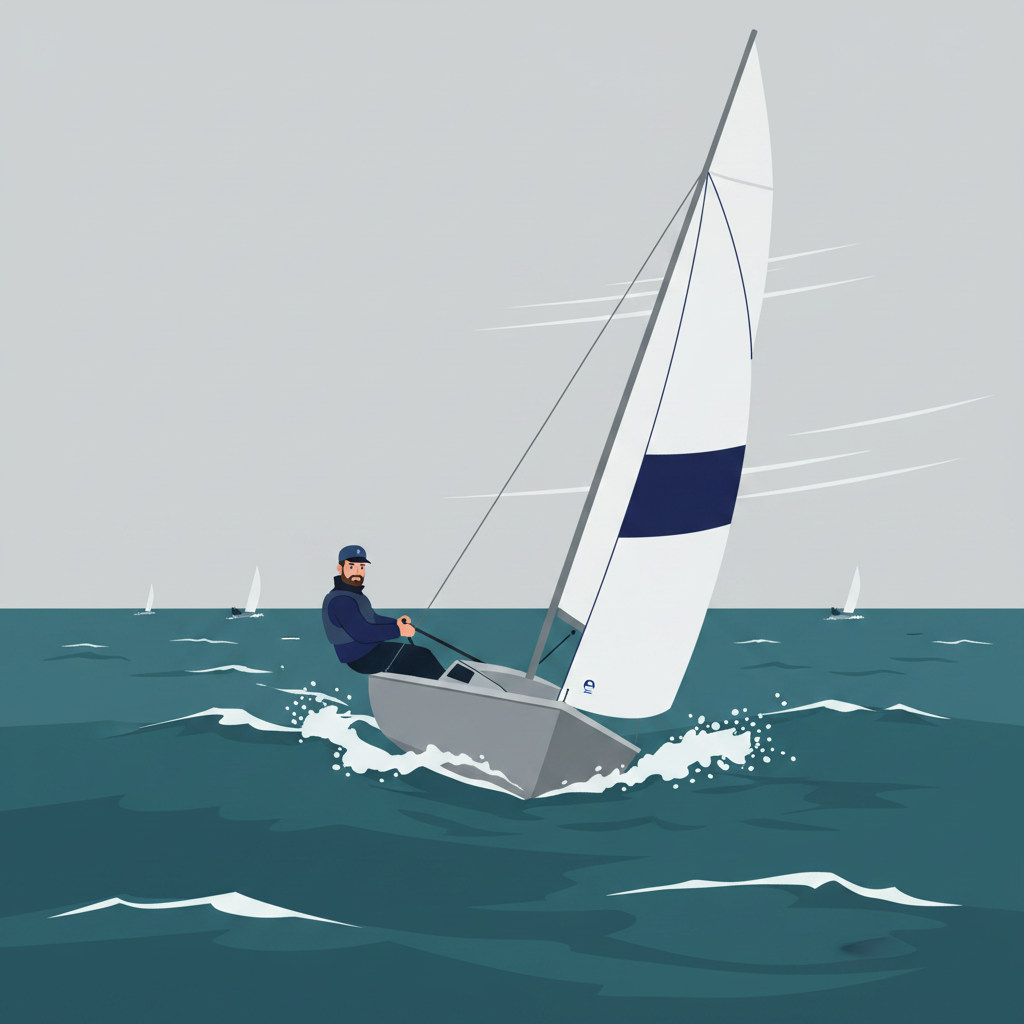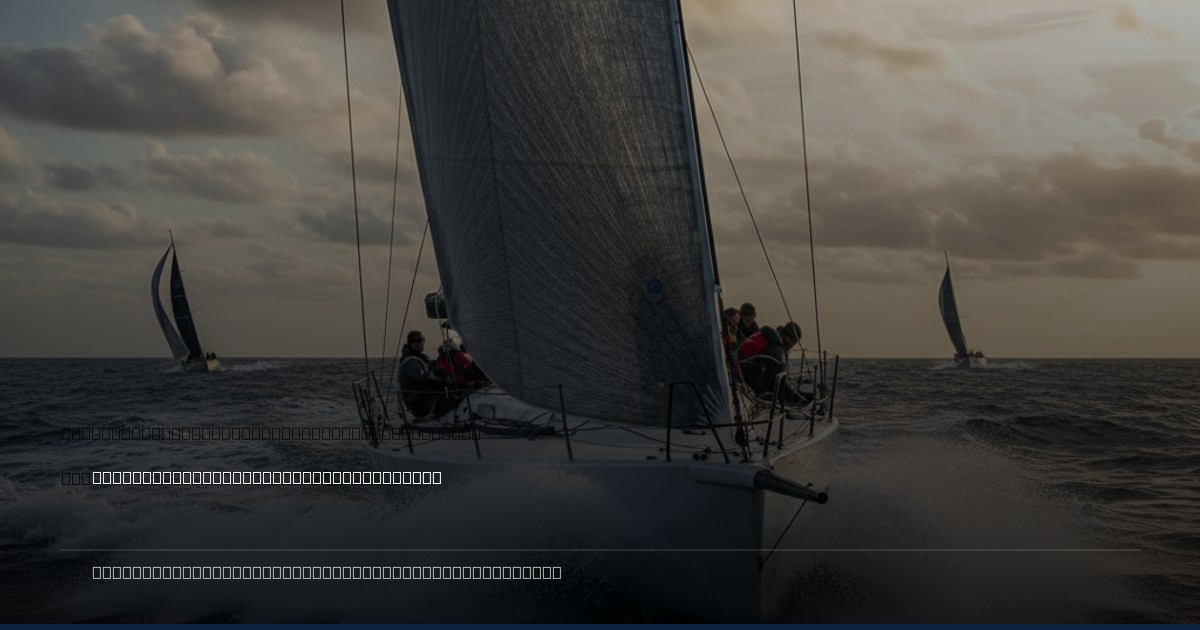
The Cote d'Azur, typically a picture of serene beauty, transformed into a gladiatorial arena for the 470 fleet at French Olympic Week in Hyères. As the Mistral asserted its dominance in the afternoon, what began as a gentle breeze quickly escalated into a full-blown test of seamanship, tactical acumen, and sheer physical endurance. This wasn't just another day of racing; it was a brutal sorting hat for Paris 2024 contenders.
Veteran observers, accustomed to the vagaries of Mediterranean wind patterns, watched with bated breath as crews grappled with gusts that pushed the limits of their Harken hardware and Southern Spars rigs. The 470, a class renowned for its nuanced boat handling and strategic depth, became a beast demanding absolute precision. Teams that had enjoyed a comfortable perch atop the standings found themselves fighting for survival, while those with a penchant for heavy air excelled, making significant gains. This isn't merely about speed; it's about managing the dynamic interplay between the wing-like forces on the sails and the turbulent water, a skill set that translates directly to the high-stakes world of the America's Cup or the brutal offshore legs of The Ocean Race.
The leaderboard, which had seemed relatively stable, was thoroughly shaken. Such conditions are a goldmine for coaches and a crucible for sailors, revealing who truly possesses the composure and raw talent required to stand on an Olympic podium. The ability to execute flawless maneuvers under extreme pressure, to anticipate shifts and gusts that can capsize a boat in an instant, is what separates the contenders from the pretenders. As the regatta progresses, these high-wind performances will undoubtedly factor heavily into national team selections, a stark reminder of the unforgiving nature of Olympic campaigning.