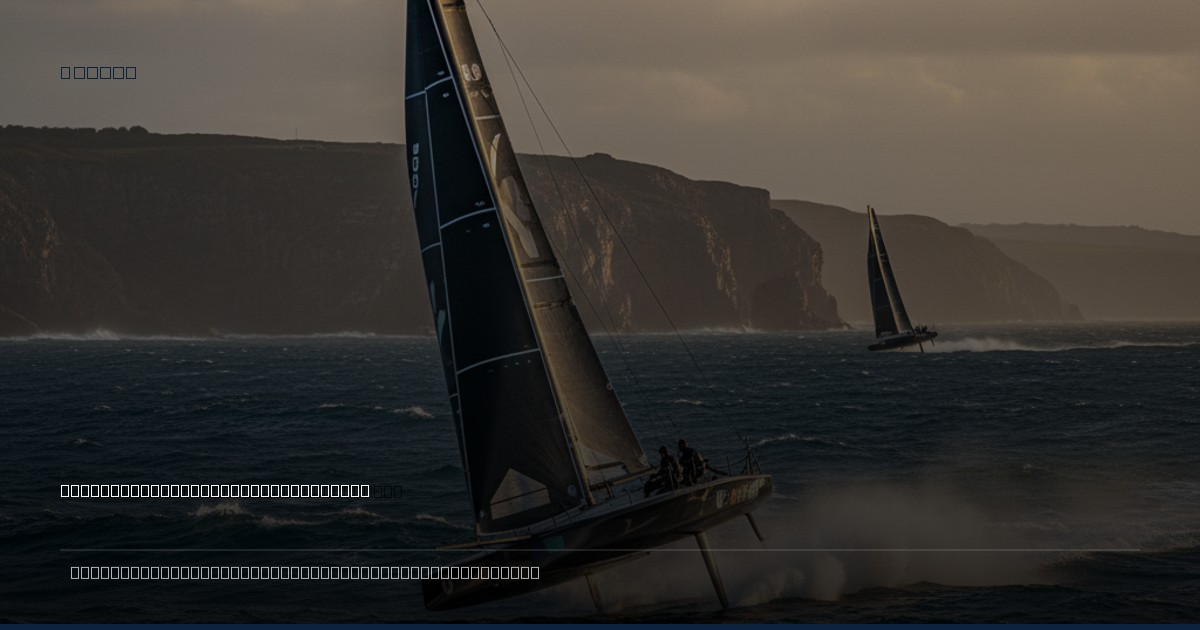
The sailing world, for all its technological marvels and stratospheric budgets, often finds its most profound moments in the simple realization of potential. Much like Navin Johnson's breakthrough in 'The Jerk' – a moment of self-awareness and burgeoning ambition – sailors, teams, and even technologies experience their own 'I'm somebody now!' epiphanies.
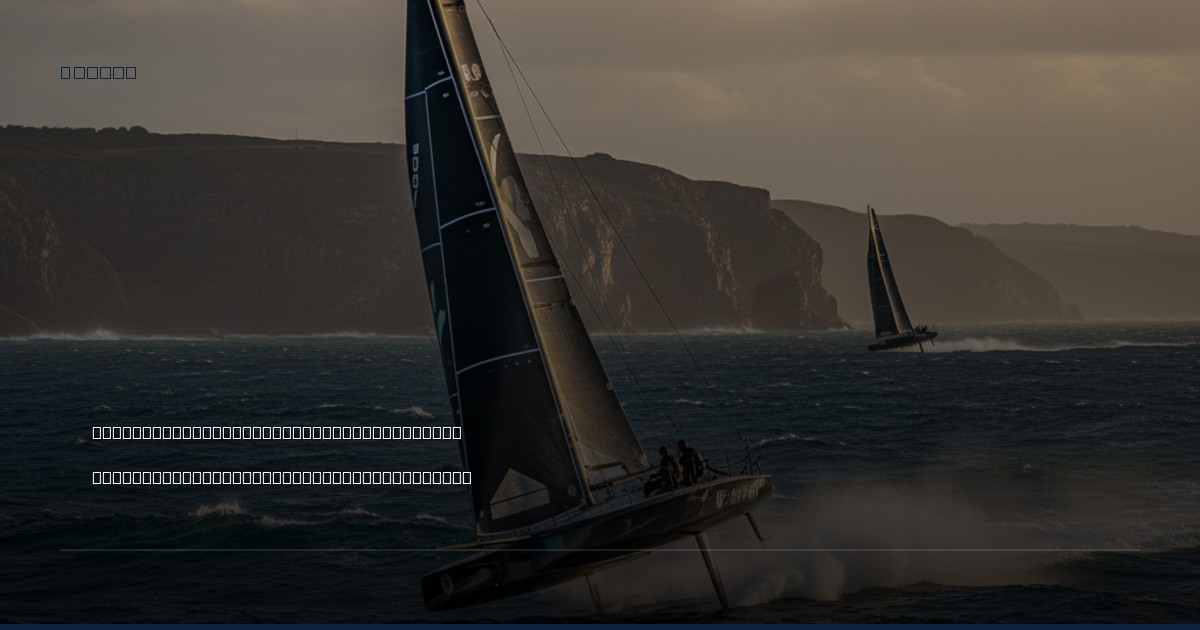
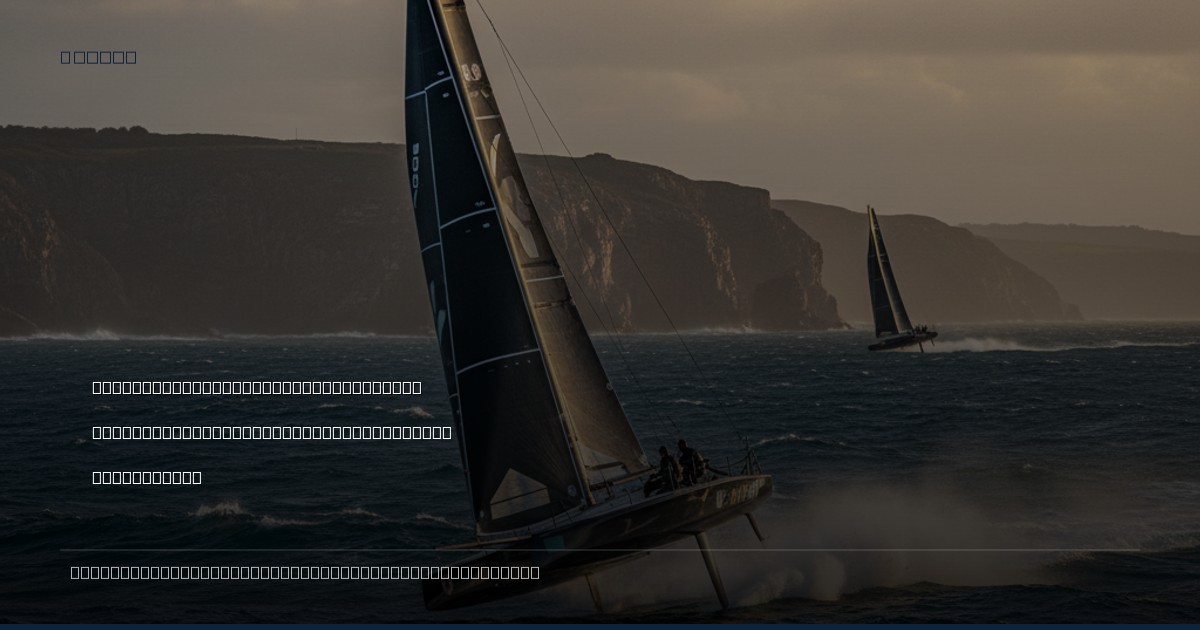
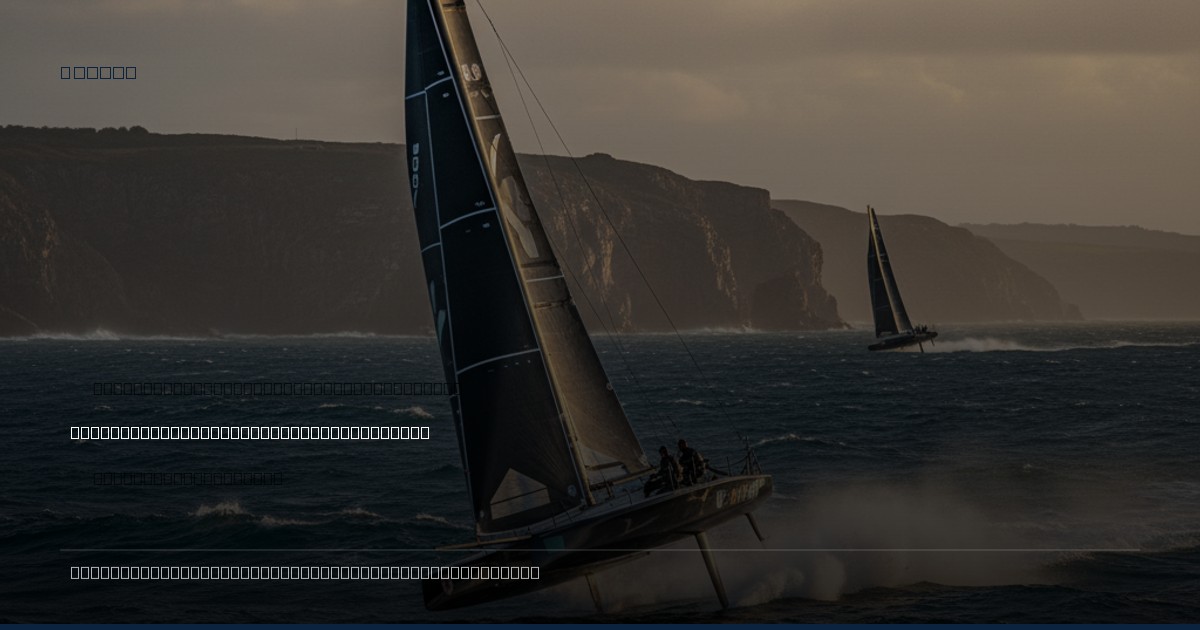
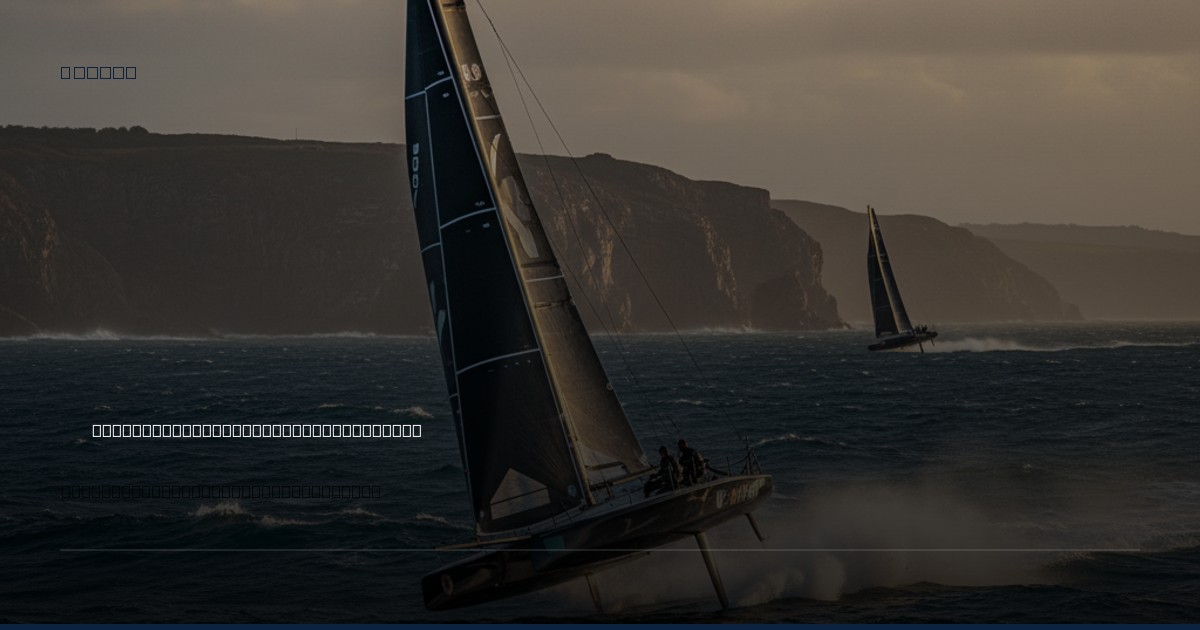
Consider the meteoric rise of foiling. For decades, the concept was a fringe curiosity. Then, with the advent of the AC72s and later the F50s in SailGP, the collective sailing consciousness had its Navin Johnson moment. Suddenly, the impossible was not just possible, but the new standard. Emirates Team New Zealand, with Peter Burling at the helm, didn't just win the America's Cup; they redefined it, proving that with the right application of hydrodynamics and flight control, a 75-foot monohull could fly. That wasn't just a win; it was a declaration of a new era.
Or look at individual athletes. How many young sailors, grinding through Opti regattas and dinghy circuits, dream of that moment? The breakthrough that catches the eye of a Grand Prix team, a call from INEOS Britannia or Luna Rossa, an invitation to trial for an Olympic campaign. It's the transition from aspiring talent to recognized contender, from a 'poor black child in Mississippi' (to borrow Navin's poignant self-assessment) to a vital cog in a multi-million dollar machine, whether it's trimming a North Sails 3Di main or fine-tuning a Harken winch system. The journey from anonymity to 'somebody' is the very essence of competitive sailing's allure.