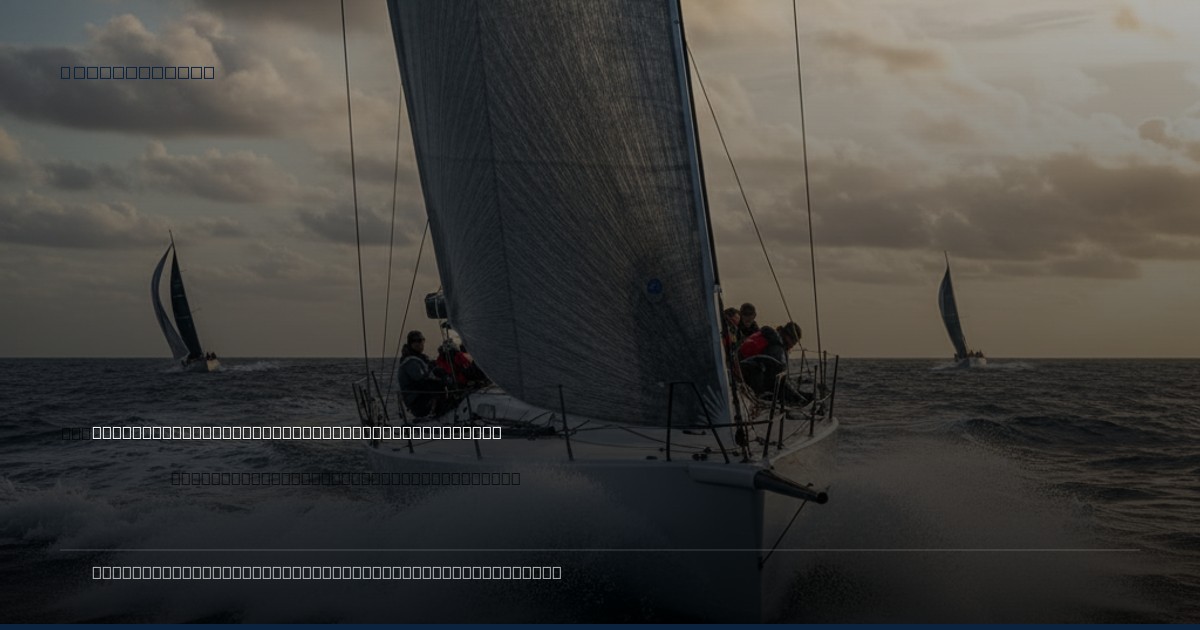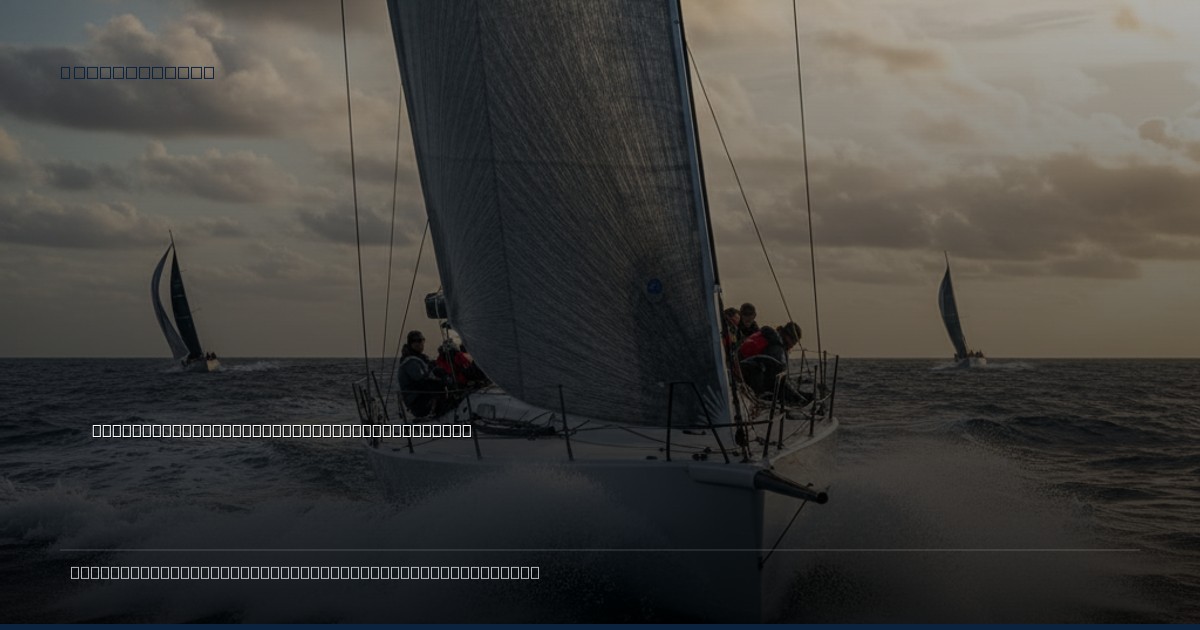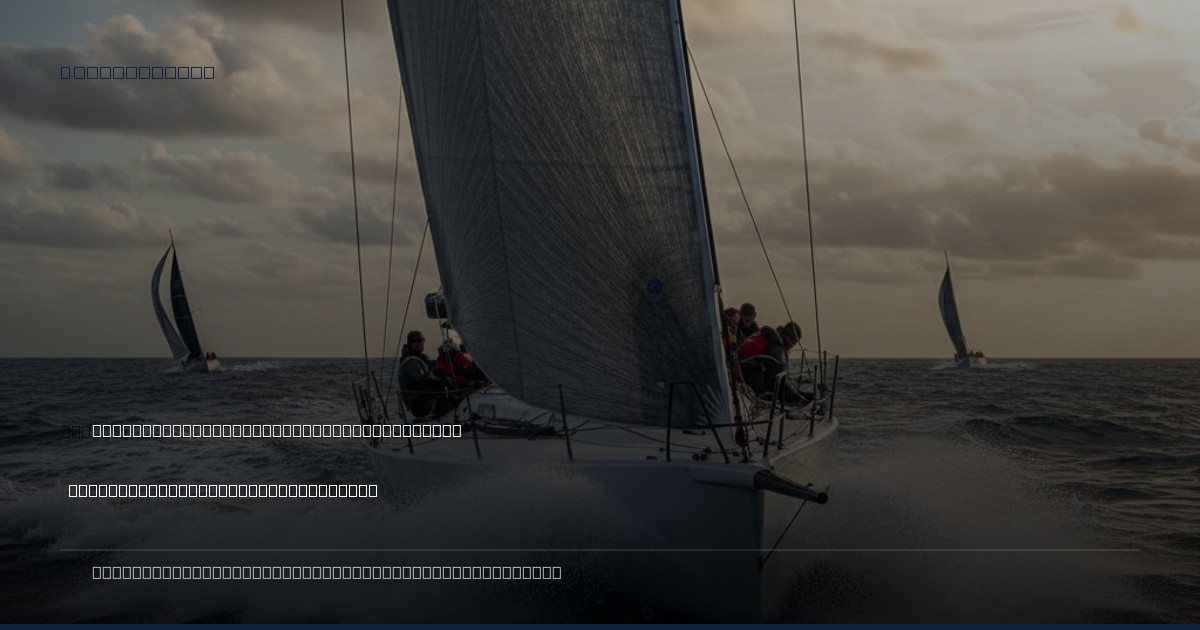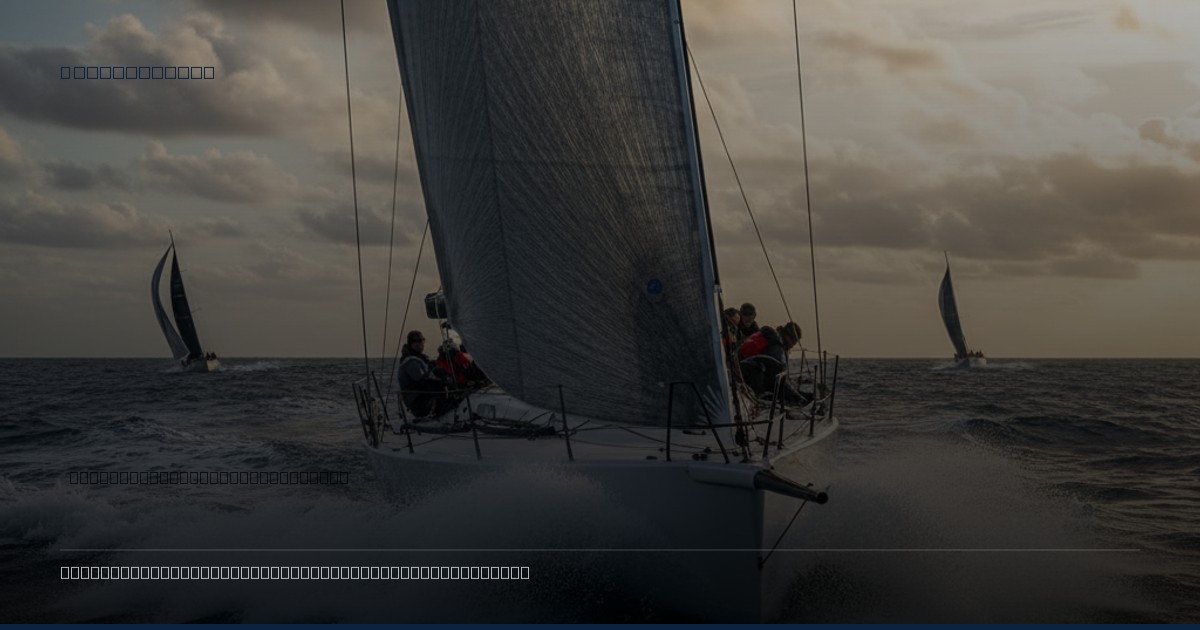
The siren call of speed often overshadows the fundamental tenets of seaworthiness, a truth brutally underscored by a recent incident off Haiti. As reported by James Evenson, a vessel designed for the adrenaline-fueled sprint found itself in a desperate battle for survival, a stark reminder that the ocean, indifferent to design briefs, always has the final say.
The initial flicker of alarm – a bilge pump cycling – is a sound that sends a shiver down the spine of any offshore sailor. To dismiss it, even after a cursory inspection, speaks to the inherent optimism, or perhaps the focused tunnel vision, of a crew driven by performance. But as the wind clawed its way to a snarling 35 knots, gusting to 45, that optimism would have curdled into a cold dread. Gale conditions are no place for a boat optimized solely for flat-water velocity; this is where the robust engineering of a Southern Spars rig and the meticulous sail design of North Sails are truly tested, not just for speed, but for sheer survival.
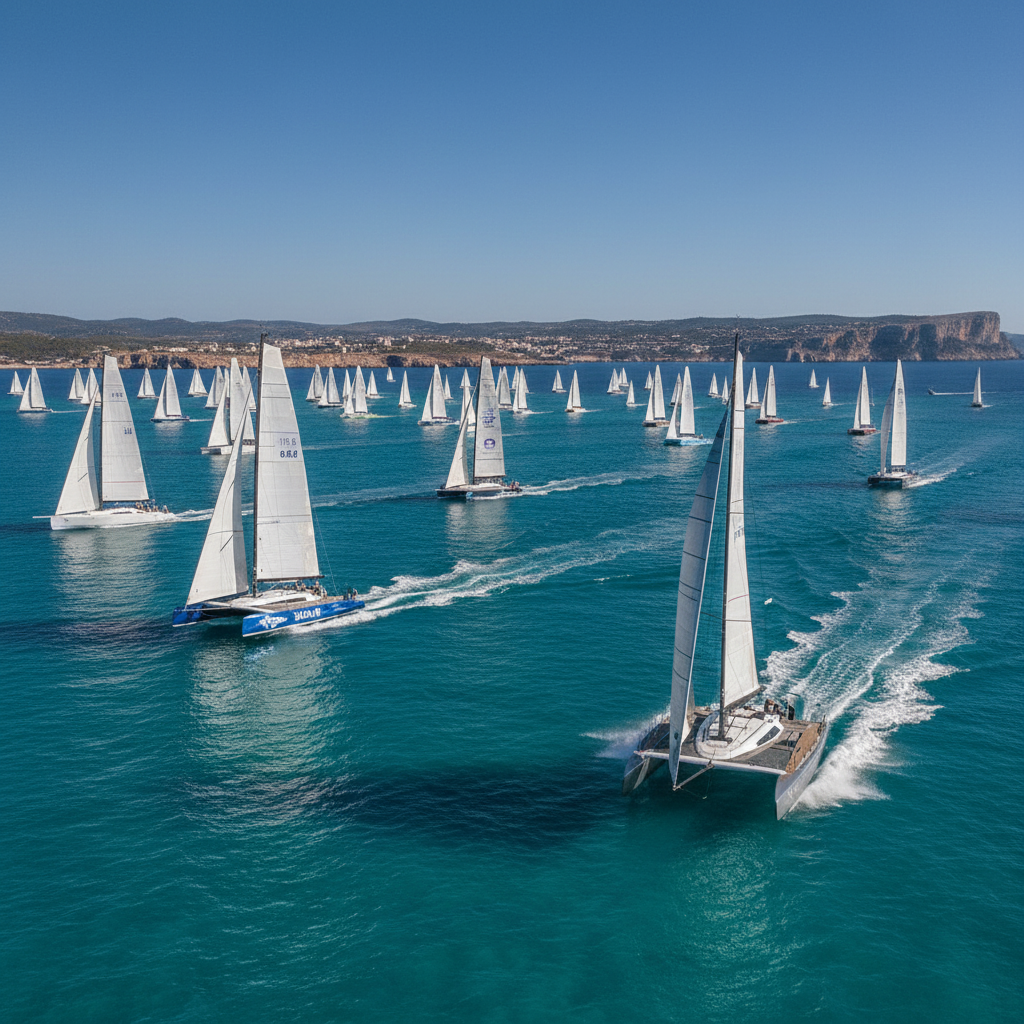
Triple-reefed, a desperate measure indicating the boat was already well beyond its comfortable operating envelope, the crew would have been acutely aware of the forces at play. This isn't the controlled chaos of a SailGP F50, where a capsize is an inconvenience, not a catastrophe. This is the untamed sea, where a compromised hull or a failing system can rapidly escalate from an annoyance to an existential threat. The business of competitive sailing, from the multi-million dollar America's Cup campaigns to the grand prix circuit, pours immense resources into optimizing every ounce for speed. But this incident serves as a potent, if terrifying, reminder that for those who venture offshore, the balance between 'go fast' and 'stay afloat' is a line etched in saltwater, and sometimes, the ocean demands a brutal re-evaluation of where that line truly lies.