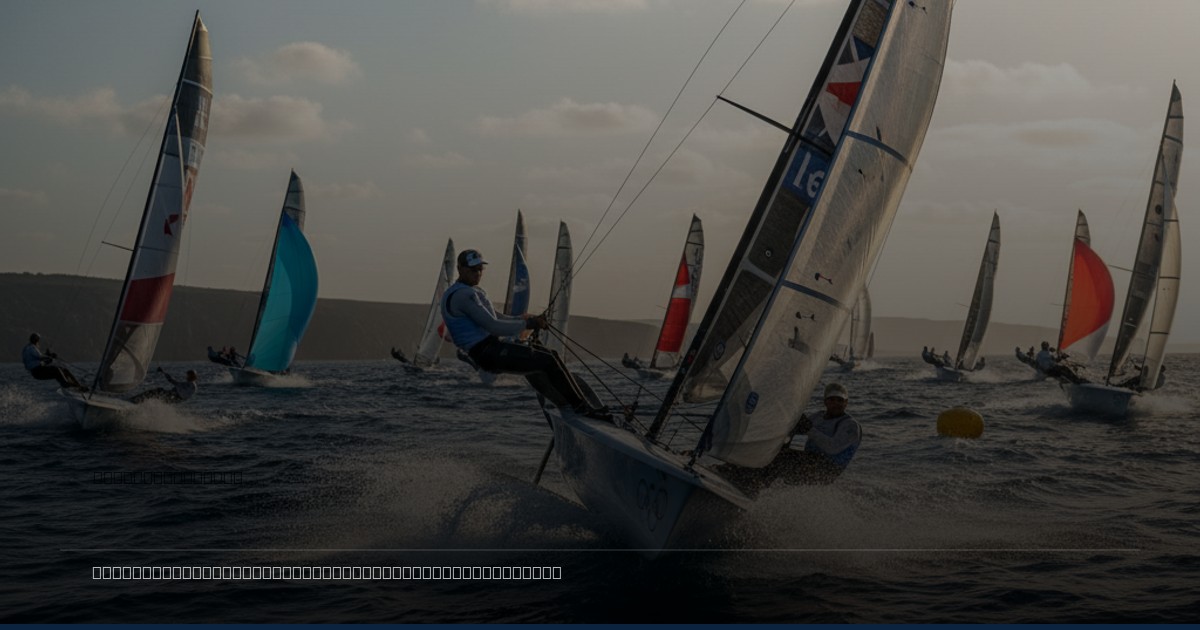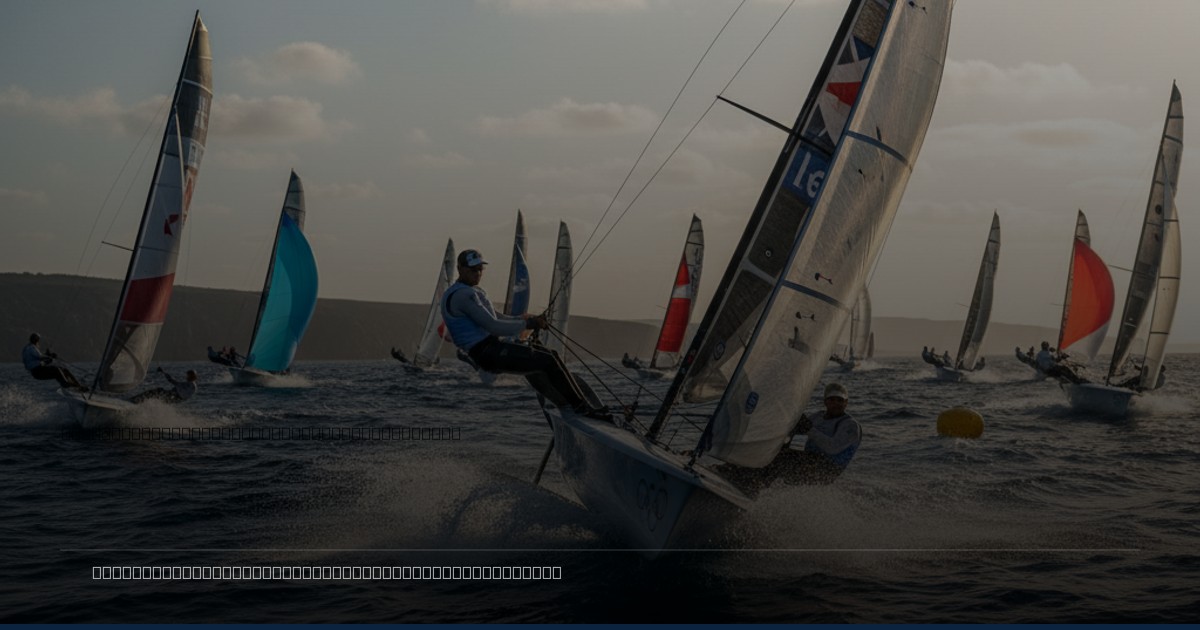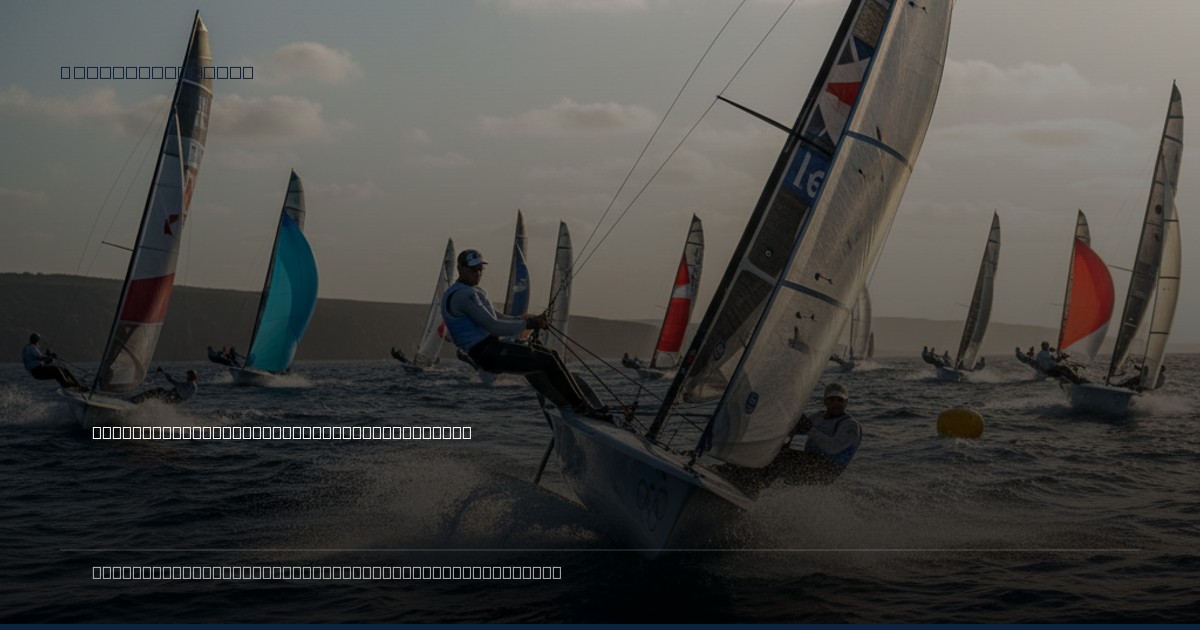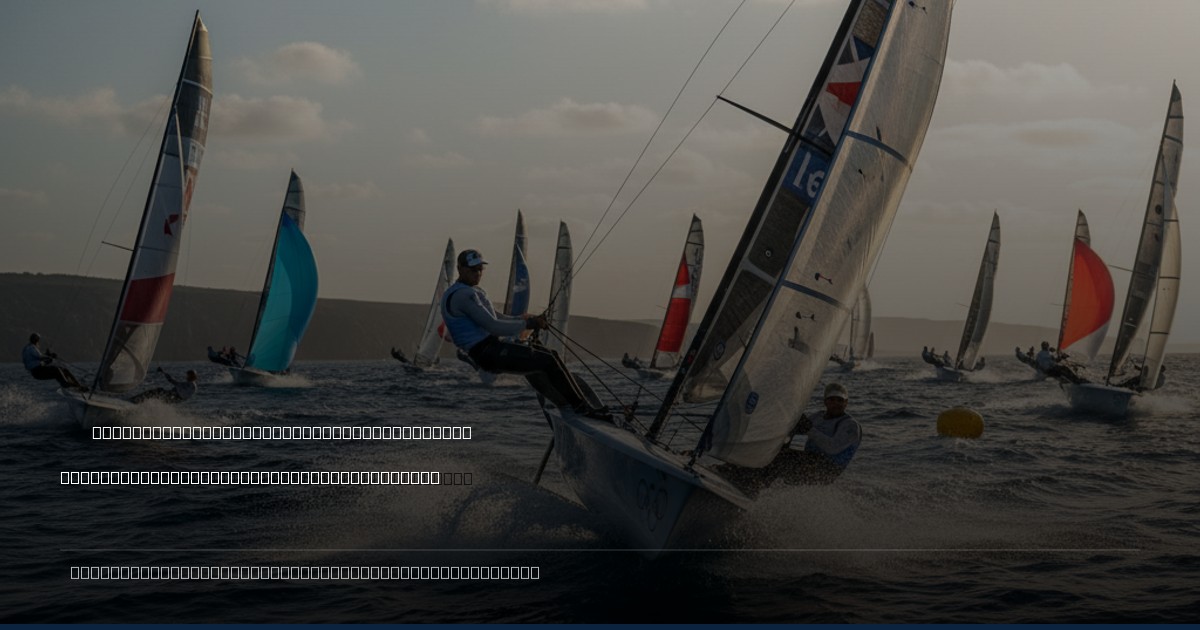
In the relentless pursuit of speed, competitive sailing often fixates on the tangible: the latest North Sails 3Di, the finely tuned Harken hydraulics, the optimized Southern Spars mast. But as Pete Boland's 'Sailfaster' podcast recently highlighted with guest Lara Dallman-Weiss, the true velocity equation extends far beyond the physical.
Dallman-Weiss, an Olympian with a formidable resume spanning 470s to keelboat campaigns, offers a refreshing, holistic perspective. Her insights, gleaned from decades on the water and now as a performance coach, underscore a critical truth often overlooked in the heat of battle: speed is as much a product of human dynamics as it is of hydrodynamics. It’s a concept that resonates deeply with anyone who’s witnessed an America's Cup team like Emirates Team New Zealand execute a flawless maneuver under pressure, or seen a SailGP F50 find an extra knot in marginal conditions.
Lara emphasizes that decision-making, communication, teamwork, and mindset are not ancillary elements; they are foundational. A perfectly shaped wing sail on an AC75 is only as effective as the crew's ability to interpret the wind shifts and communicate those calls instantly. The difference between a podium finish and an also-ran often boils down to a team's collective mental fortitude and their ability to adapt to a rapidly changing racecourse, be it a tidal gate in The Ocean Race or a gusty Olympic venue.
This isn't about ignoring the technical prowess of a Peter Burling or the tactical genius of a Ben Ainslie. Rather, it's about recognizing that their extraordinary individual talents are amplified exponentially by a cohesive, well-oiled team. Dallman-Weiss’s message is clear: to truly sail faster, you must first master the human element.