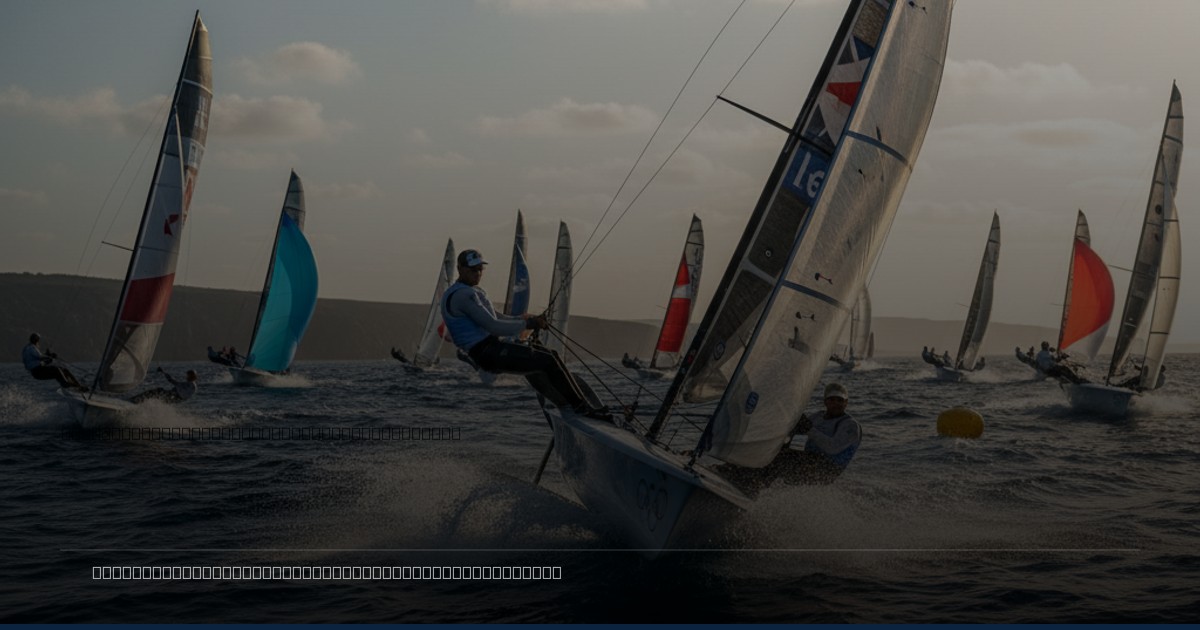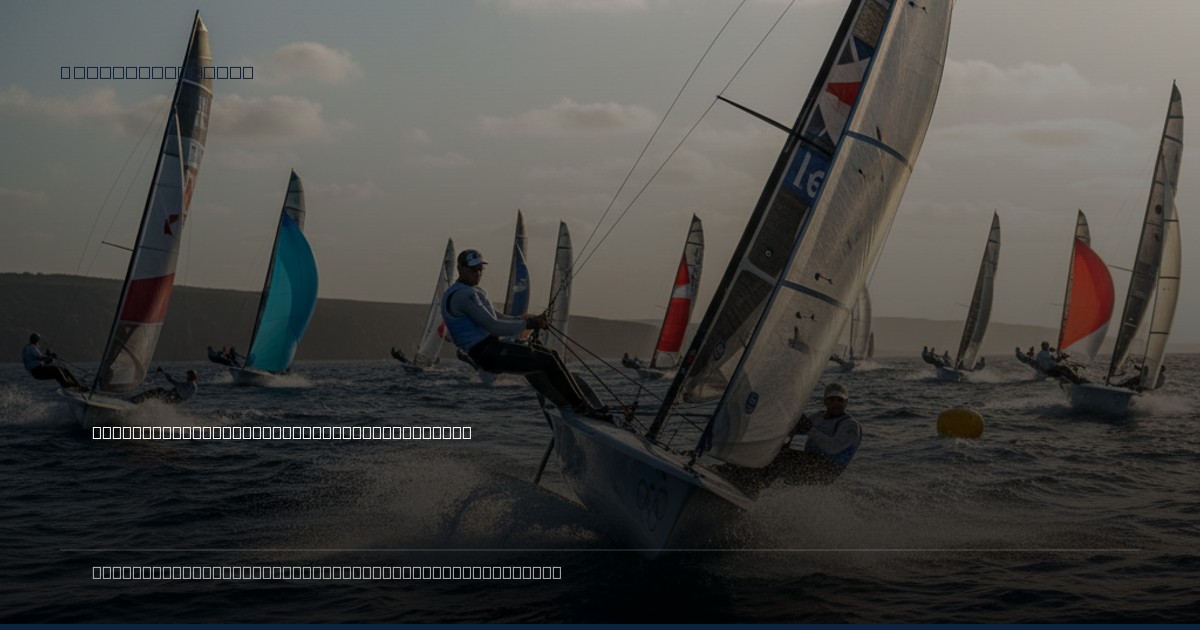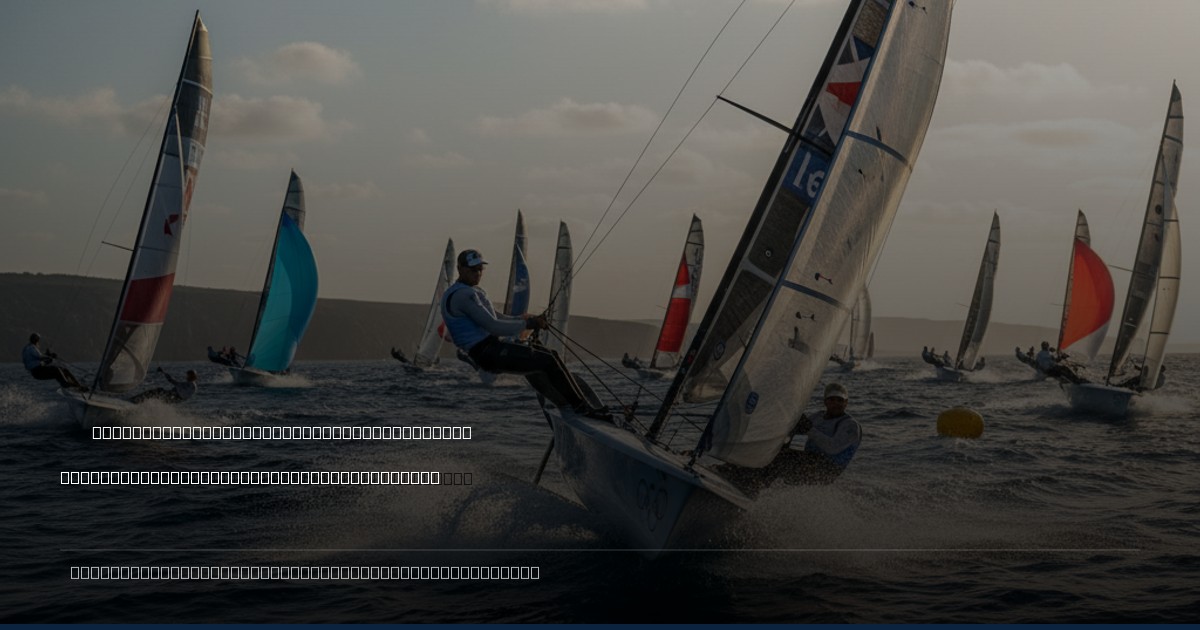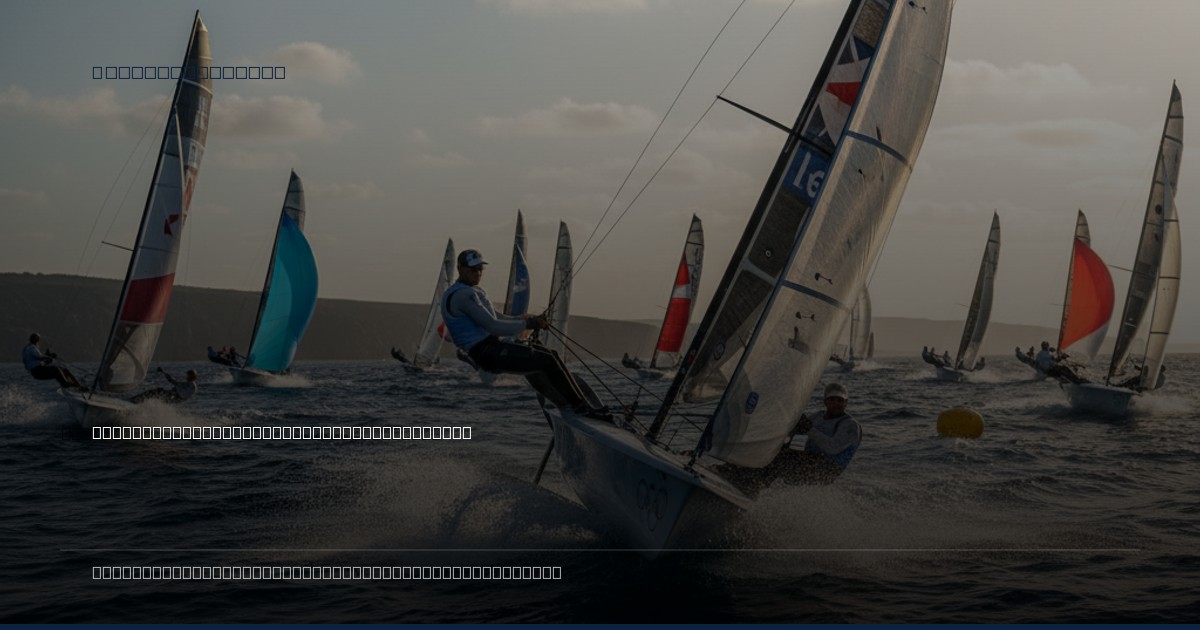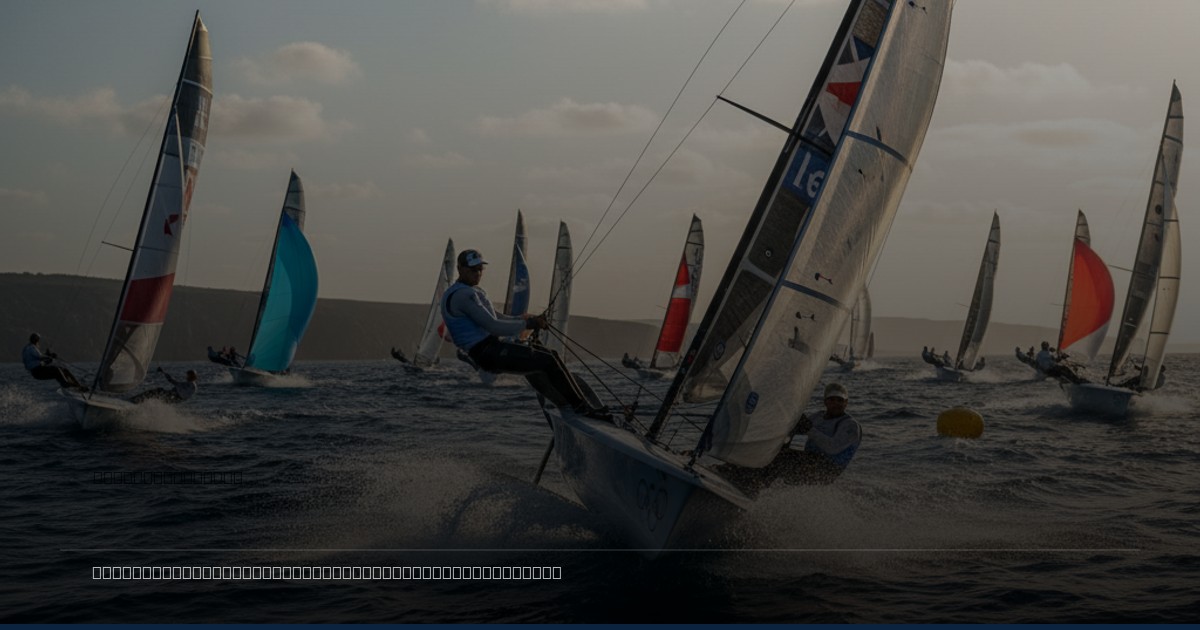
The Mediterranean rarely disappoints, and this year's French Olympic Week in Marseille proved no exception, delivering a high-stakes drama culminating in a triumphant gold for Australia's Grae Morris. For those of us who've tracked the Finn class and now the iQFOIL, Morris's performance was a compelling blend of raw speed and calculated aggression, a redemption arc played out on the very waters that will host the Olympic sailing circus in 2024.
Morris's victory wasn't a walk in the park; it was a testament to grit and strategic patience. The final series, often a crucible for even the most seasoned campaigners, saw him battling not just the competition but the capricious shifts of a Mediterranean breeze. These are the conditions that separate the contenders from the pretenders – where a subtle wind shift, a perfectly timed gybe, or a judicious tack can mean the difference between glory and despair. We've seen it time and again, from the America's Cup match races to the grand prix circuits; the ability to adapt, to read the water like a well-worn chart, is paramount.
This gold medal isn't just another bauble for Morris's trophy cabinet; it’s a significant marker. Winning on the Olympic course, under the watchful eyes of competitors and coaches alike, provides an invaluable psychological edge. It’s a statement of intent, a declaration that his preparation, his equipment – likely finely tuned with insights from specialists like North Sails and Harken – and his mental fortitude are peaking at precisely the right moment. With Paris 2024 looming, Morris has laid down a formidable gauntlet, proving he's a force to be reckoned with when the ultimate prize is on the line.