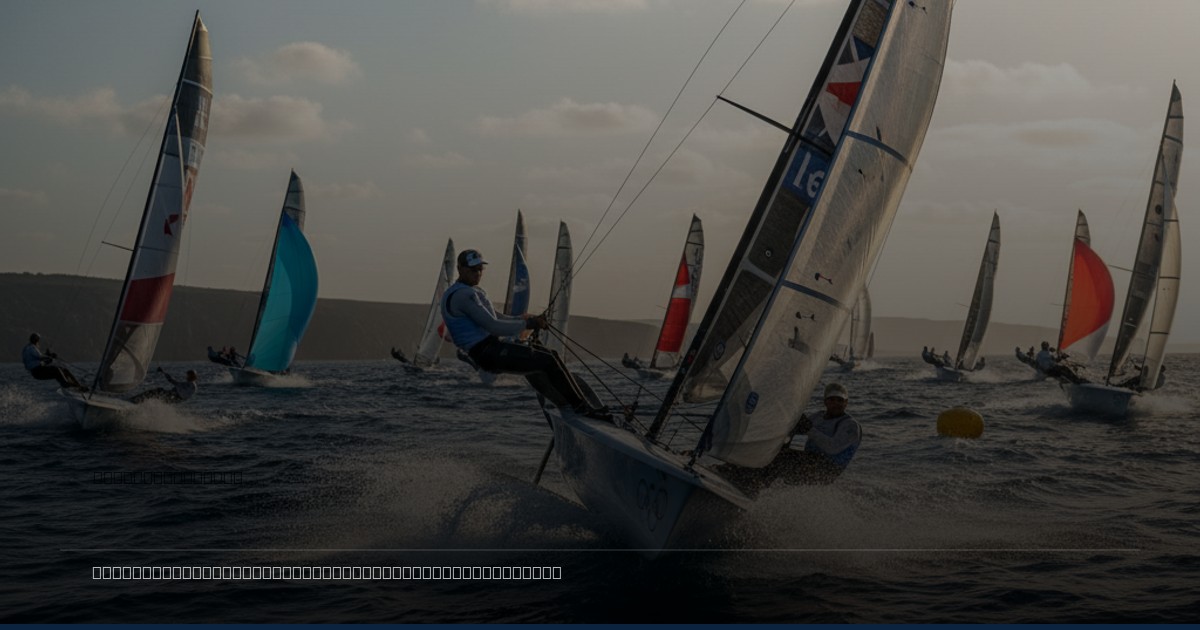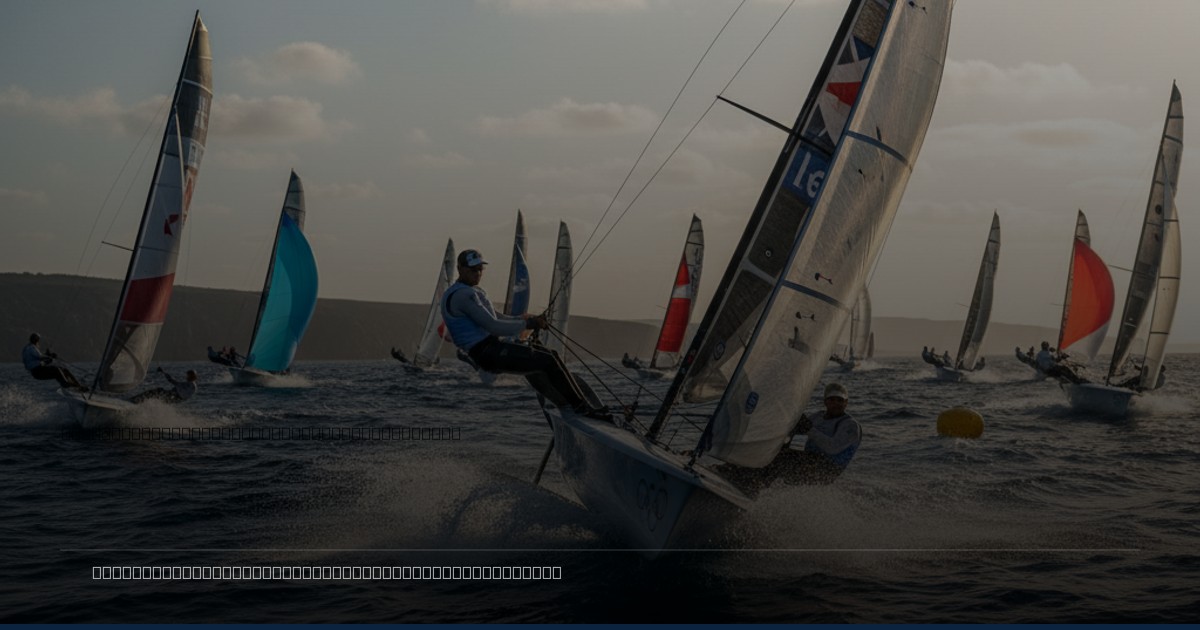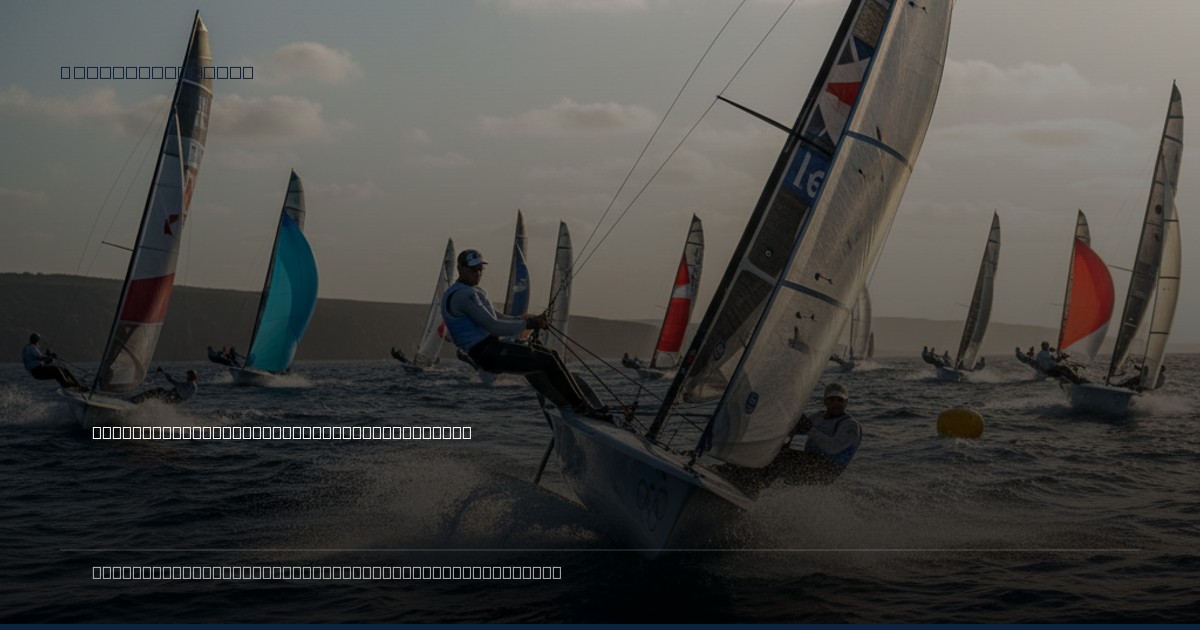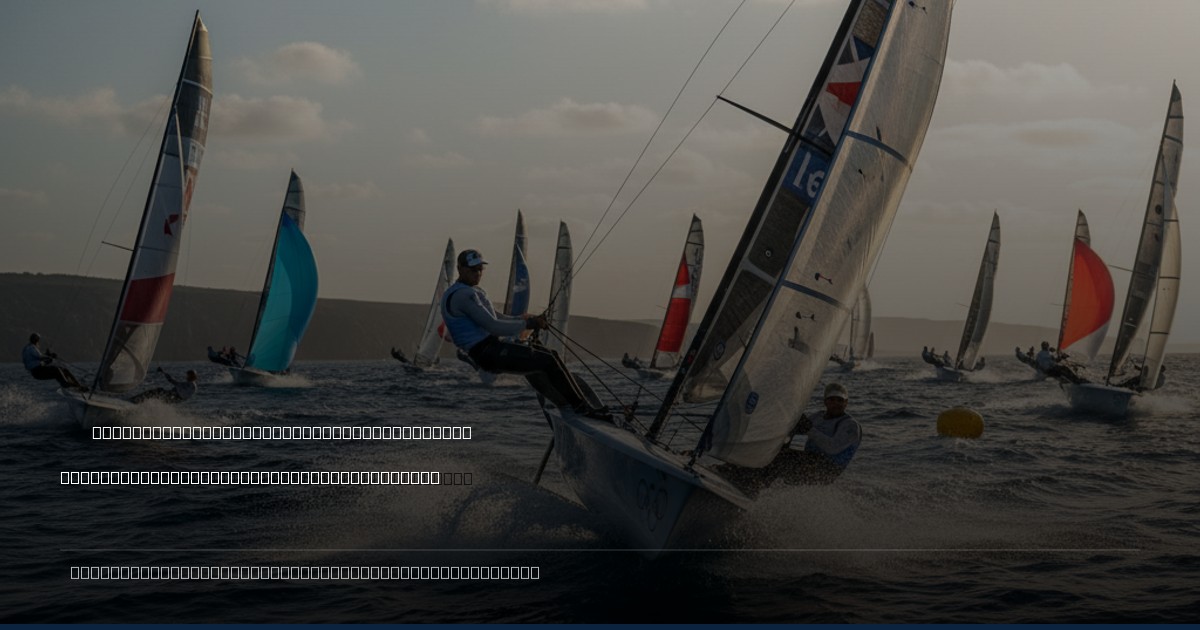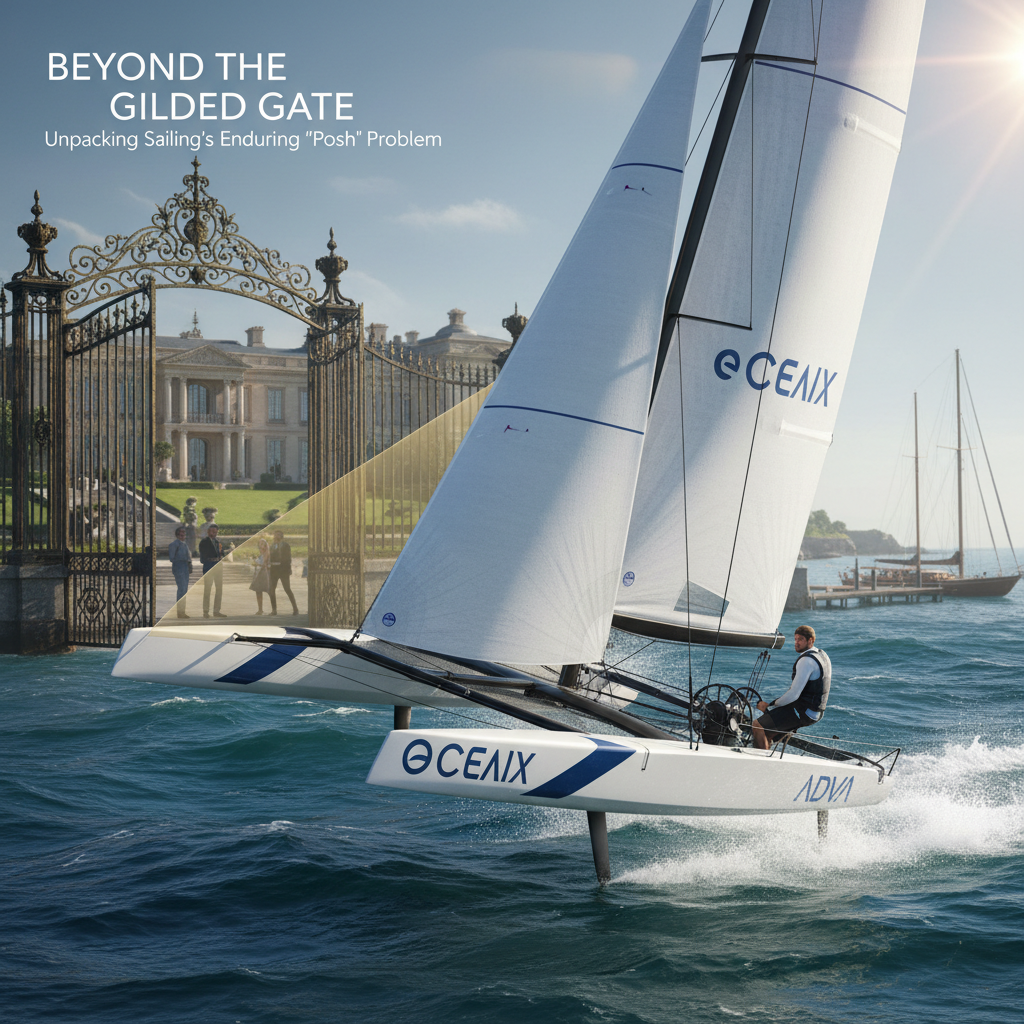
The recent musings from *Sailing Scuttlebutt* regarding sailing's persistent 'posh' narrative strike a familiar chord for anyone who's spent decades on the water, from the dinghy park to the superyacht circuit. Indeed, the perception of sailing as an exclusive, high-society pursuit is as old as the sport itself, a legacy baked into the very fabric of yacht clubs and the stratospheric budgets of campaigns like the America's Cup.
It's a dichotomy we've seen play out for generations. While the Olympics rebranded 'yachting' to 'sailing' back in 2000 in a bid for broader appeal, the fundamental economics of competitive sailing remain a formidable barrier. A top-tier grand prix program, let alone an AC campaign like Emirates Team New Zealand or INEOS Britannia, requires hundreds of millions of dollars. This isn't just about the bespoke North Sails 3Di inventory or the custom Southern Spars rig; it's the R&D, the foiling technology, the shore teams, and the sheer logistical might.
Yet, the sport is fighting back. SailGP, with its stadium-style racing and accessible F50 catamarans, is a deliberate attempt to democratize the spectacle, bringing the high-octane thrill of foiling to a wider audience. Peter Burling and Tom Slingsby, rockstar athletes, are now household names beyond the traditional sailing bubble. But even here, the initial investment to get a team on the grid is substantial. The challenge isn't just changing a name; it's about altering the fundamental access points and cost structures that have defined sailing for centuries. The 'gilded gate' isn't just a perception; it's often a very real financial barrier.