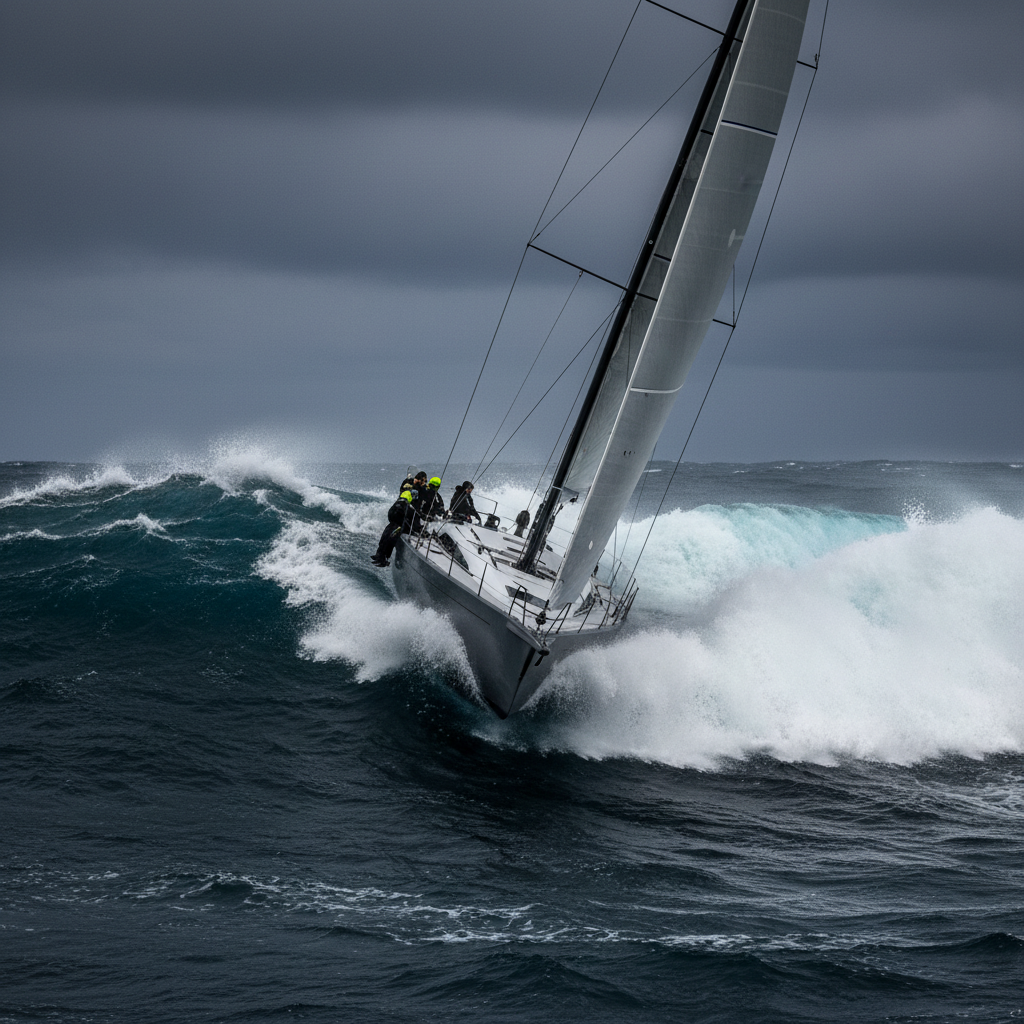
The Saffir-Simpson Hurricane Wind Scale – that ubiquitous 1-5 rating – has become the common vernacular for assessing tropical cyclone threats. From the coastal communities of the Gulf to the yacht clubs of New England, it’s the metric that dictates evacuation orders and insurance premiums. Yet, for those of us who spend our lives on the water, who understand the nuanced brutality of a truly enraged ocean, this singular focus on maximum sustained wind speed is, frankly, a woefully inadequate measure of true peril.
Any seasoned offshore sailor, anyone who’s ever wrestled a boat through a proper blow, knows that wind speed, while critical, is but one facet of a storm's destructive power. What about the sea state? The monstrous, breaking waves that can dismast a Southern Spars rig or swamp a meticulously prepared yacht? A Category 2 storm, moving slowly over shallow waters, can generate a far more dangerous and destructive sea state than a faster-moving Category 4 in the open ocean. This is where the Saffir-Simpson scale utterly fails us.
Then there’s the storm surge – the wall of water that inundates coastal areas, capable of lifting entire marinas and depositing them miles inland. This phenomenon, driven by a complex interplay of wind, atmospheric pressure, and bathymetry, has little direct correlation to a simple wind speed number. For a competitive sailor, particularly those involved in shore-side operations for an America's Cup campaign or a SailGP event, understanding the full spectrum of a hurricane's impact, not just its wind, is paramount. We need a more comprehensive, multi-dimensional threat assessment, one that acknowledges the true, multifaceted danger of a hurricane, not just its ability to bend anemometer cups.