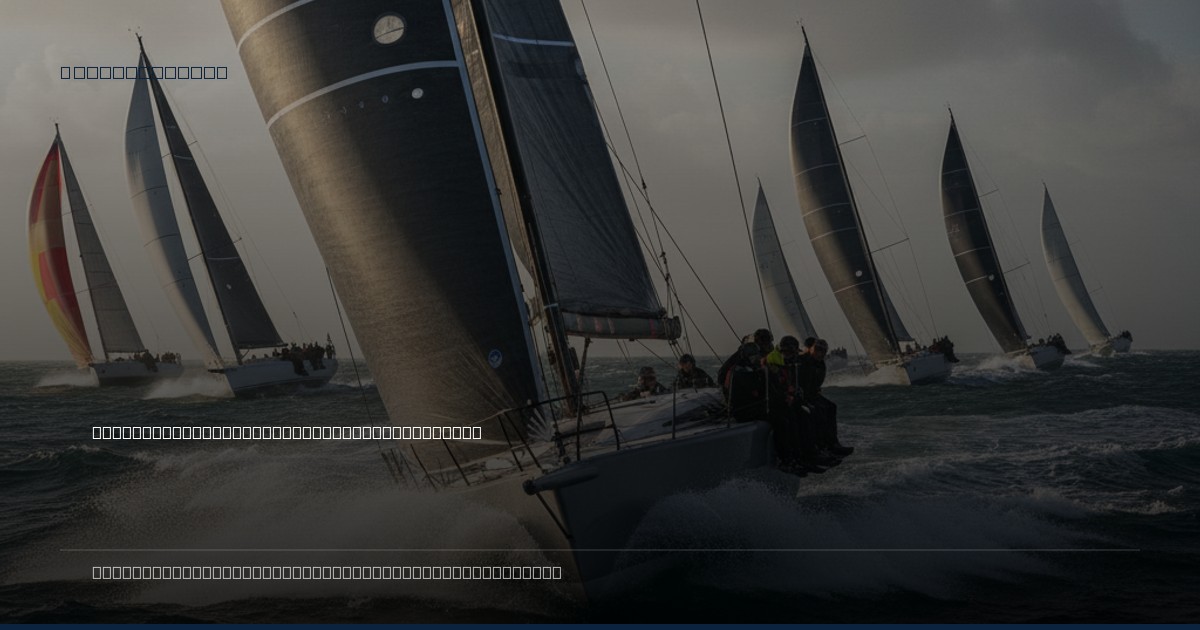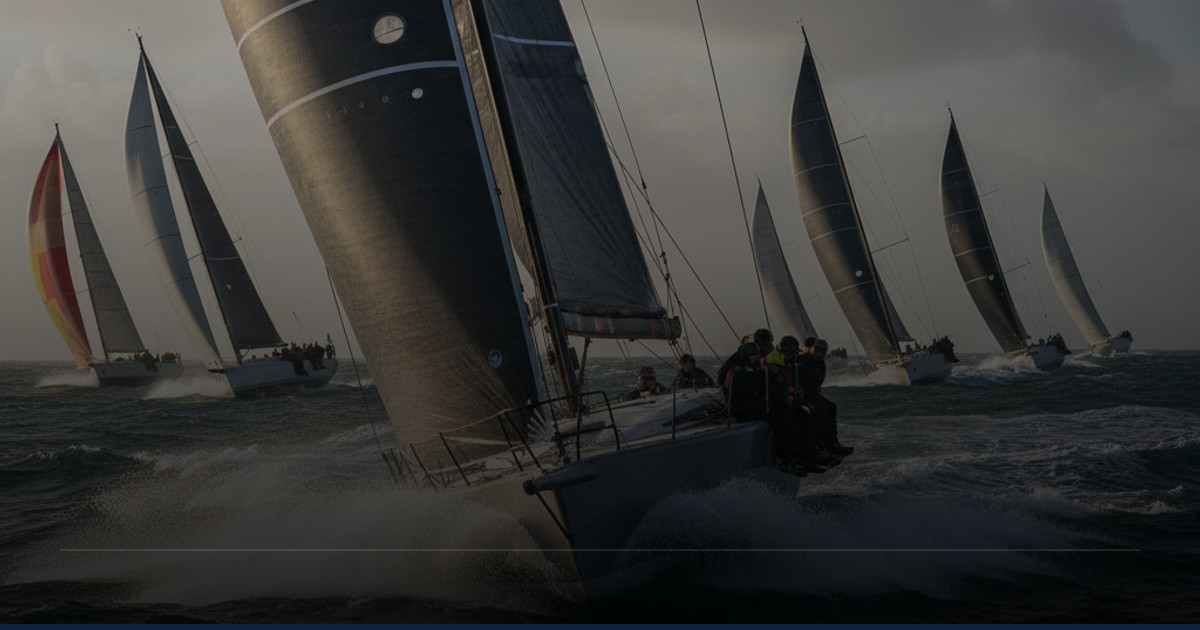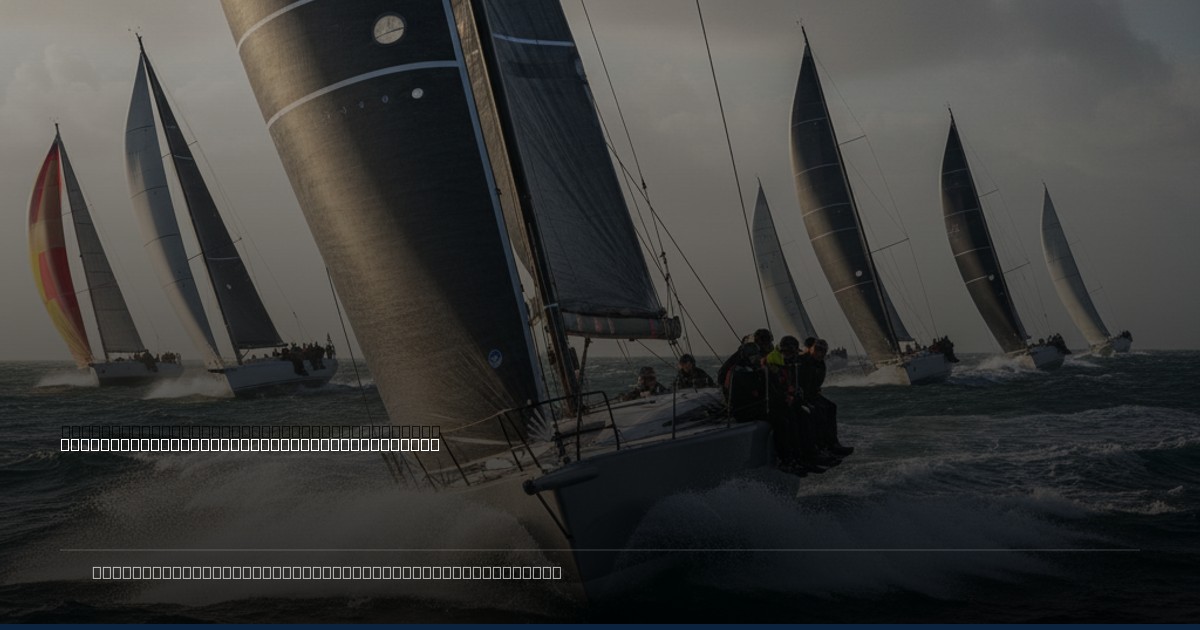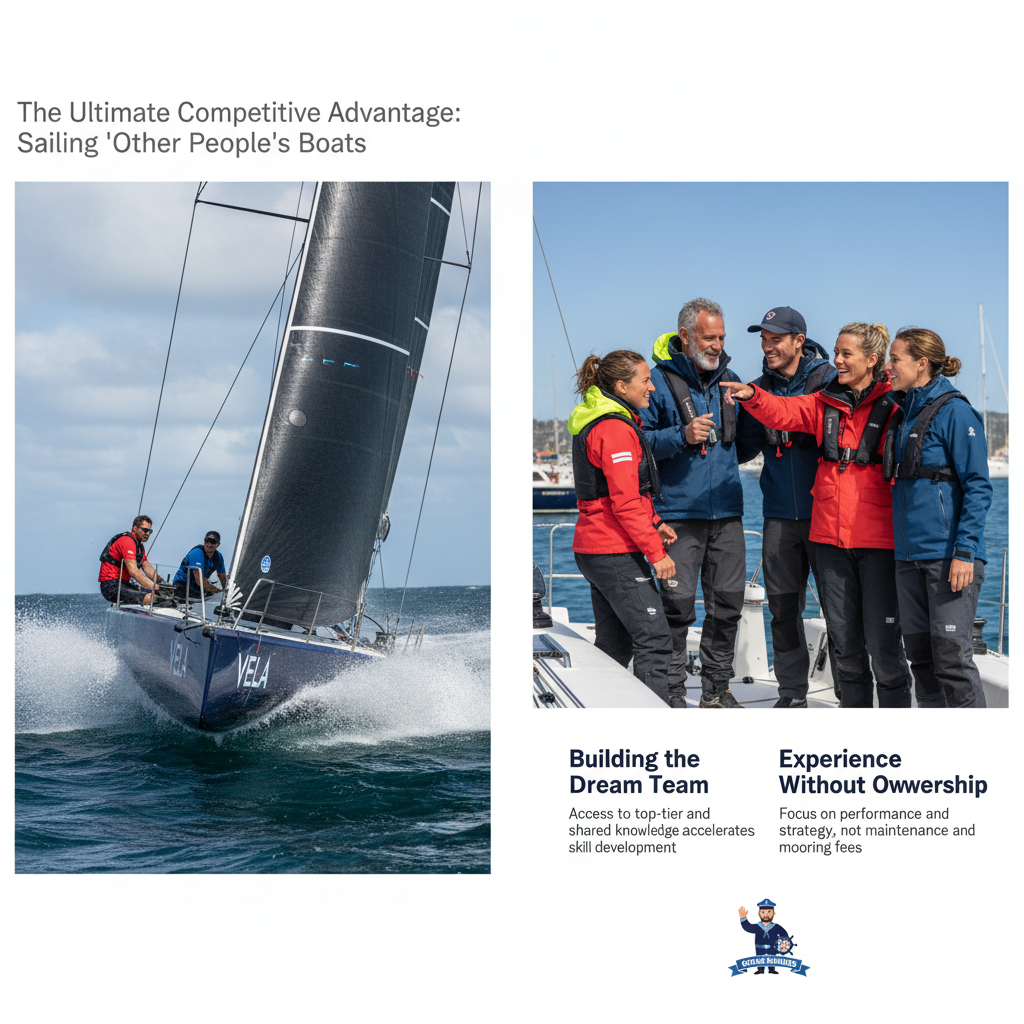
In the cutthroat world of competitive sailing, where marginal gains dictate podium finishes and hundred-million-dollar campaigns hinge on a fraction of a knot, the pursuit of experience is paramount. And as Lydia Mullan, editor of SAIL magazine, recently highlighted, one of the most potent, yet often overlooked, avenues for this growth is the venerable practice of sailing 'Other People's Boats' – the OPB philosophy.
Charles Scott's musings in the May issue, detailing his myriad voyages thanks to generous invites and a proactive spirit, resonate deeply within our sport. From the club racer honing their tactical acumen on a different keelboat to the grand prix professional stepping onto a new foiling platform, the benefits are undeniable. Think of the insight gained by a Harken engineer testing their hardware on a variety of rigs, or a North Sails designer seeing their sail plans perform across diverse hull shapes and crew dynamics.
For the aspiring America's Cup helmsman, the ability to adapt to a new boat's idiosyncrasies – be it the nuanced trim of a wing sail on a AC75 or the precise daggerboard adjustments on a SailGP F50 – is invaluable. Peter Burling and Tom Slingsby, masters of multiple classes, didn't achieve their dominance by sticking to one craft. They embraced the OPB philosophy, constantly expanding their understanding of naval architecture, rig tune, and crew communication. It’s not just about the seat time; it's about the exposure to different systems, different team cultures, and ultimately, different ways of winning. In a sport where innovation is constant, the OPB isn't just a pleasant diversion; it's a strategic imperative.