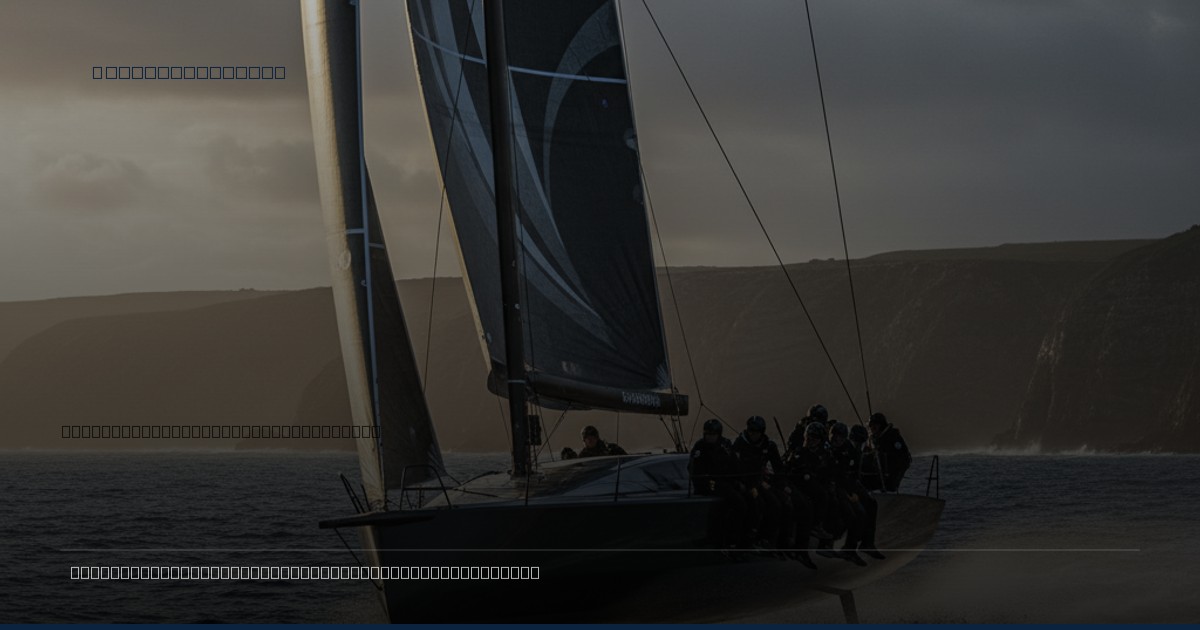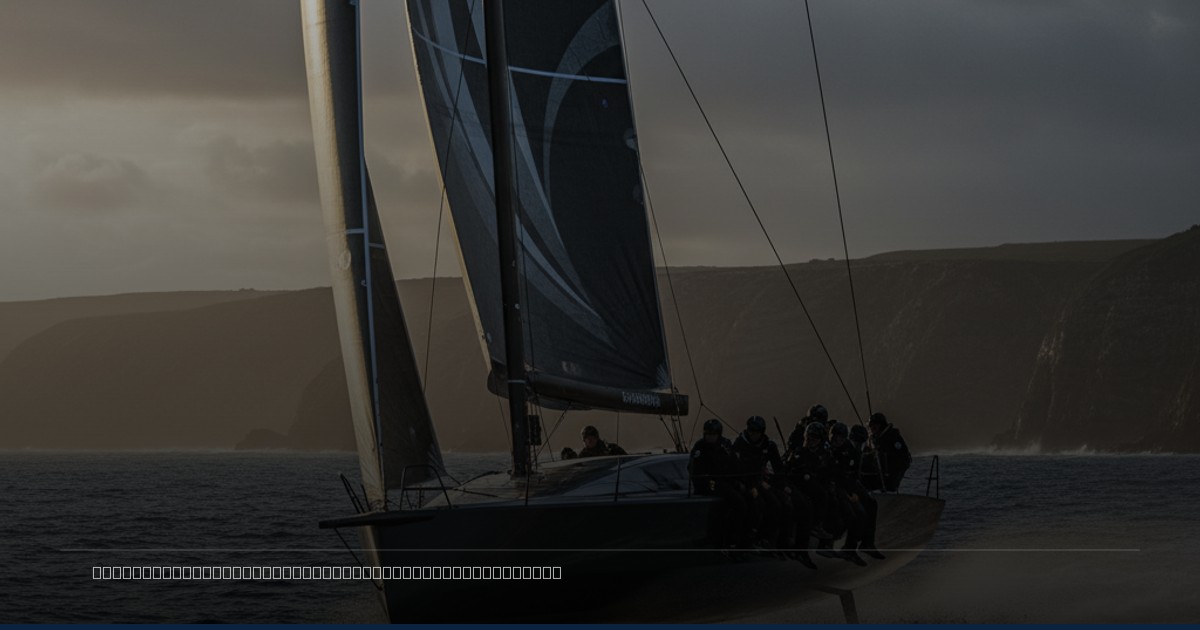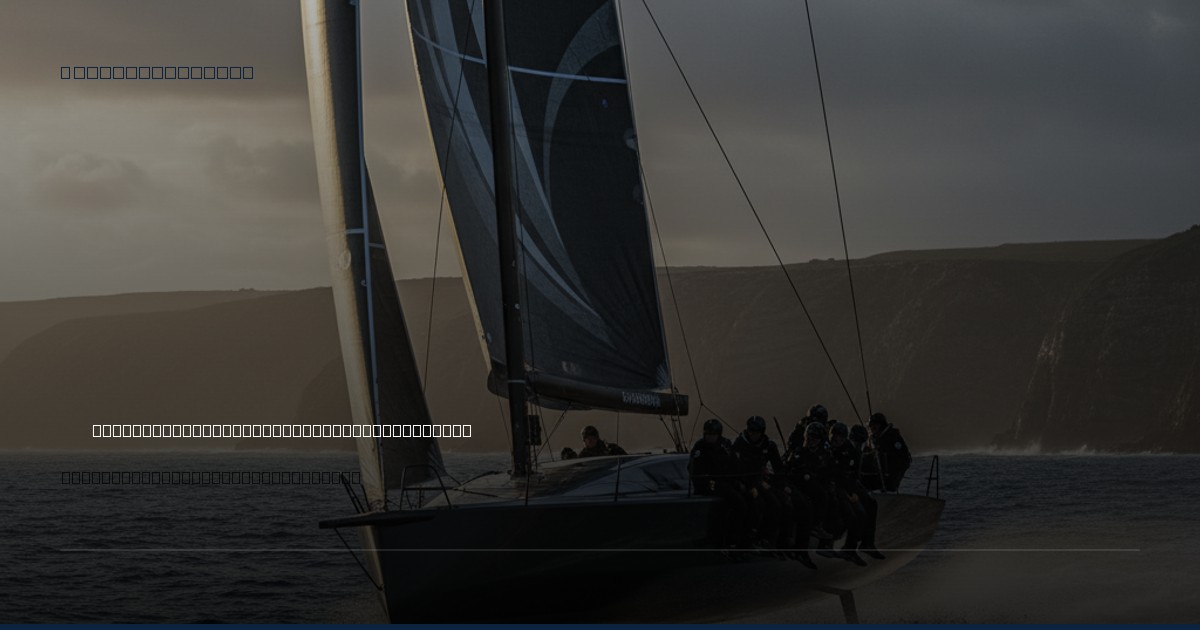
For decades, the pursuit of speed in offshore racing has largely revolved around refining traditional hull forms, albeit with ever-increasing complexity in appendages and sail plans. Yet, a quiet revolution has been brewing, and with the launch of the Mach 50 Palanad 4, it's now impossible to ignore. This isn't just another 50-footer; it's a bold statement, a visceral reimagining of what an offshore racer can be, and it's sending ripples through the IRC fleet.
Louay Habib's report for Yachting World aptly captures the initial shock. The Palanad 4's scow bow, a feature more commonly associated with dinghies or extreme foiling craft, is scaled to an unprecedented degree for a yacht of this size. This isn't about elegant lines or classic yacht aesthetics; it's about raw, unadulterated hydrodynamic efficiency, particularly when powered up. The blunt nose maximizes waterline length and volume forward, promising exceptional stability and lift, especially in a seaway. This design philosophy directly challenges the pointed bow convention that has dominated IRC optimization for so long.
The implications for windward performance, downwind planing, and even crew comfort are profound. While a traditional bow punches through waves, a scow can ride over them, reducing pitching and potentially maintaining higher average speeds. The increased volume forward also offers more internal space, a luxury in a 50-foot offshore racer. Will we see North Sails and Southern Spars adapting their designs to this new paradigm? How will Harken's deck hardware be configured for such a unique platform? The Palanad 4 isn't just a boat; it's a gauntlet thrown down, forcing naval architects, race organizers, and competitors alike to reconsider the very foundations of offshore performance.