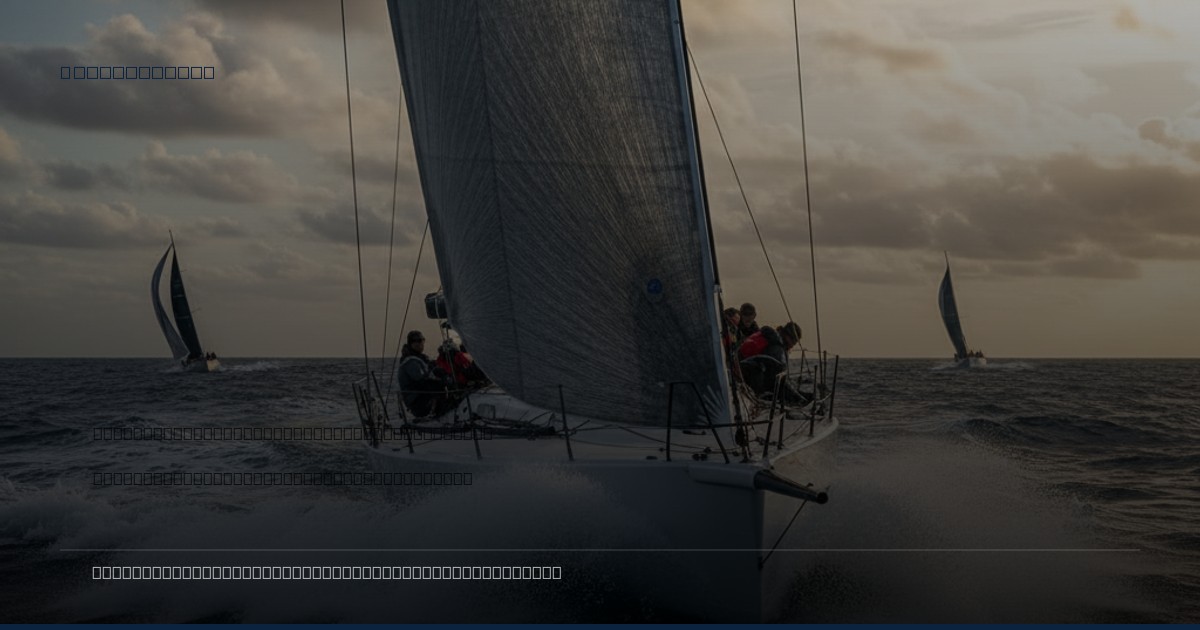
The early morning mist clinging to the Thames on Saturday, March 21st, offered a less-than-inspiring vista for the Enterprise fleet. Forecasts of single-digit zephyrs had many a seasoned campaigner contemplating a leisurely brunch rather than a day of light-air frustration. Yet, as any sailor who has spent a lifetime chasing the elusive breeze knows, the water often has a different story to tell.
Indeed, as the sun climbed, the ethereal mist gave way to a brilliant blue sky, painting the Thames in a shimmering light. And with that light came ripples – the faintest promise of wind, enough to stir the competitive spirit. This wasn't a day for brute force or the sheer power of a wing sail; this was a day for finesse, for reading the water like a well-worn chart, for coaxing every ounce of drive from a perfectly trimmed soft sail.
Navigating the fickle currents and subtle shifts of the Thames in such conditions demands a unique blend of local knowledge and acute observational skills. Sailors would have been acutely aware of every puff, every subtle header or lift, making minute adjustments to their Harken blocks and North Sails to maintain momentum. This was a chess match on water, where a well-executed tack or a perfectly timed gybe could mean the difference between a podium finish and a frustrating drift. While the grand prix circuit often showcases the raw power of foiling machines, days like these remind us of the enduring beauty and tactical depth of traditional dinghy racing, a proving ground for the next generation of America's Cup tacticians.