The roar of the crowd, the sudden death of a single loss, the sheer, unadulterated tension of March Madness has once again captivated sports fans, whittling down 68 collegiate basketball teams to a formidable Sweet Sixteen. As Scuttlebutt's Craig Leweck rightly points out, this 'round ball' spectacle is a masterclass in elite team superiority, punctuated by moments of 'Madness' that define legends and break hearts. It’s a format that makes a seasoned observer of the America's Cup, like myself, ponder: what if?
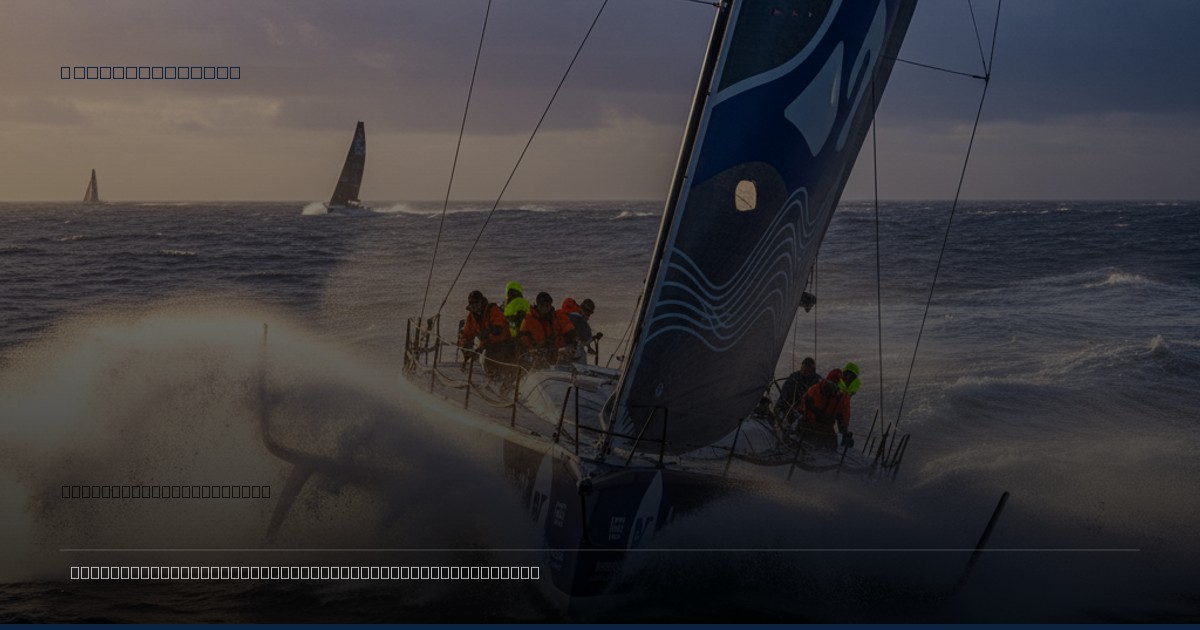
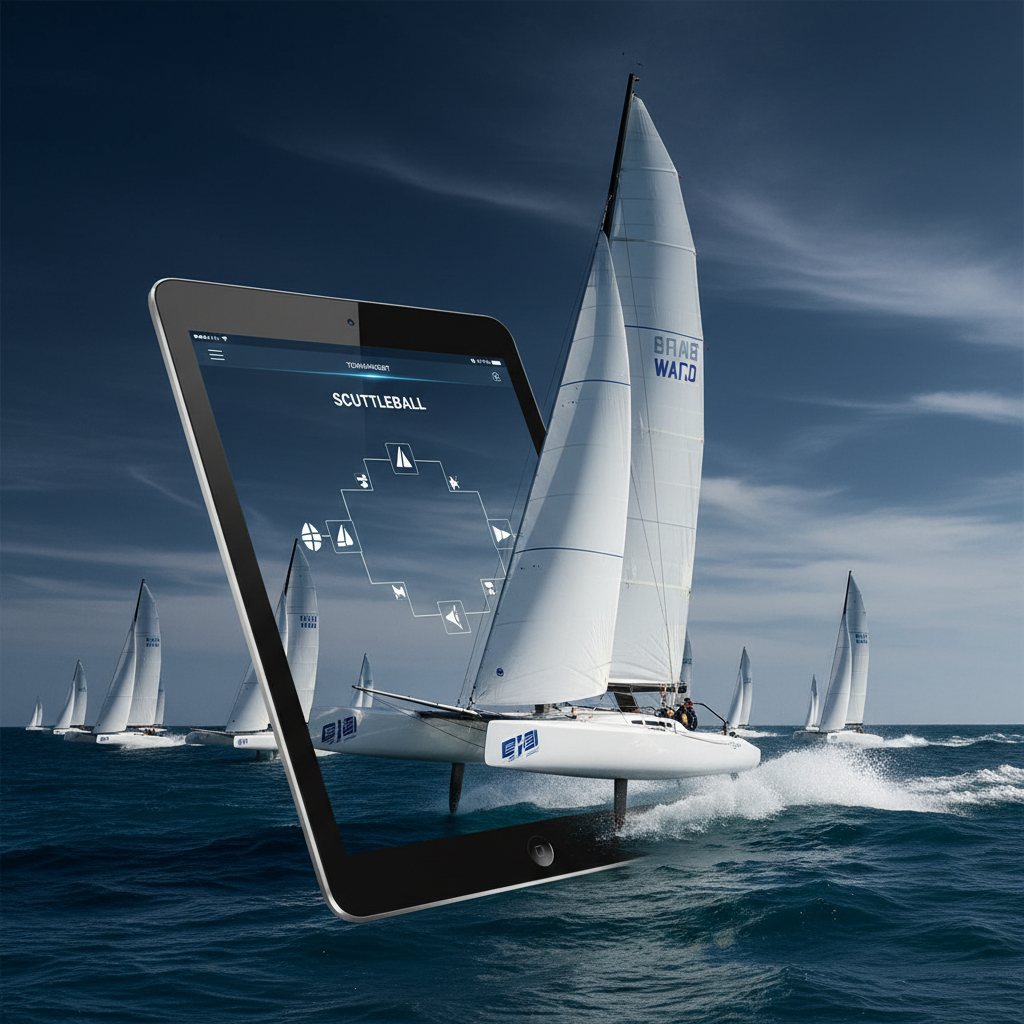
Imagine the SailGP circuit, or even a future America's Cup Challenger Series, adopting such a brutal, single-elimination structure. Forget the round-robin points-based systems; picture Emirates Team New Zealand, INEOS Britannia, Luna Rossa, and American Magic, each with their meticulously engineered Southern Spars and North Sails wardrobes, facing off in a sudden-death match race. One mistake, one missed tidal gate, one tactical blunder by a Peter Burling or a Ben Ainslie, and their campaign, representing hundreds of millions in investment and years of development, is over. The pressure would be immense, the viewership astronomical.
While the complexities of competitive sailing – the fickle winds, the intricate Harken systems, the sheer logistics of moving these grand prix machines – make a true 'bracket' system challenging, the core appeal remains. The 'win or go home' narrative is universally compelling. It forces teams to be at their absolute peak, to execute flawless foiling maneuvers, and to have their weather routing dialed in with surgical precision. It’s a concept that, while perhaps too radical for the current Olympic or Ocean Race formats, offers a tantalizing glimpse into a future where sailing's elite compete under the most unforgiving, yet utterly thrilling, of conditions.