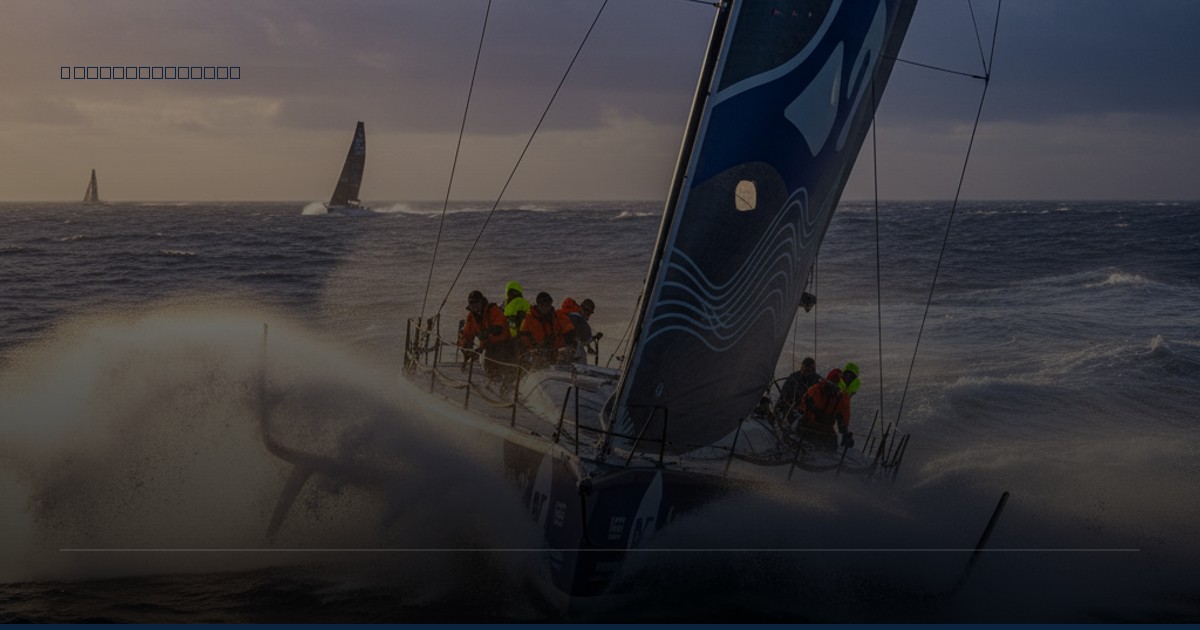
For decades, the Solitaire du Figaro has been the exclusive domain of French sailing's elite, a brutal, multi-stage solo offshore race in identical Figaro 3s that demands unparalleled seamanship, tactical acumen, and sheer mental fortitude. It's where legends like Michel Desjoyeaux and Armel Le Cléac'h honed their craft before conquering the Vendée Globe. But as we look towards the 2026 edition, the tide is undeniably turning.
The preview for the 2026 Paprec edition highlights a compelling narrative: the 'internationalization' of this iconic event. We're not just talking about a token entry; this is a wave. From Irish champions, who've long understood the unforgiving nature of the Atlantic, to pioneering American sailors, the global sailing community is recognizing the Figaro as the ultimate finishing school for offshore excellence. This isn't just about participation; it's about genuine contention.
What's driving this shift? Perhaps it's the universal appeal of pure, unadulterated boat-on-boat racing, stripped of the multi-million dollar budgets of an America's Cup campaign or the crew dynamics of The Ocean Race. The Figaro 3, with its foils and sophisticated electronics, offers a modern platform for classic offshore challenges – navigating tidal gates, executing precise wind strategy, and managing sleep deprivation over hundreds of miles. For sailors from diverse backgrounds, it offers a direct pathway to understanding the intricate dance between man, machine, and the ocean, skills that are transferable across the entire grand prix circuit, from IMOCAs to Class 40s. The 2026 Solitaire promises to be a truly global spectacle, redefining the benchmark for solo offshore racing.