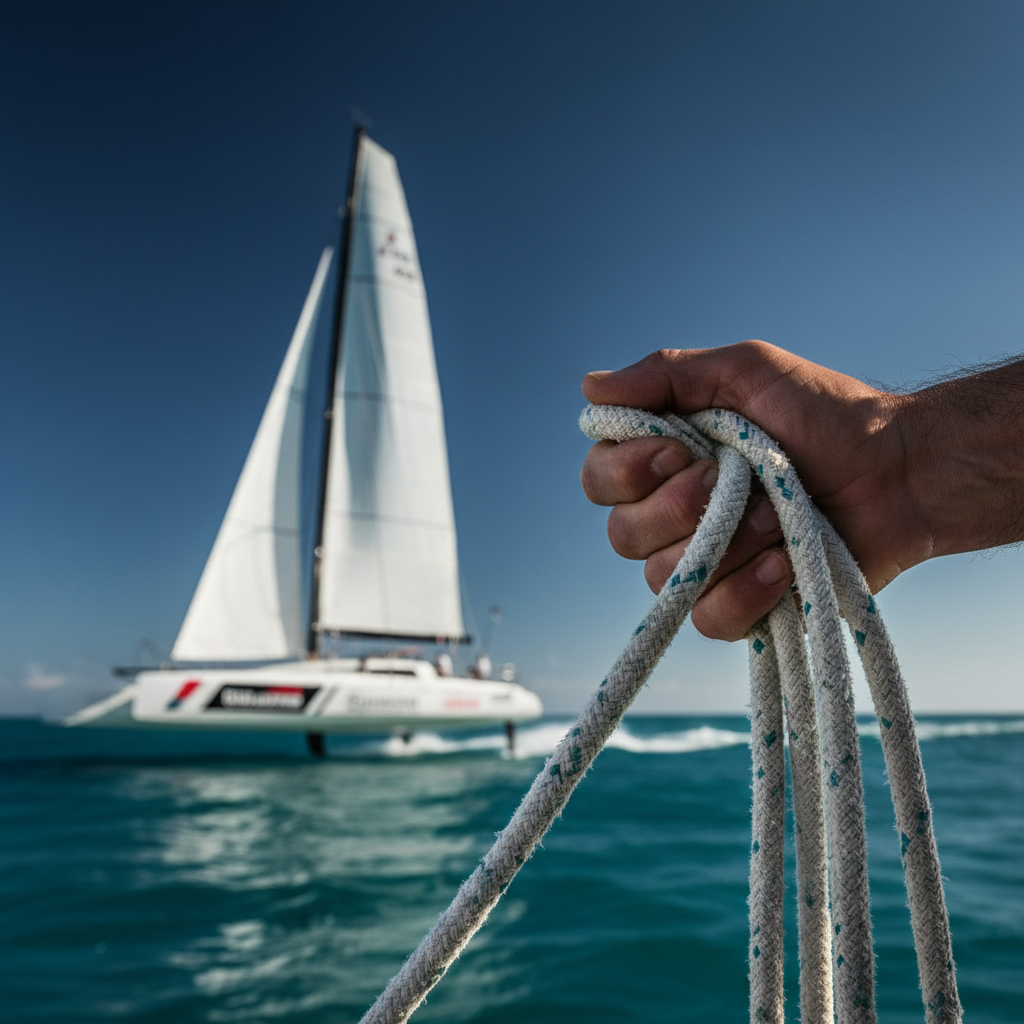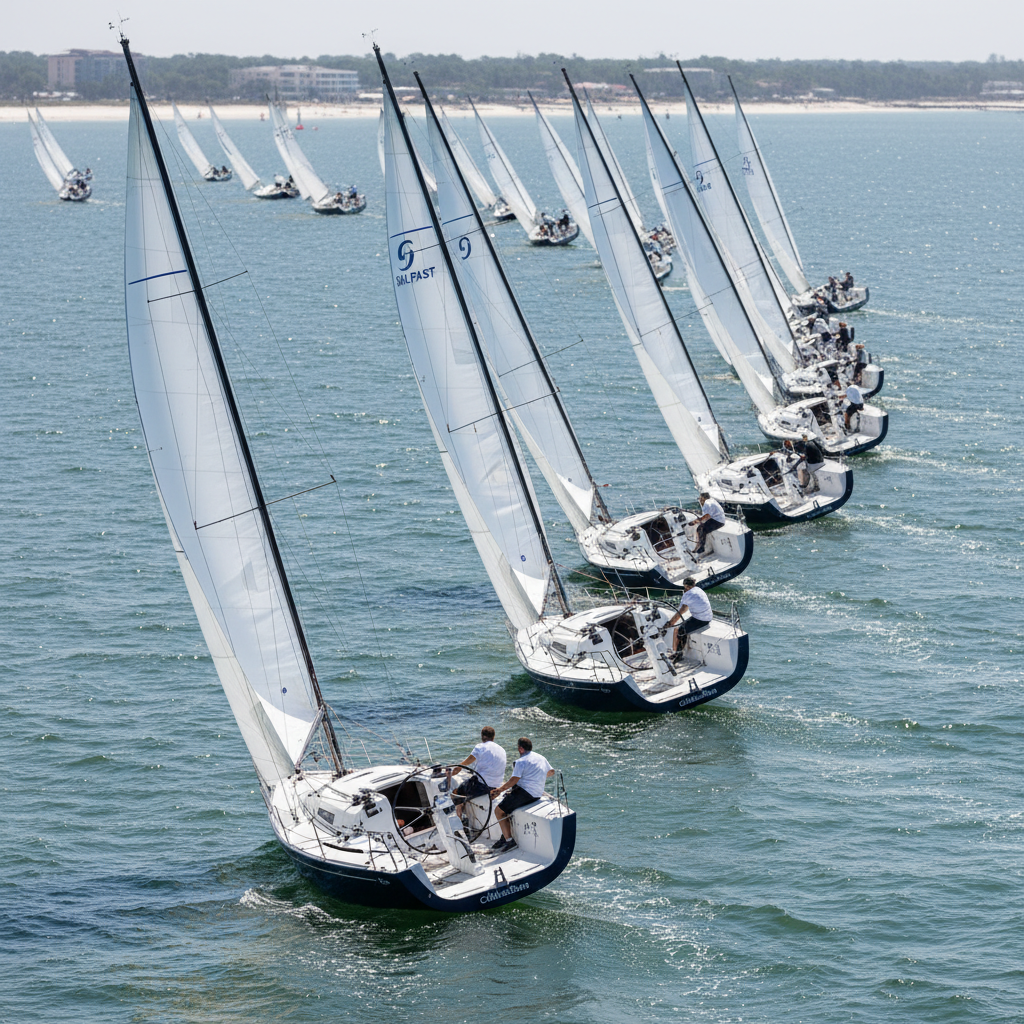
Pensacola Bay recently played host to a significant moment in American keelboat racing: the inaugural ClubSwan 28 Nations League USA event. For those of us who've tracked the evolution of grand prix sailing, from the IOR beasts of yesteryear to today's foiling marvels, the return of a strong ClubSwan presence stateside is a welcome development, particularly in a dedicated one-design class.
While the America's Cup campaigns push the boundaries of hydrodynamics and sail technology with wing sails and intricate Harken systems, and SailGP showcases the raw speed of foiling F50s, the ClubSwan 28 offers a different, yet equally compelling, challenge. This isn't about multi-million dollar R&D budgets or the latest Southern Spars carbon fiber wizardry; it's about pure sailing skill, tactical acumen, and boat handling within a tightly controlled box rule. The beauty of one-design, as we've seen in classes from the J/70s to the TP52s, is that it strips away the equipment advantage, leaving the crew and their strategic decisions – reading the wind shifts, mastering the tidal gates, executing flawless mark roundings – as the primary determinants of success.
The growing fleet on Pensacola Bay is a testament to the enduring appeal of the Swan pedigree and the vision of Nautor Swan. For competitive sailors, yacht club members, and marine industry professionals, this isn't just another regatta; it's the laying of groundwork for a vibrant new circuit. Expect to see these nimble 28-footers, likely sporting North Sails inventories, become a staple on the American racing calendar, attracting top amateur and professional talent eager to test their mettle in a truly level playing field. The implications for the broader sailing scene, fostering new talent and rekindling a passion for accessible high-performance racing, are profound.