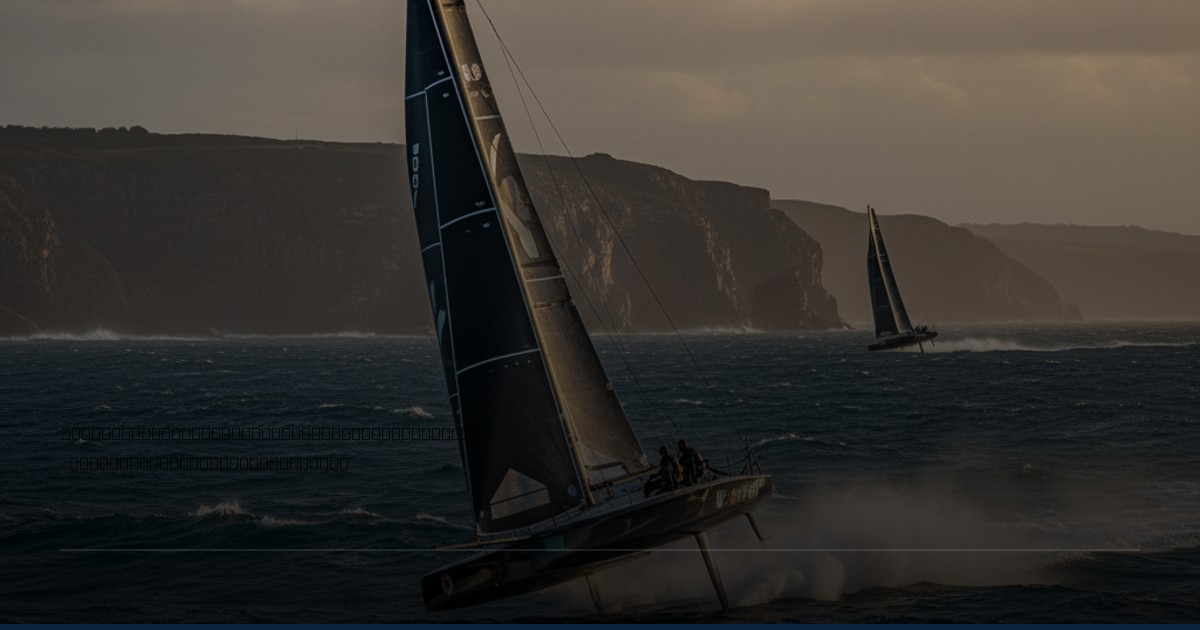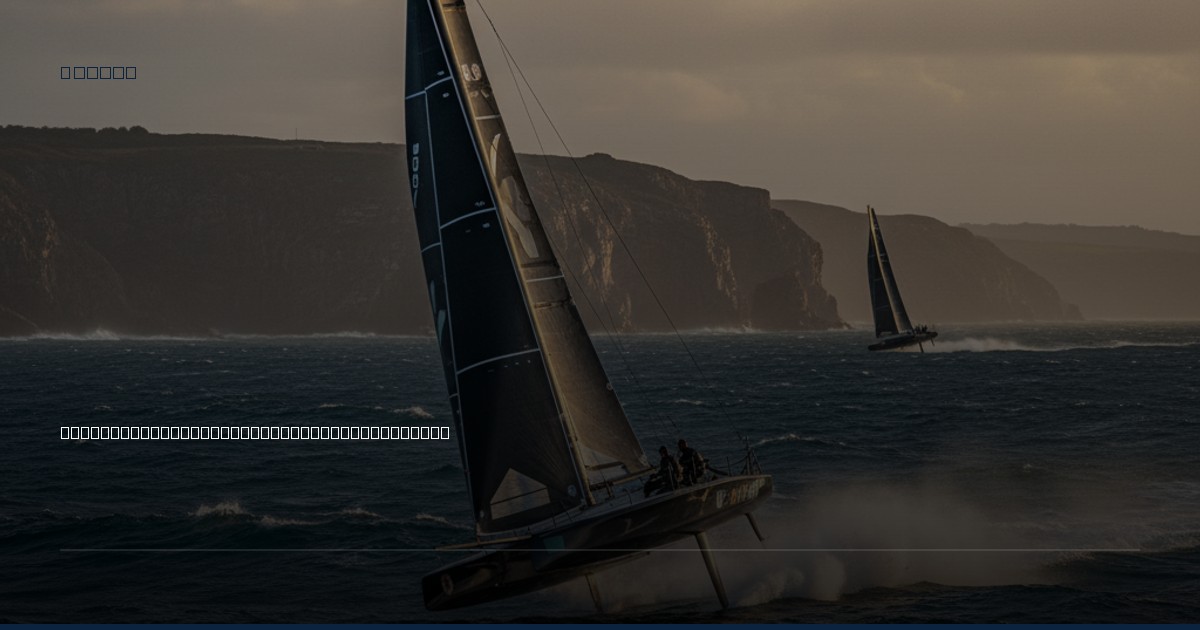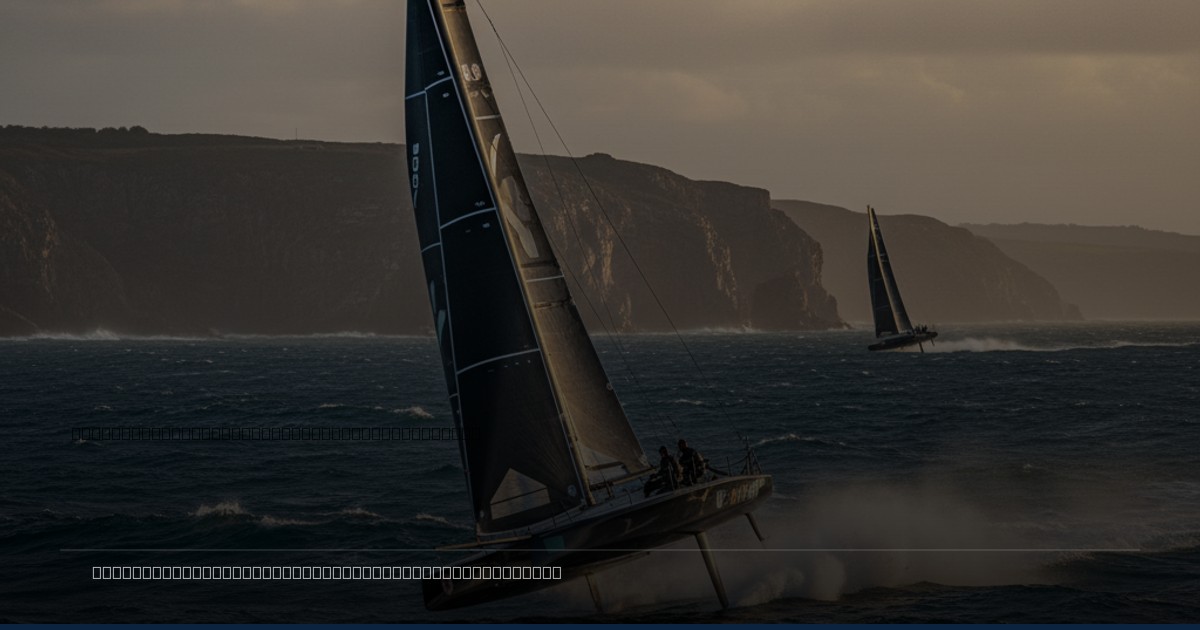
For those of us who've watched the America's Cup evolve from IACC sloops to the hydrofoiling marvels of AC72s and AC75s, the rapid ascent of SailGP's F50 circuit has been both exhilarating and, frankly, a little terrifying. These machines are not just fast; they demand an entirely new breed of sailor – a blend of fighter pilot, tactician, and athlete. The challenge, as SailGP CEO Russell Coutts rightly identifies, isn't just finding the talent, but cultivating it.
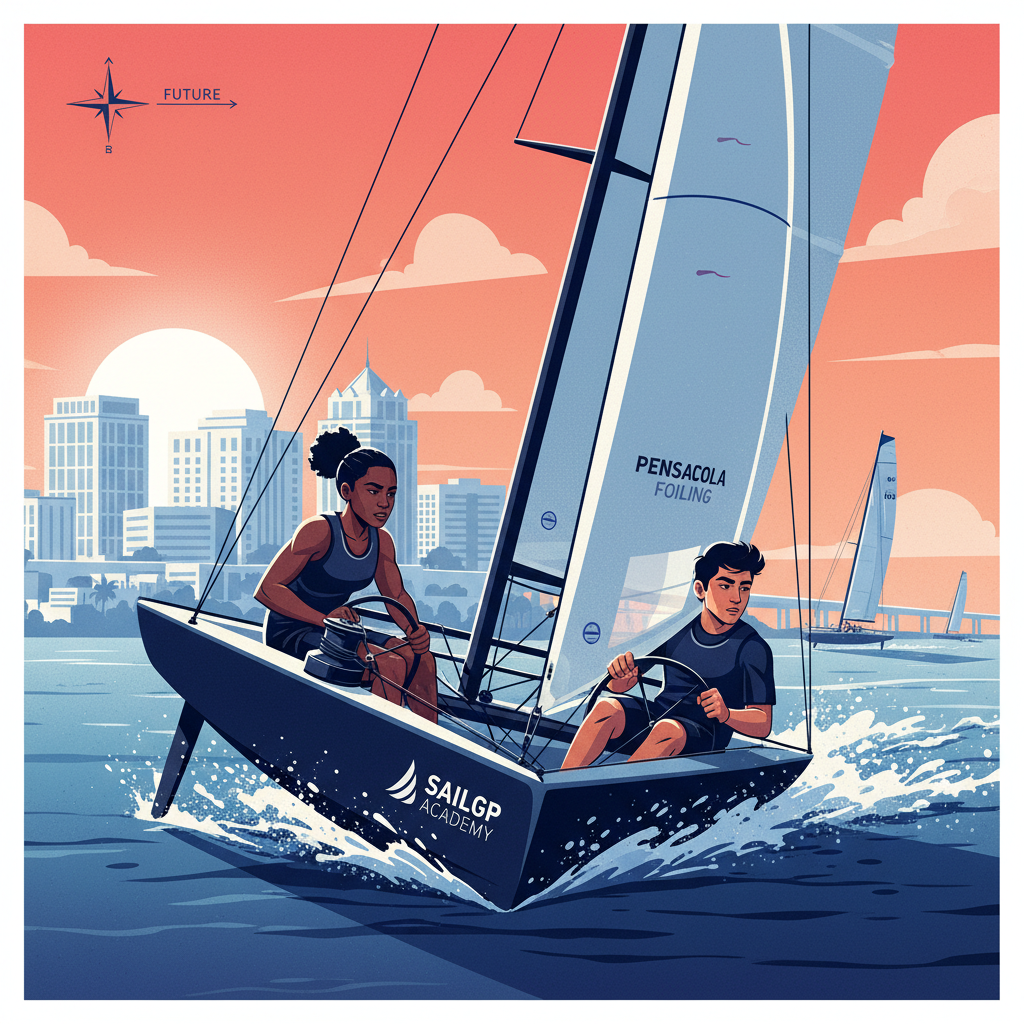
The news from Pensacola, Florida, suggesting a 'minor league' initiative, is a strategic masterstroke. The F50, with its wing sail and complex flight control systems, is a beast unlike any other. Training opportunities are scarce, and the jump from conventional grand prix circuits to the F50 is immense. A 25-to-30-foot foiling platform, based in the sheltered but challenging waters of Pensacola Bay, could be the proving ground these athletes desperately need.
This isn't just about 'upskilling'; it's about creating a dedicated pathway. We've seen the struggle, even for seasoned pros, to adapt to the F50's demands. Imagine a young helmsman, honed on these smaller foiling craft, learning the nuances of wind strategy and tidal gates at 40 knots, rather than 10. This initiative could be the breeding ground for the next Peter Burling or Tom Slingsby, ensuring the long-term viability and competitive depth of the league. It's a smart play, recognizing that even in a sport driven by $100M campaigns, talent development remains the ultimate currency.