The high-octane world of SailGP, with its blistering F50 catamarans, has always presented a unique paradox: unparalleled spectacle meets a dangerously shallow talent pool. The F50, a beast of carbon fiber and hydrofoils, demands a skillset so specialized it's almost alien to traditional sailing. Unlike the well-trodden paths from Optimists to Olympic classes, there's no clear progression to helming or wing-trimming these 50-knot rockets.
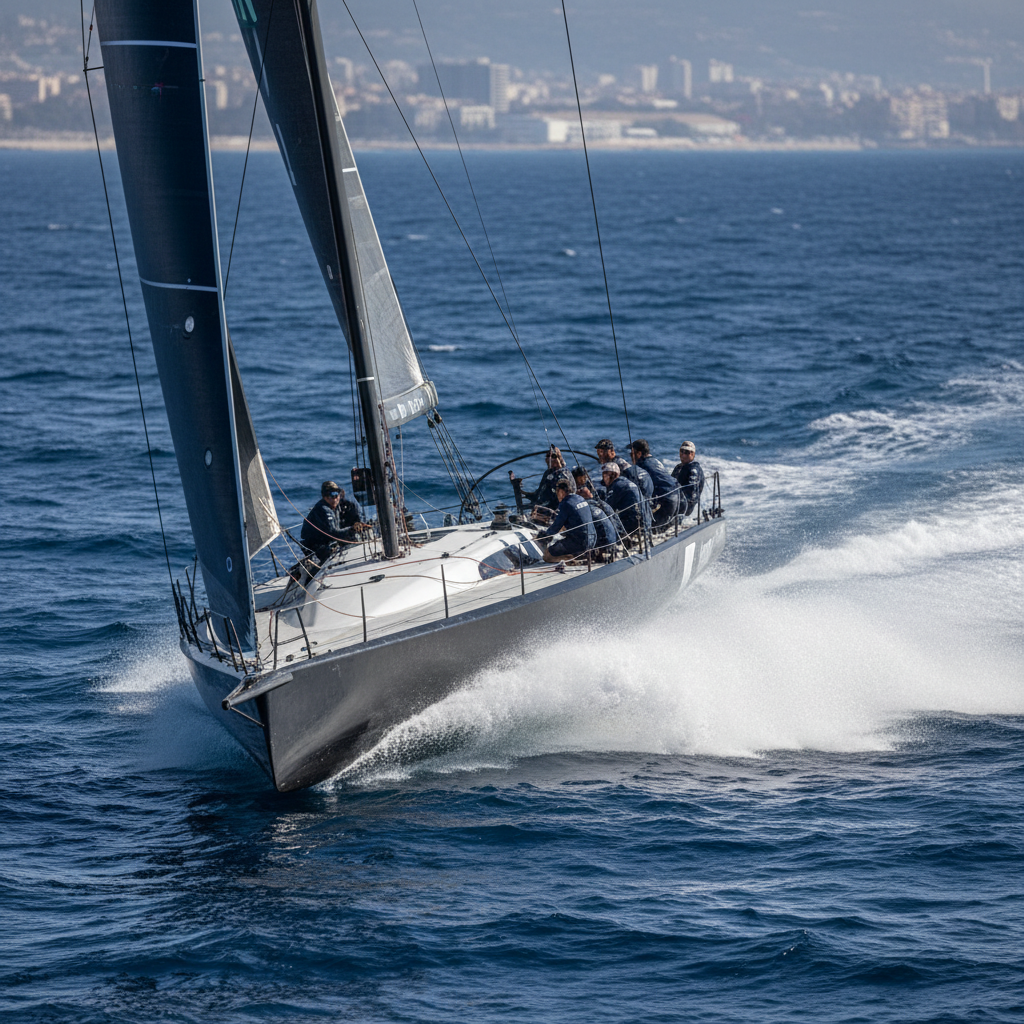
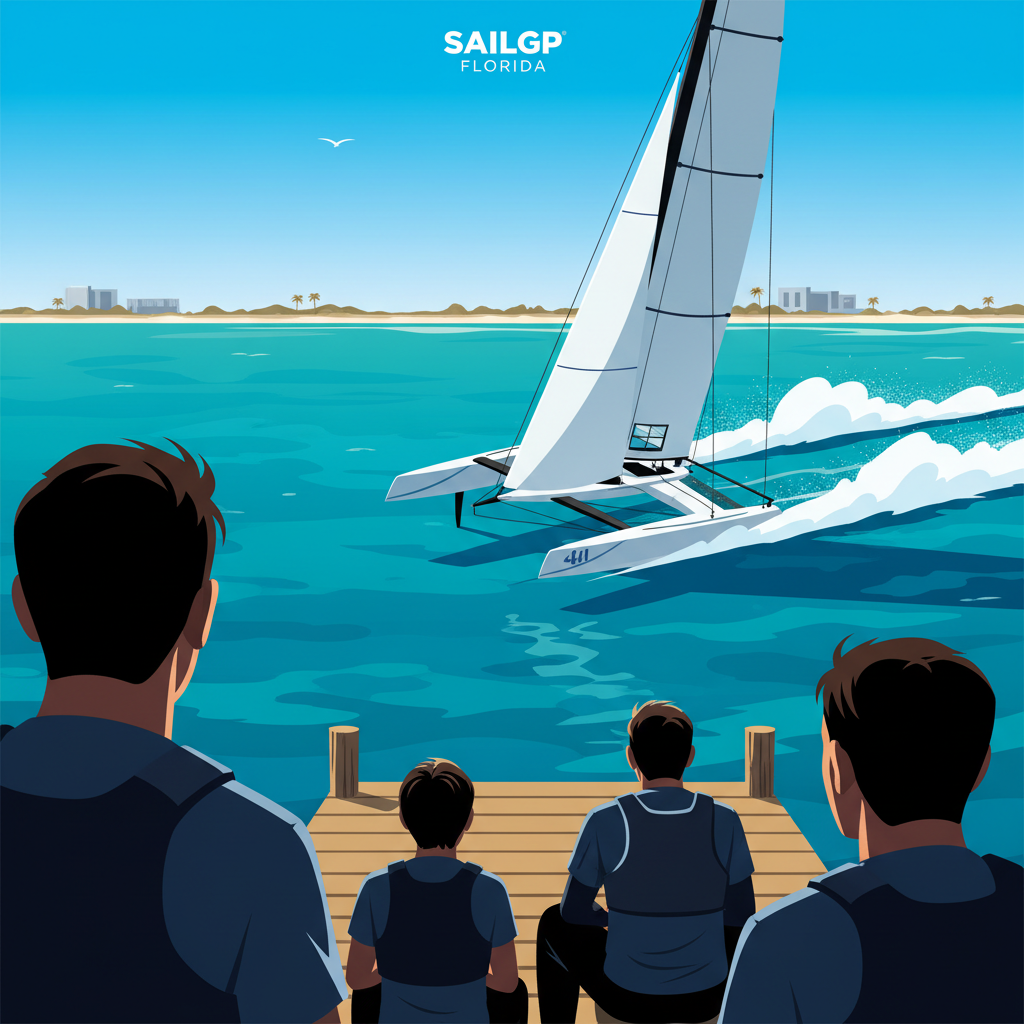
Now, whispers from the Pensacola News Journal suggest CEO Russell Coutts is looking to rectify this, with Pensacola, Florida, emerging as a potential hub for a SailGP 'minor league.' Imagine a fleet of 25-to-30-foot foiling machines, perhaps a scaled-down F50 or a high-performance monohull, serving as the proving ground. This isn't just about finding new talent; it's about *creating* it. The current F50 training base already established in Pensacola underscores the league's commitment to the region.
For a league built on speed and precision, the scarcity of F50-ready sailors is a genuine Achilles' heel. Teams like Emirates Team New Zealand and American Magic draw from a deep well of America's Cup and Olympic experience, but even they acknowledge the steep learning curve. A structured development pathway, akin to the feeder series in Formula 1, could be revolutionary. It would allow aspiring helmsmen and flight controllers to hone their reflexes, understand the nuanced dynamics of foiling, and master the high-stakes, close-quarters racing that defines SailGP, all before stepping onto an F50. This isn't just a smart move for SailGP; it's a vital investment in the future of foiling sports.