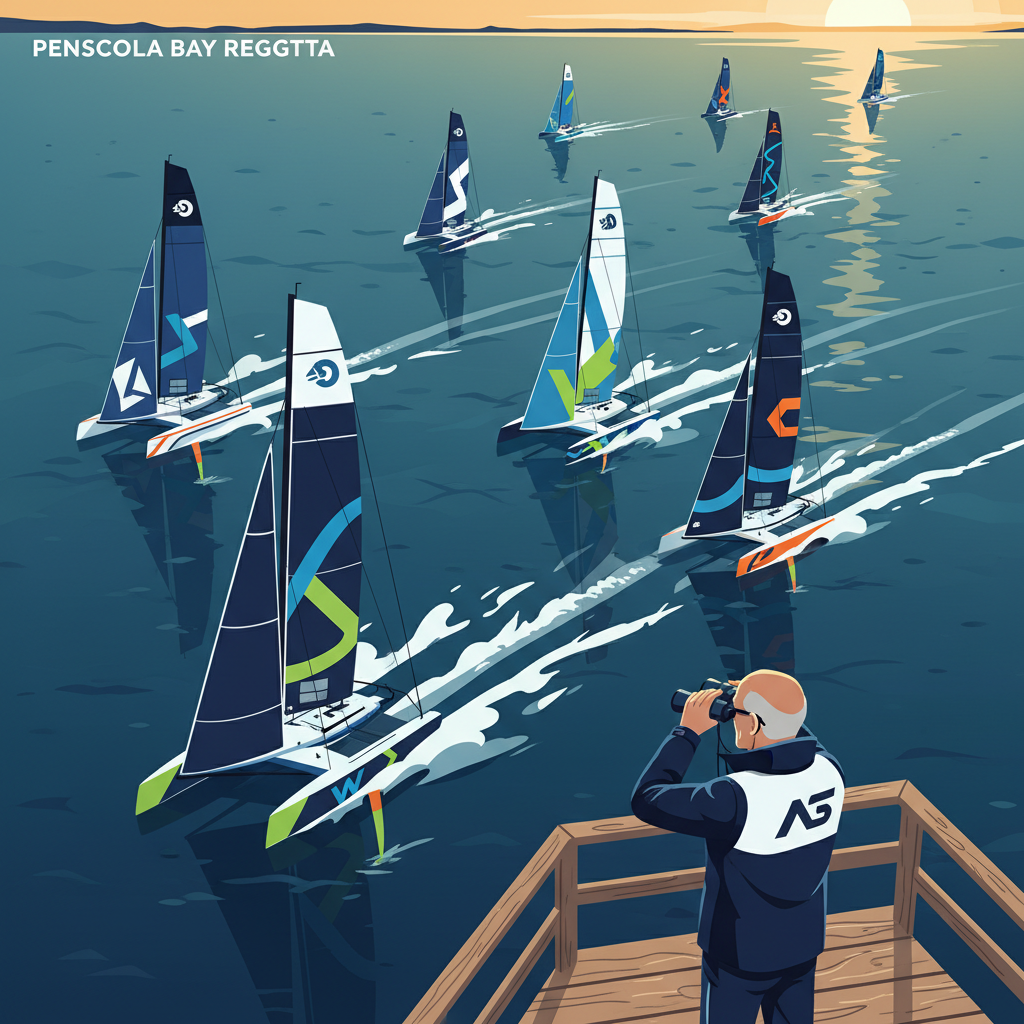
The rumor mill, often a more reliable barometer than a faulty anemometer, has been buzzing, and now it seems Russell Coutts himself is fanning the flames. The notion of a SailGP 'minor league' — a developmental feeder system for the F50 circuit — is gaining serious traction, with Pensacola, Florida, emerging as the likely proving ground. This isn't just a casual thought; it's a strategic imperative for the long-term health and competitive depth of the league.
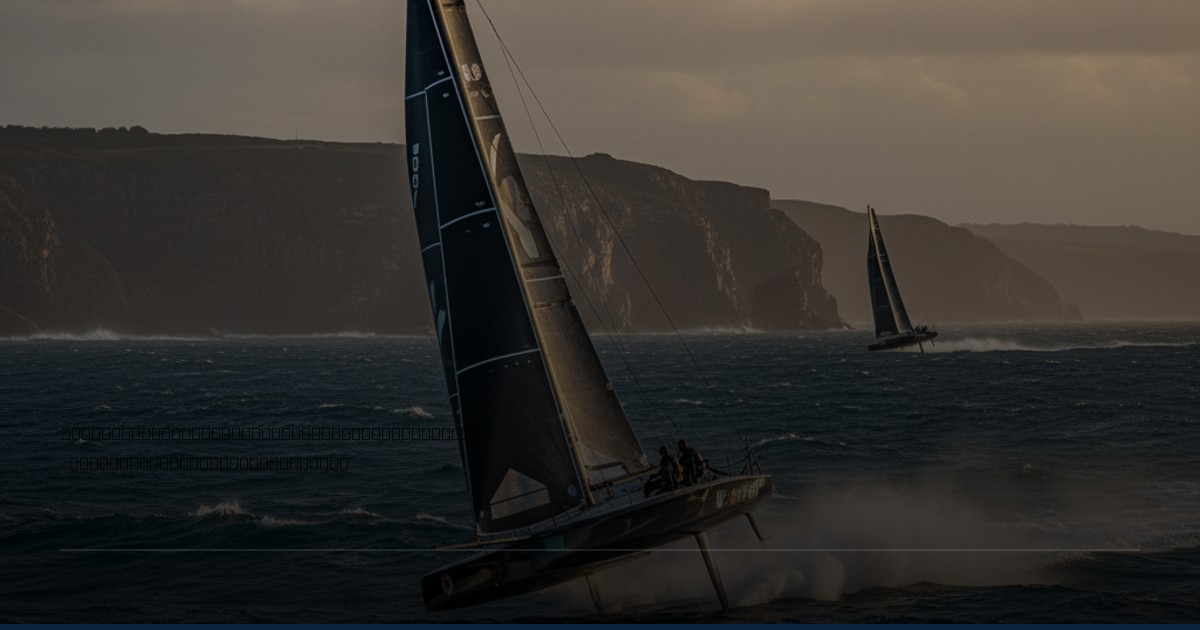
For anyone who's watched an F50 scream across the water at 50 knots, the challenge is obvious. These machines are unlike anything else afloat. They demand a unique blend of athleticism, tactical acuity, and an almost preternatural understanding of foiling dynamics. As Peter Burling and Tom Slingsby have repeatedly demonstrated, the margin for error is razor-thin. Upskilling new talent, or even transitioning established grand prix sailors, has been a significant hurdle. The current F50 training opportunities are, by necessity, limited and incredibly expensive, often reserved for the elite few already on the circuit.
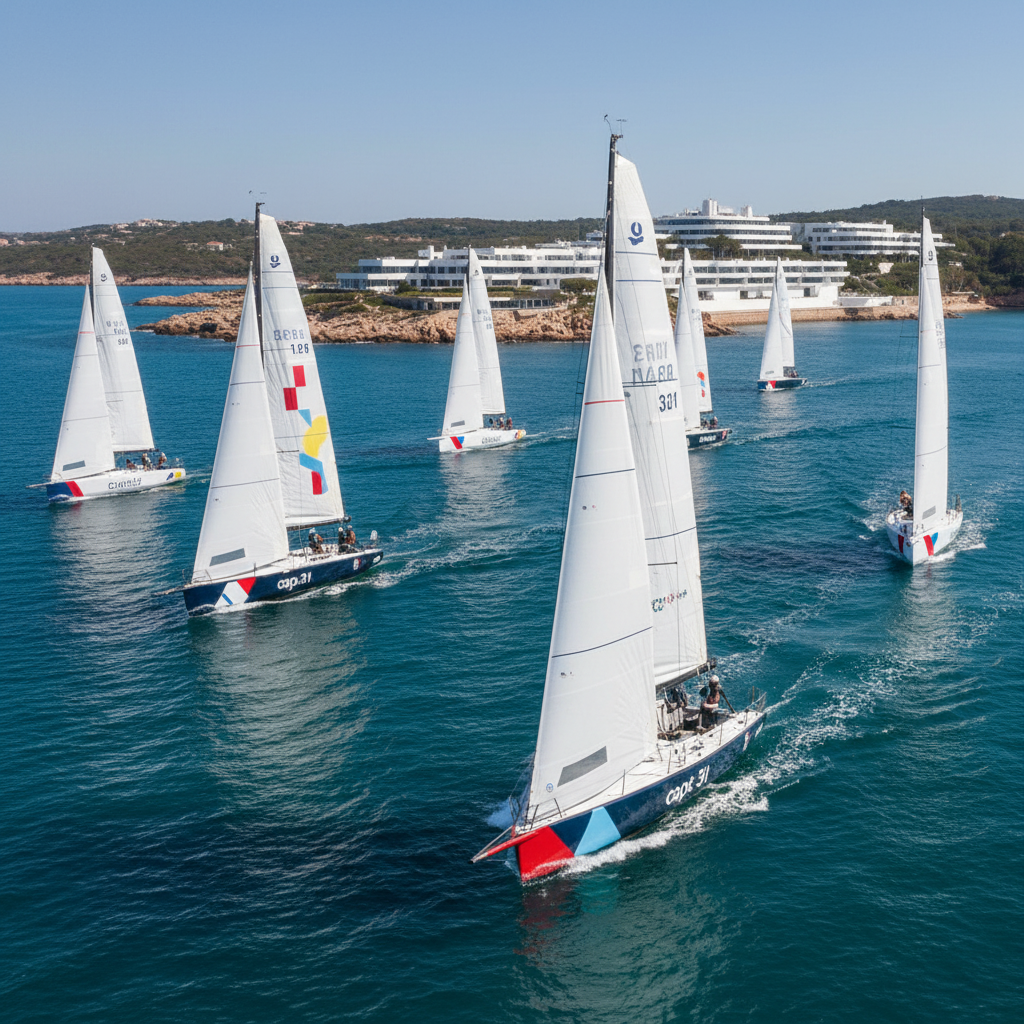
The proposed Pensacola initiative, featuring 25-30 foot foiling platforms, is a masterstroke. Imagine a structured pathway for young helmsmen and wing trimmers to hone their craft, learning the nuances of pitch, roll, and yaw control without the immediate pressure of a $10 million F50. This isn't just about boat handling; it's about developing the 'foiling brain' – that instinctive understanding of how to keep these beasts flying. It's about nurturing the next generation of Jimmy Spithills and Ben Ainslies, ensuring a robust talent pool that can eventually step onto the F50.
Pensacola, with its sheltered bay and consistent breezes, offers an ideal training environment. This move, if executed well, could transform SailGP from a high-octane spectacle into a sustainable, multi-tiered sporting league. It's an investment in the future, a recognition that even the most cutting-edge technology needs a human development pipeline. The America's Cup campaigns have always had their feeder systems, albeit informal. SailGP is now formalizing theirs, and the implications for competitive sailing are profound.