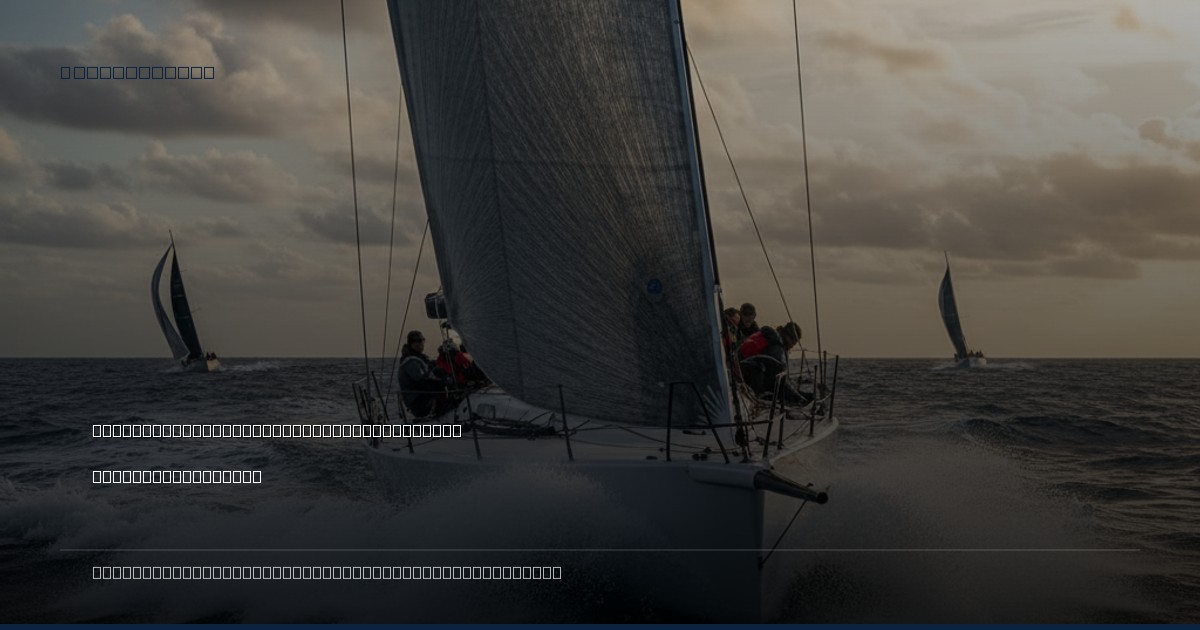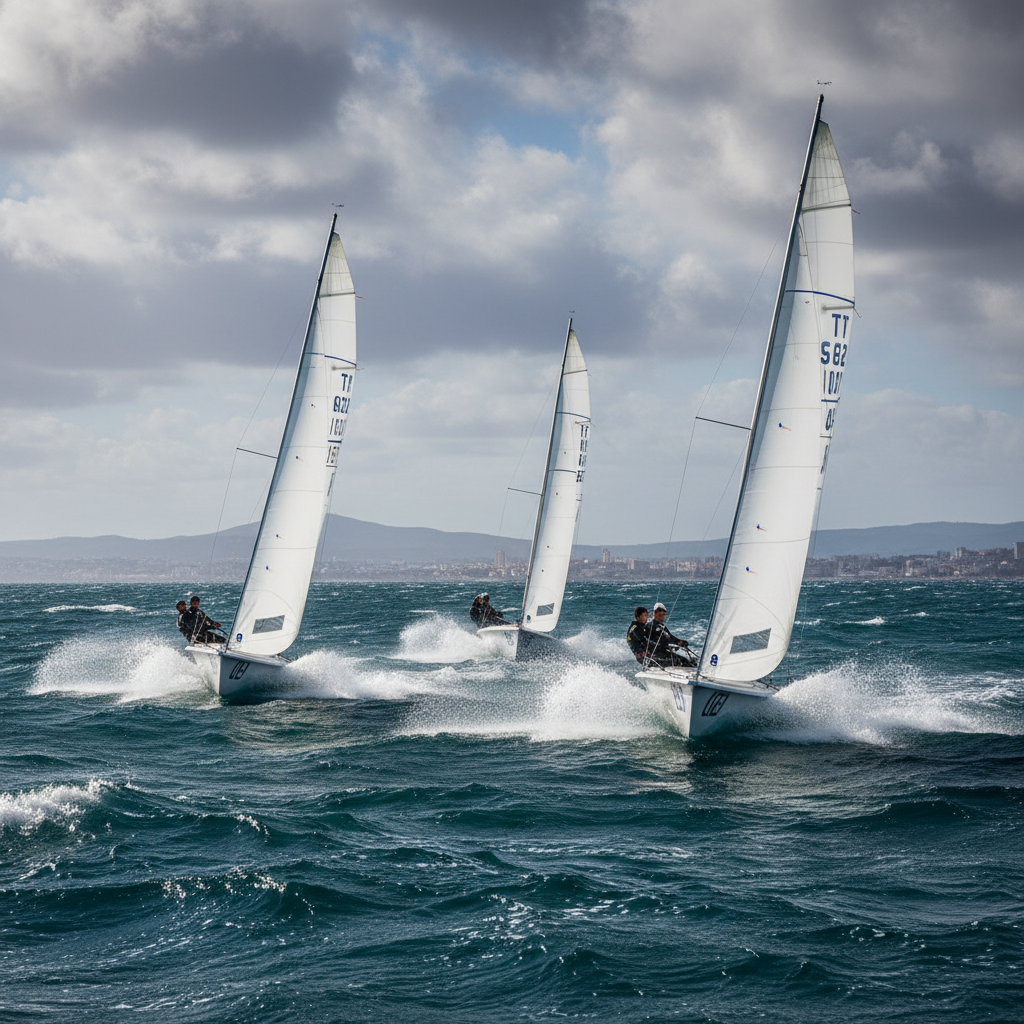
The opening salvo of the 55th Trofeo Princesa Sofia Mallorca by FERGUS hotels, a cornerstone event on the Olympic sailing calendar, proved to be a masterclass in meteorological unpredictability. While the sun-drenched Bay of Palma offered its usual stunning backdrop, the wind gods had a rather different agenda, throwing unexpected shifts at a fleet brimming with Olympic hopefuls.
For those of us who’ve spent decades deciphering the subtle nuances of coastal breezes, Palma’s reputation for a reliable sea breeze can be deceptive. Today was a stark reminder that even in seemingly benign conditions, the local topography and thermal effects can generate significant, often unforecasted, wind direction changes. This isn't just about raw boat speed; it's about the instantaneous read of the water, the quick decision to tack or gybe, and the courage to commit to a side of the course that might look less favored to the casual observer.
These early races aren't just about points; they're about psychological warfare and the ability to adapt. Sailors accustomed to the predictable, often wing-sail-driven, high-speed foiling of SailGP or the America's Cup might find the subtle, often excruciatingly slow, shifts in an ILCA or 470 race a different kind of pressure. The grand prix circuit, with its emphasis on meticulous weather routing and computational fluid dynamics, often minimizes these on-the-water surprises. Here, however, it's back to basics: the human eye, the feel of the tiller, and the gut instinct that separates champions from contenders.
As the week progresses, we’ll see which teams and individual sailors have truly mastered Palma’s fickle temperament. The Trofeo Princesa Sofia isn't just a regatta; it's a proving ground, a crucial barometer for Paris 2024, and today, it delivered a stern, yet spectacular, examination.