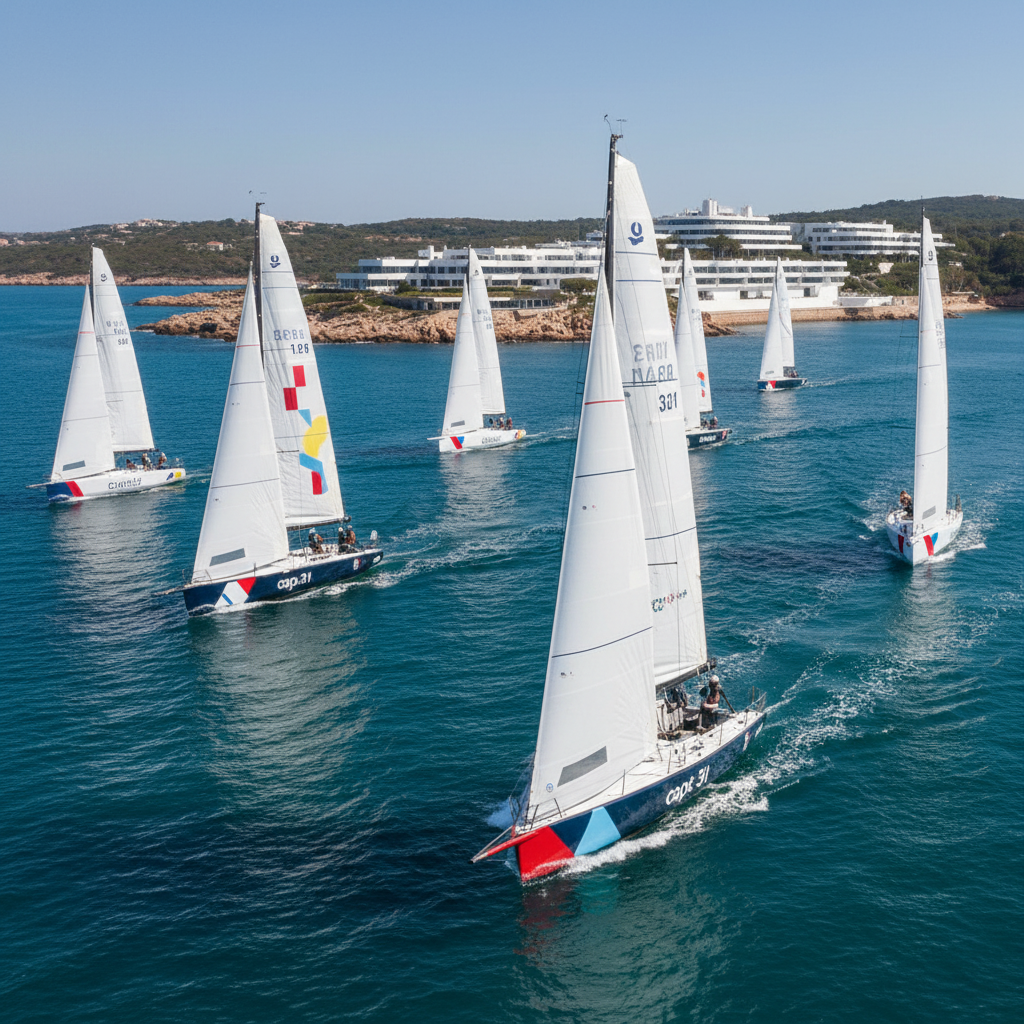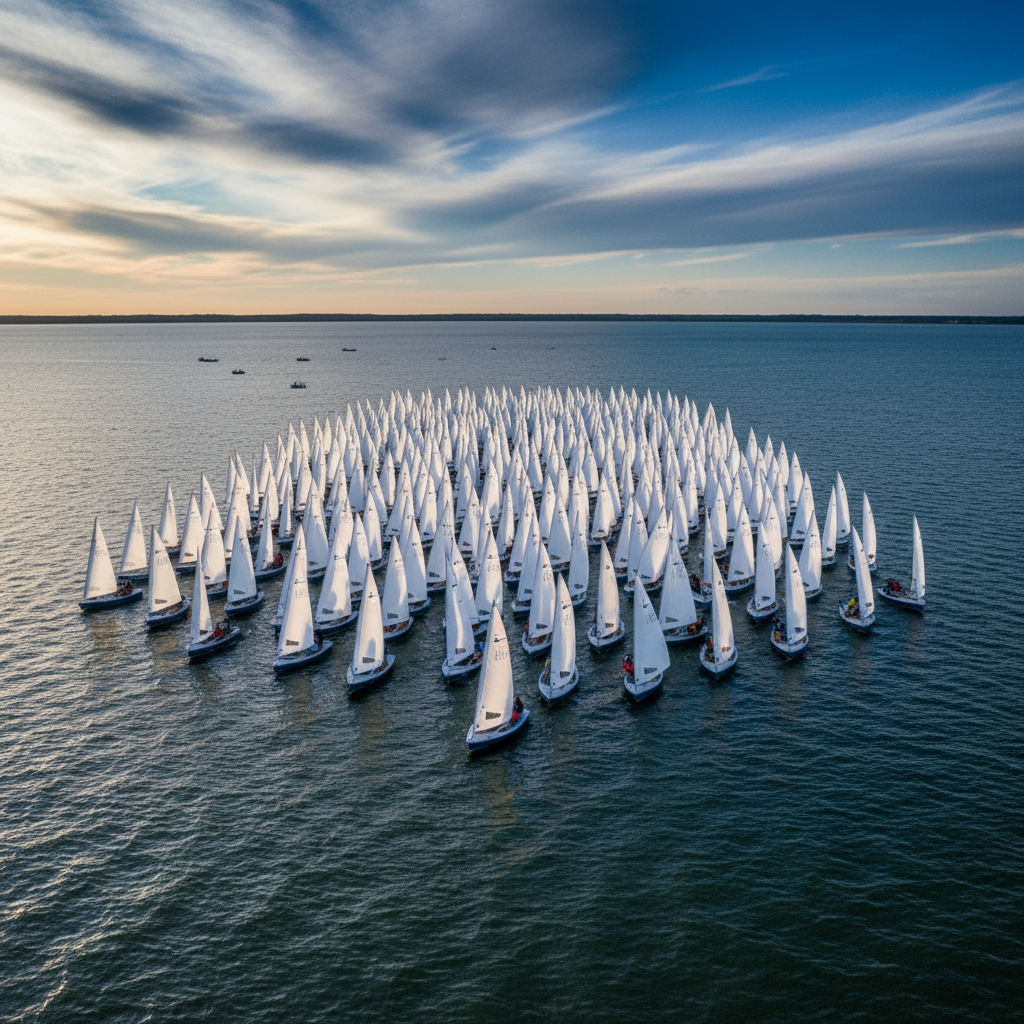
While the world's eyes remain fixated on the stratospheric speeds of SailGP's F50s and the meticulously engineered AC75s, a far more fundamental, yet equally intense, battle unfolded last weekend at Draycote Water. The IOCA UK Optimist Spring Championships, drawing a formidable fleet of 171 young helms from across the nation, served as a stark reminder that the bedrock of competitive sailing – from the America's Cup to Olympic glory – is laid in these formative years.
Hosted by Draycote Sailing Club, the event wasn't just a regatta; it was a crucible. For many of these budding sailors, navigating the shifty inland breezes and the cut-and-thrust of a 171-boat start line is their first taste of high-stakes competition. It's where the instincts for wind shifts, the art of close-quarters boat handling, and the relentless pursuit of speed are honed, long before they ever dream of a Southern Spars mast or a North Sails 3Di mainsail.
The Optimist, a deceptively simple craft, forces its young skipper to master the fundamentals. There are no Harken hydraulic systems or sophisticated foiling packages here; just a tiller, a mainsheet, and the raw power of the wind. The lessons learned – the importance of a clean tack, the ability to read the water, the grit to push through challenging conditions – are directly transferable to the high-performance machines of tomorrow. Indeed, many of the names we now celebrate – Peter Burling, Ben Ainslie, even Jimmy Spithill – cut their teeth in these very fleets.
As the dust settles on Draycote, the results, while important, are secondary to the experience. These championships are where future America's Cup tacticians are spotting their first wind lines, where potential Olympic medalists are perfecting their roll tacks, and where the next generation of The Ocean Race navigators are learning to keep their heads up. The future of competitive sailing, in all its high-tech, high-octane glory, begins right here.